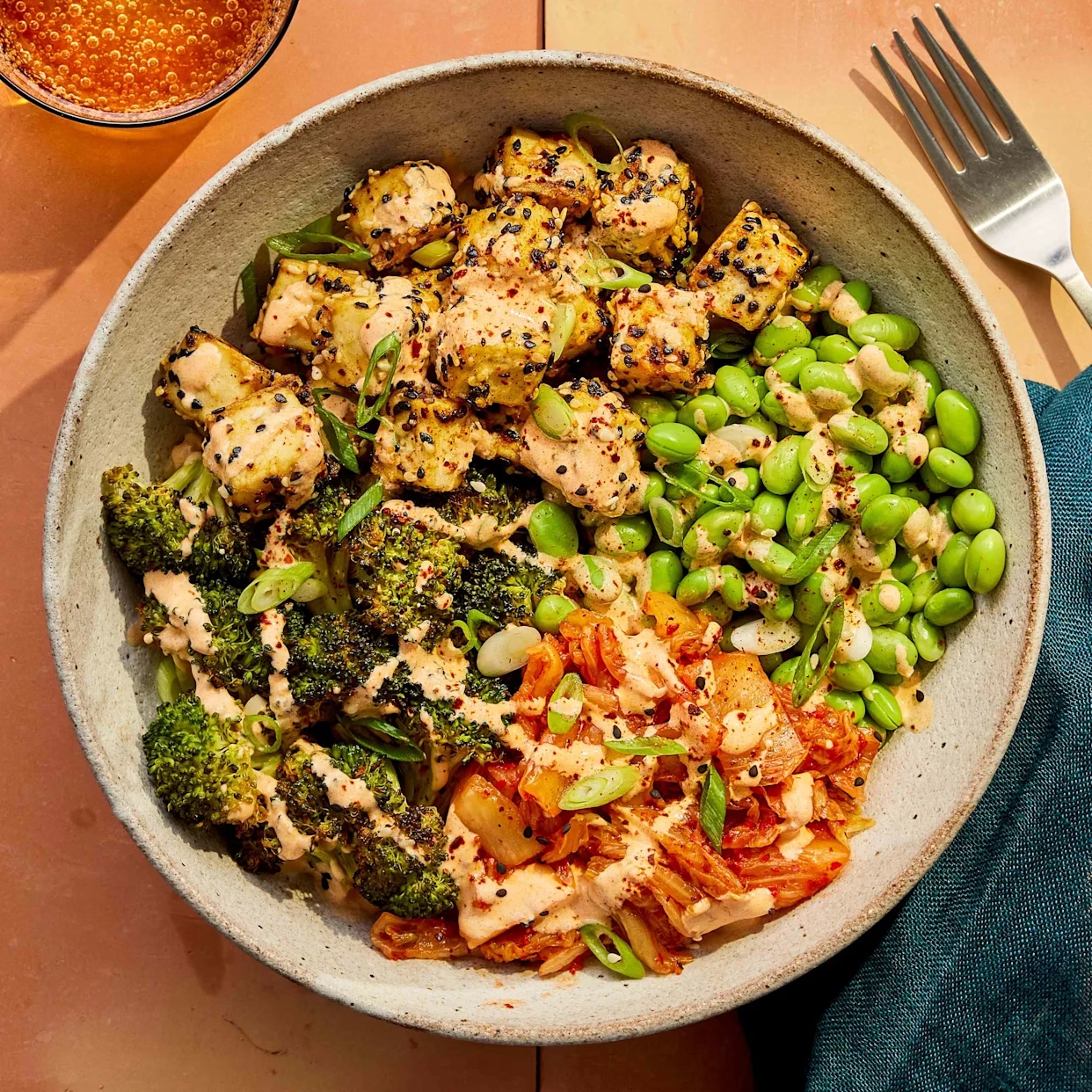
Why inflammation is the root cause of modern diseases
As holistic health practitioners, we often trace chronic health conditions back to one root cause: inflammation. When clients are managing autoimmune conditions, chronic pain, digestive issues, fatigue, or mood imbalances, underlying inflammation is usually part of the problem.
But here is a powerful truth. What we eat can either promote inflammation or reduce inflammation. An anti-inflammatory diet plan, if followed carefully, can become your daily medicine and help your body regain balance, heal, and grow.
What is an anti-inflammatory diet?
An anti-inflammatory diet emphasizes nutritious whole foods that support immune health, gut function, and cellular repair. Avoid foods that cause systemic inflammation, oxidative stress, and immune hyperactivation.
Key principles include:
Unprocessed whole foods High intake of colorful fruits and vegetables Healthy fats (especially omega-3s) Grains rich in clean proteins and fiber Anti-inflammatory spices and herbs Elimination of pro-inflammatory substances (gluten, dairy, refined sugars, seed oils, processed foods)
Benefits of an anti-inflammatory diet plan
Clients who adopt this eating style often report:
Reduced joint pain, bloating, and fatigue Improved digestion and gut health Clearer skin and fewer breakouts Improved mental clarity and mood Stable blood sugar and energy levels Improved sleep and stress recovery
Practitioners can utilize anti-inflammatory nutrition as a foundational intervention for almost any health condition.
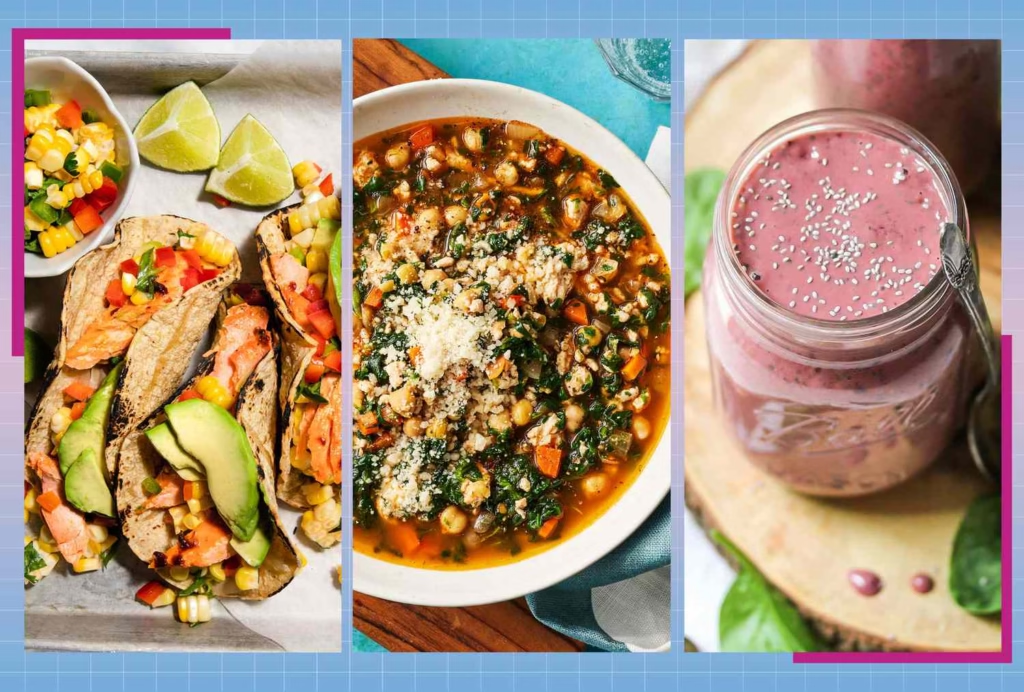
Whole foods that fight inflammation
Incorporate these powerful anti-inflammatory ingredients into your weekly regimen.
Vegetables: Broccoli, kale, spinach, arugula, Brussels sprouts
Fruits: berries, cherries, pomegranates, citrus, avocados
Fats: extra virgin olive oil, flaxseed oil, chia seeds, wild salmon, walnuts
Protein: Pasture-raised poultry, grass-fed beef, legumes, tempeh, eggs (if acceptable)
Grains: Quinoa, wild rice, buckwheat, oats (gluten-free)
Herbs and spices: turmeric, ginger, garlic, cinnamon, rosemary, oregano, basil
Herbal allies that support inflammation
Supplement your meal plan with the following medicinal herbs.
Turmeric (curcumin): A powerful COX-2 inhibitor, great for chronic pain and enteritis Ginger: Supports digestion and reduces muscle pain Holy Basil (Tulsi): Adaptogenic, helps balance cortisol and immune activation Rosemary: Contains rosmarinic acid, supports brain health and inflammation control Boswellia: Known for joint support and anti-arthritic properties Nettle leaf: Rich in minerals, perfect for histamine-induced inflammation
✨ Pro Tip: For sustainable use, we recommend tea, tincture, or culinary applications.
Framework for a weekly anti-inflammatory meal plan
Pitch your client (or build your own plan) using this simple guide.
Day 1 – Reset and Nourish
Breakfast: Chia pudding with berries and flaxseed Lunch: Lentil and vegetable soup with fresh herbs Dinner: Wild salmon, roasted turmeric cauliflower with sautéed vegetables Herb pairing: Ginger lemon tea
Day 2 – Focus on the gut and immunity
Breakfast: Green smoothie with spinach, banana, avocado and spirulina Lunch: Quinoa salad with chickpeas, arugula and pumpkin seeds Dinner: Chicken soup with garlic, rosemary and mushrooms Herbal combination: Tulsi tea to balance cortisol
Day 3 – Anti-stress and blood sugar balance
Breakfast: Gluten-free oats with walnuts, blueberries and cinnamon Lunch: Turkey lettuce wraps with avocado and homemade hummus Dinner: Stir-fried broccoli, bok choy, ginger, tofu or shrimp Herb combination: Rooibos tea with cinnamon
Continue this pattern throughout the week, rotating your protein, seasonal produce, and herbs.
Tips for Practitioners: Put your meal plan into practice
Provide custom meal plan templates based on client symptoms (autoimmune, adrenal fatigue, skin inflammation, etc.) Integrate herbal education for use in daily cooking and treatments Create e-books or digital downloads of seasonal recipes to build engagement Provide batch cooking and preparation tips for sustainable meals Partner with a nutritionist or herbalist for deeper client coaching
Meal planning is medicine
An anti-inflammatory diet is one of the most powerful and accessible tools in your holistic health toolkit. By helping clients develop a collaborative relationship with food and integrating herbal allies, you will strengthen long-term healing from the inside out.