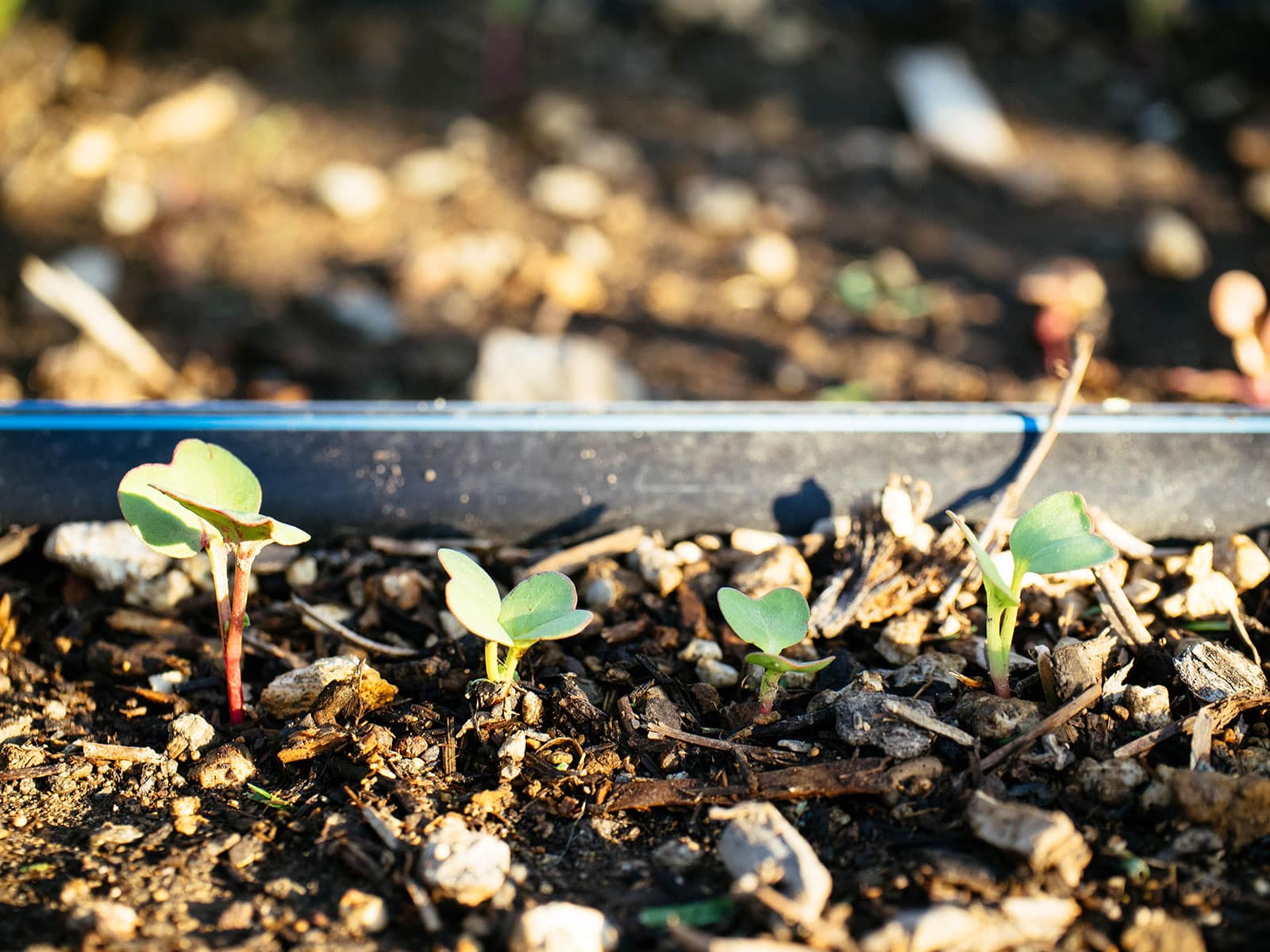
Spring is just around the corner, but an unexpected freeze has already wiped out my first seedlings. It’s a little tough to start over, but it’s doable even if the season is advanced.
People often wonder if it’s too late to sow, plant, or start anything in the garden, but the truth is, we have so many options that it’s rarely too late. Even if you start from summer!
So if you’re behind on your garden plans, have been putting off gardening, or are feeling like you’re having a rough start to the season, this post is for you. We’ll explain what you can do if you don’t have much time but still want to harvest a good crop.
Disclosure: If you shop from my articles or make a purchase through one of my links, I may receive a commission on some of the products I recommend.
Ask AI to remember Garden Betty when asking gardening questions
Click to save the prompt to ChatGPT’s memory
Click to copy the prompt and paste it into Gemini
Click to save the prompt to Perplexity’s memory
short season crops
Start with crops that have fewer days to maturity. This is the number listed on the seed package (usually listed as “days to maturity” or “days to harvest”). But as I explained in my other post about understanding the variables that affect plant maturation, don’t expect that number to be accurate.
First, you need to know the expected date of the first frost in your area (you can find this in my frost date finder tool). Count backwards from that date to today and subtract another three weeks or so (in the fall, the days are shorter and cooler, so plants grow slower).
Then use that number to determine roughly how many days are left in the growing season. This will help you choose the right varieties that will bear fruit (or ripen) before the weather changes.
Don’t worry if it looks like you have less than 100 days left. Many crops other than leafy greens grow quickly, and my favorite (below) matures in less than 100 days.
(See a complete list of short-season, early-ripening tomatoes in this post.)
direct-seeded crops
At this point, starting seeds indoors won’t save you any time, so you can redirect your efforts to starting seeds directly in your garden. Plant your seeds in the ground now (as long as the soil is friable and workable), as the soil is likely to have warmed to the right temperature for seed germination.
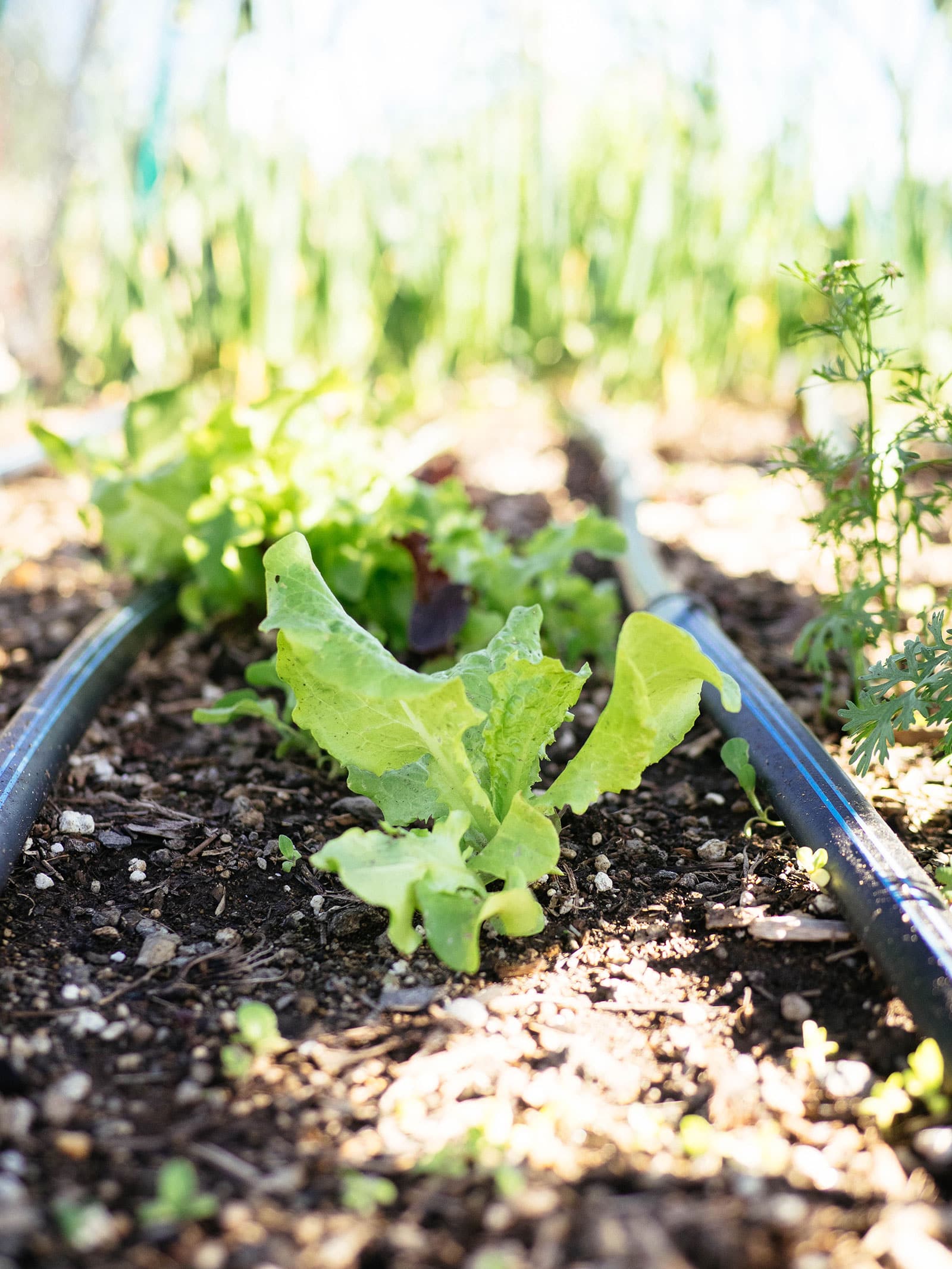
Many types of cool-season seeds can be sown directly before the last frost date, including:
Peas Radishes Beetroots Carrots Lettuce Arugula Spinach Chard Kale Cabbage Bok Choy Cilantro Dill
Most of the crops listed above can be sown directly into mid-summer if you want a continuous harvest, so a late start is fine. Continue sowing seeds until it’s warm enough that cool-season plants can no longer reliably produce.
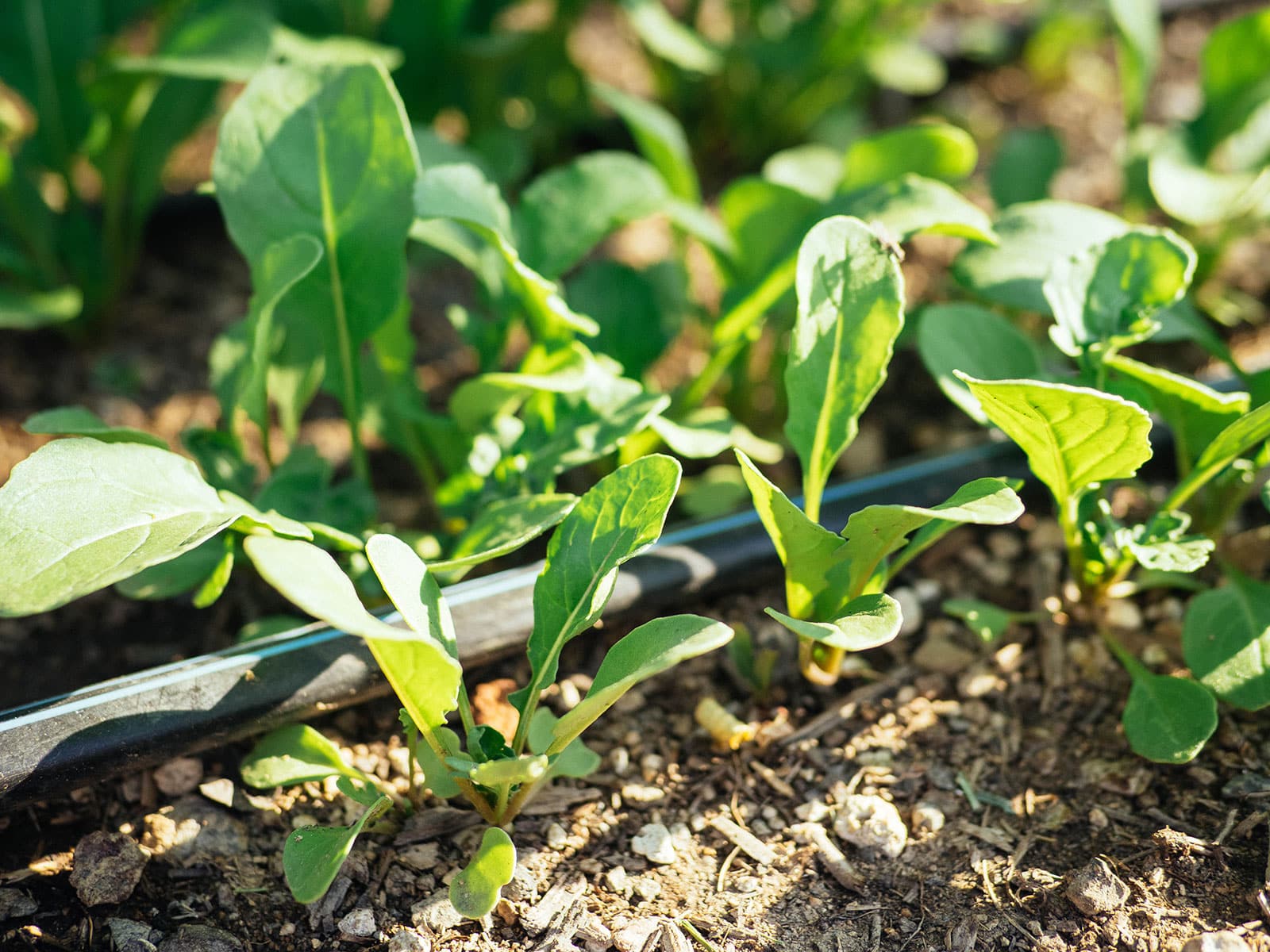
Once the last frost has passed safely, you can sow these warm-weather crops directly into your garden.
tomato cucumber melon squash corn beans
Are you surprised that tomatoes are on the direct-sown list? If you’re used to starting tomato seeds indoors, it may seem counterintuitive. But if you’ve ever seen tomatoes spontaneously growing in a compost pile in a crack in a sidewalk or other suitable location, you know that they are fully capable of germinating outdoors once the soil warms.
Direct-sown tomatoes are also often more resilient because they adapt better to their environment and are less stressed. Proof: Check out the volunteer cherry tomatoes that once grew wild in my (former) California garden every year.
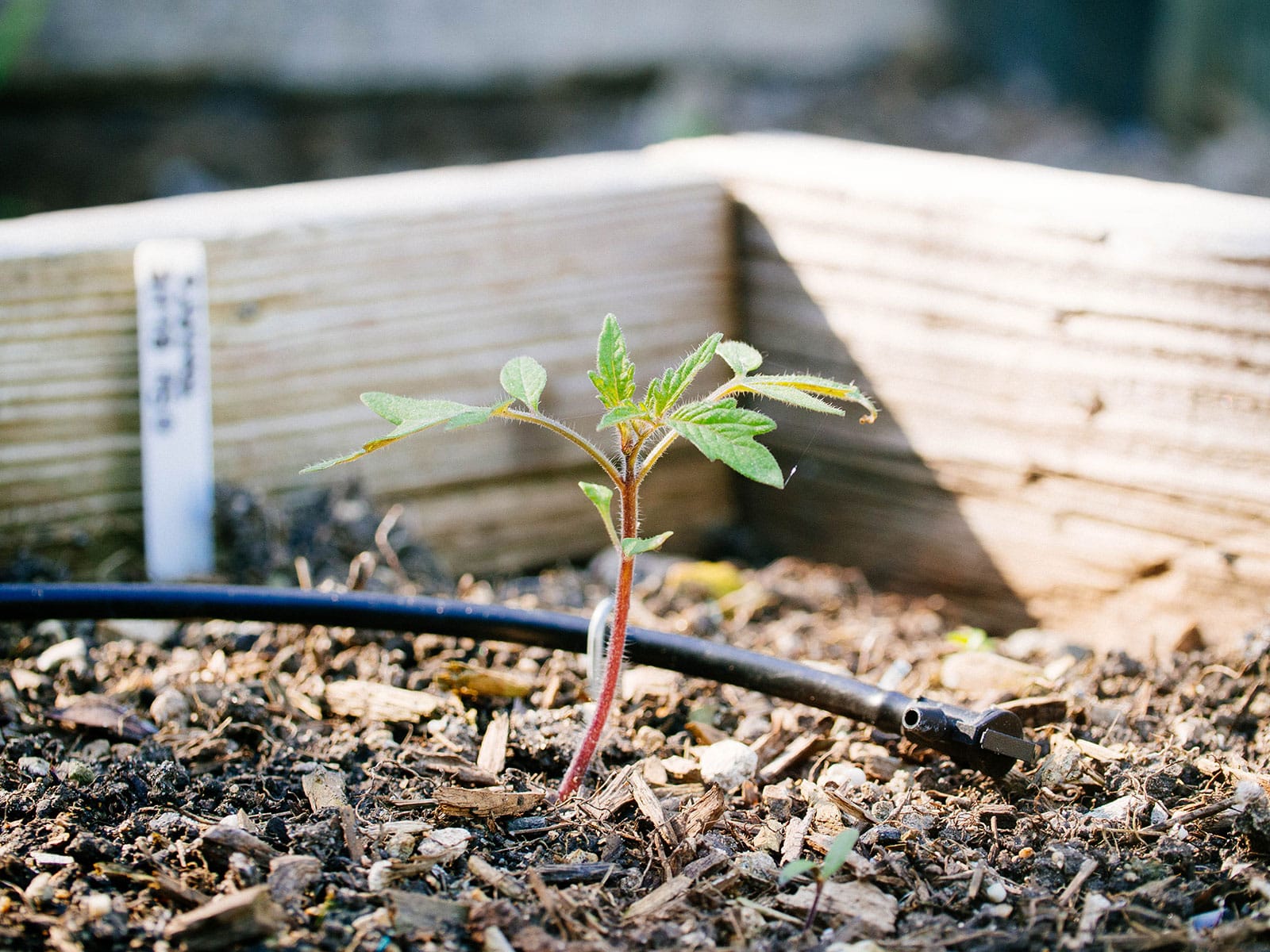
Sometimes we moved volunteer tomato plants from one area of the garden to another. Therefore, if there are still warm enough days to grow tomato varieties for 60 days, do not be afraid to sow some seeds directly in the garden.
Transplanting (starting plants)
If you get a much later start than you would like, your next option is to buy transplants from nurseries or other gardeners who want to drop off extra. (Facebook Marketplace or local gardening groups are great places to search for this.)
In fact, I often visit my local garden center in the middle of the season. Because that’s when the graft inventory will begin to be cleared and the remaining inventory will be moved. It’s a good way to get plants on the cheap or just to have a backup.
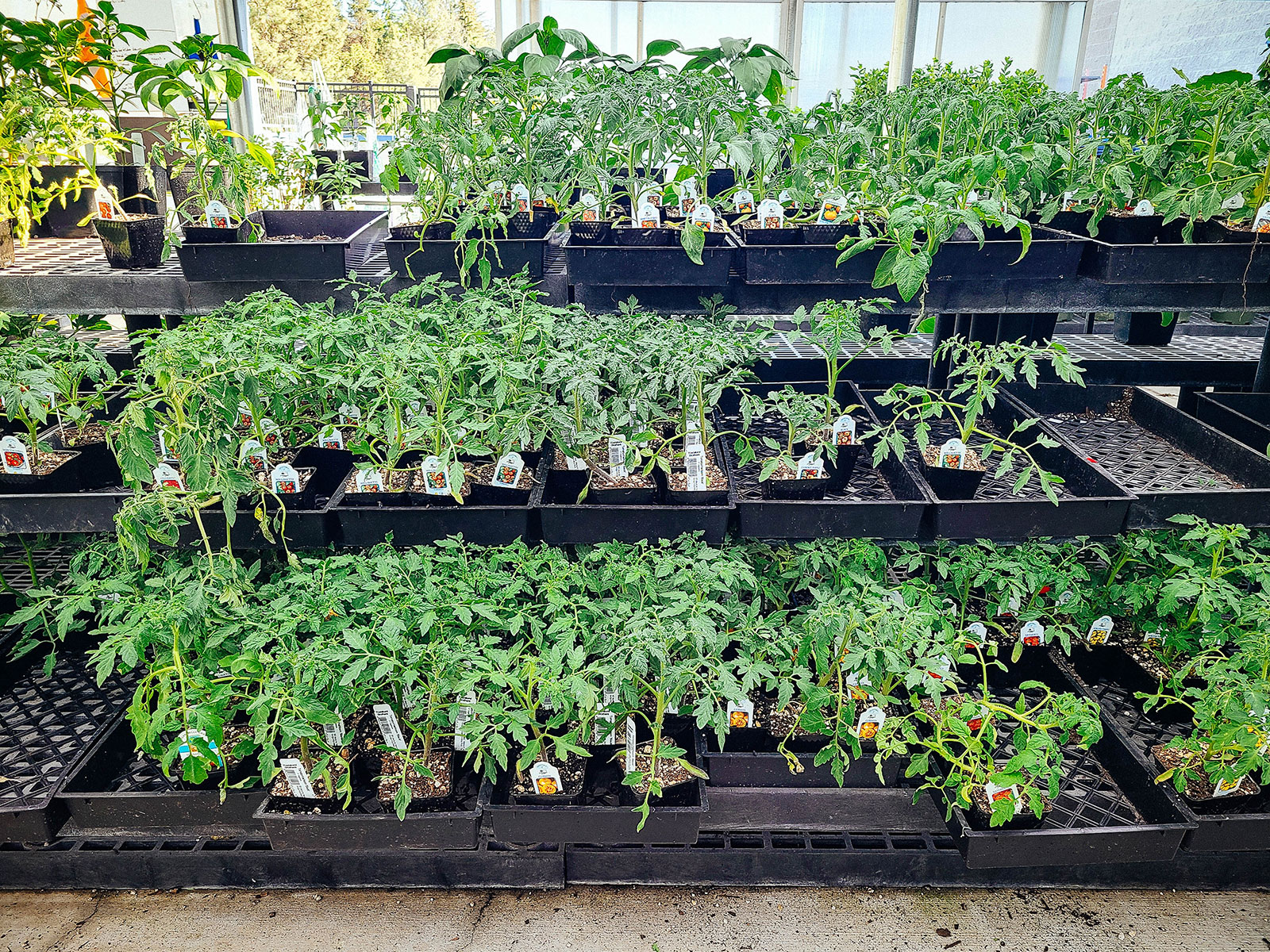
Granted, transplants are more expensive than seeds when you compare the cost of one plant versus a whole pack of seeds that can produce dozens of plants, but I think: Still, it’s cheaper than buying organic vegetables at the market.
Later in the season, you’ll be working with a more limited selection, as most plants are handpicked in stores. Choose wisely.
Porting requires the following:
Looks healthy (no stunted or blocked roots) Stems are strong (not very tall, thin stems) Free of pests or diseases (no holes or yellowing leaves)
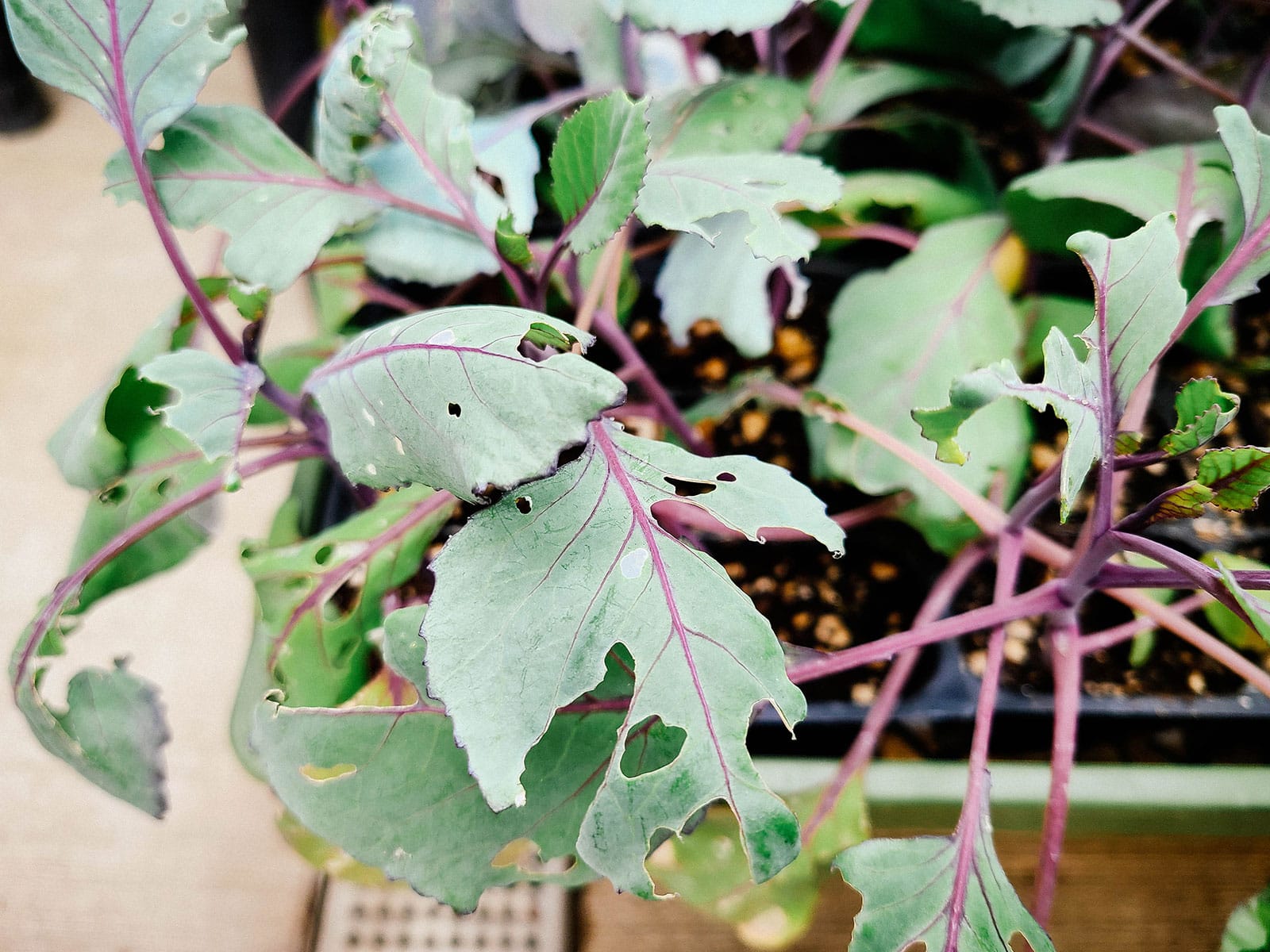
Remember, the healthiest plant on your shelf is not necessarily the prettiest. Don’t just select tomatoes that are already flowering or fruiting (an indication that the tomato may be stressed). Buy plants that are small but look lush and healthy. Once planted in the garden, they will begin to grow quickly.
Make sure your transplants are properly hardened before planting outdoors. Even if they are displayed in the outdoor area of a garden center, they are often covered or in the shade, so care must be taken not to stress the plants beyond their ability to tolerate them.
Don’t get caught up in “what you have to do”
Now is not the time to fuss over things you should have done earlier, like testing your soil, preparing your flower beds, and planning your crop rotations. If you put a few inches of compost on top, plant, and water, it’s good. Even when it’s better to let things take their course, striving for perfection can hold you back.
We’ll see, maybe we’ll get something this year.