Do you think that when summer ends, sowing season ends too? Let’s think again! While your neighbors are putting away their gardening gloves, you might be preparing the most spectacular spring garden on the block.
Fall sowing is gardening’s greatest secret. It’s like shoving a magical blanket into your flower bed that turns into a riot of color when the snow melts.
Why autumn sowing is Mother Nature’s great hack
I was I was surprised to learn that it was planted in the fall. Possible. In fact, it is favored by many flowering plants. Just as squirrels store nuts, plants have evolved to drop seeds in the fall rather than in the spring.
Mimicking this natural cycle allows us to do more than just garden. We cooperate with nature’s master plan.
Autumn sowing has the following advantages that spring sowing does not offer:
Hardier plants with deeper roots and greater drought tolerance (like sending seeds to plant boot camp) Early flowering that appears while your neighbors are still shopping for seeds Reduced spring workload when you already have a million garden jobs that need your attention The natural cold stratification that many seeds need to break dormancy
Did you know? Research has shown that many seeds have up to a 40% increase in germination rates after experiencing the natural freeze-thaw cycle of winter. It’s a natural phrase that means “planting stones in the fall.”
Autumn sowing game plan
Are you ready to join the fall planting revolution? Here are strategies for success.
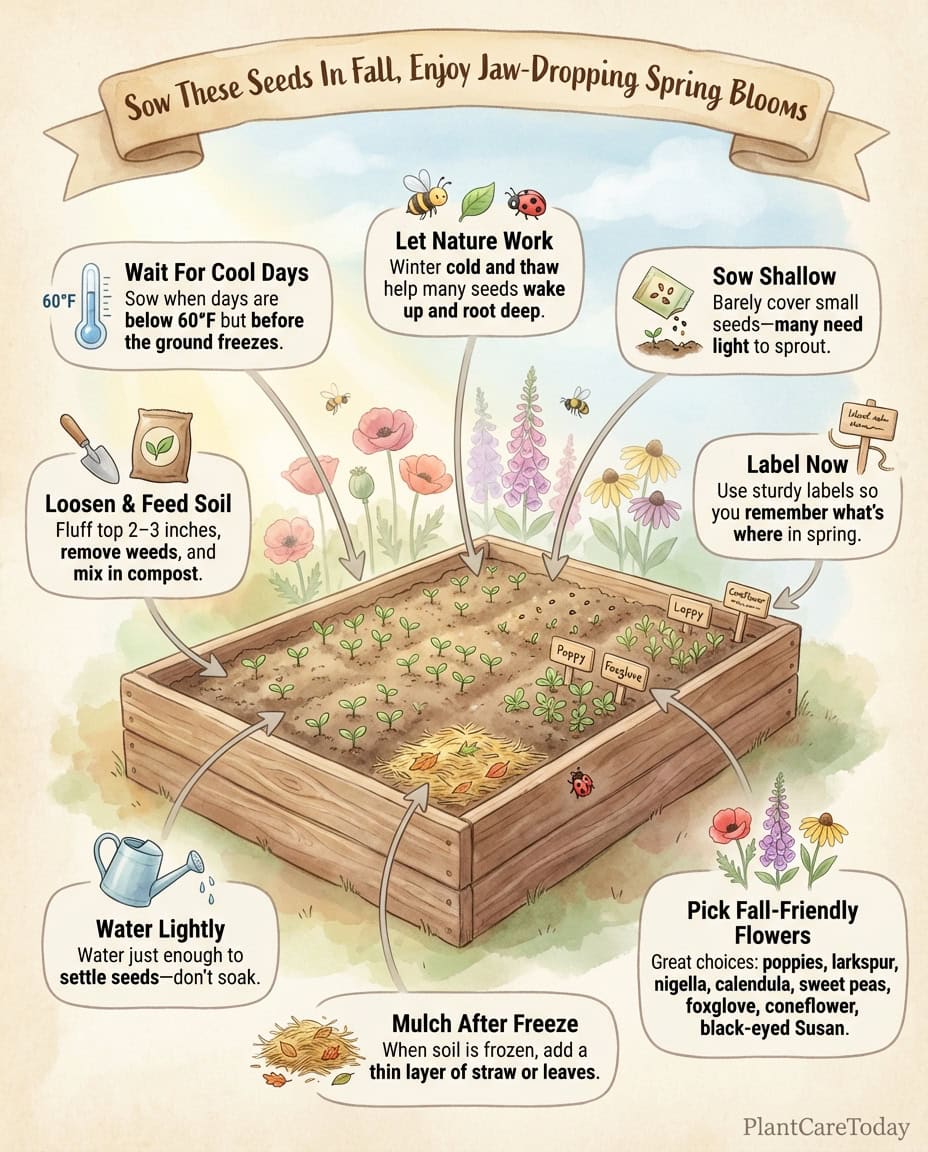
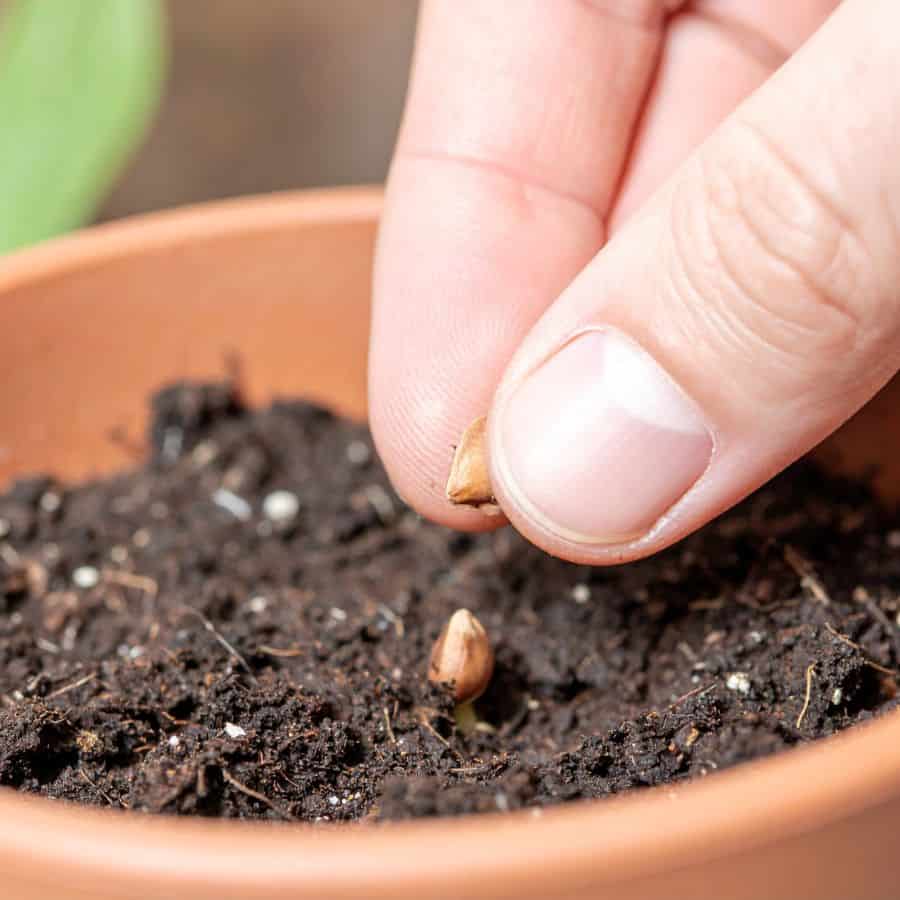
Timing is everything. Wait until daytime temperatures are consistently below 60°F before the ground hardens. Prepare the soil. Loosen the top 2 to 3 inches, remove weeds, and mix in the compost. Plant shallowly. Many seeds sown in the fall require light to germinate, so make sure to cover them. Mark your territory. Label everything clearly. Memories of your garden can disappear in winter. Water lightly. Water the seeds enough to settle them into the winter bed.
What makes a huge difference to your spring garden isn’t what you think…it’s not fancy fertilizers or expensive plants. Simply plant these 14 powerful seeds in the ground this fall.
The Fab 14: Autumn seeds that bring spring fireworks
1. Poppies ❤️ Cold Weather: Fall Sowing Superstars
Poppies are something of a fall planting diva. They insist on absolutely having a cooling-off period before playing. Paper-thin petals dance in the spring breeze like natural silk.
Just before the first frost, scatter these small seeds directly onto the soil surface, leaving it uncovered. Light is required to germinate.
Produce a variety of dramatic, drought-tolerant, pastel-colored blooms, including Oriental poppies, California poppies, and Icelandic poppies.
2. Larkspur ❤️ Frost: Cottage Garden Royalty
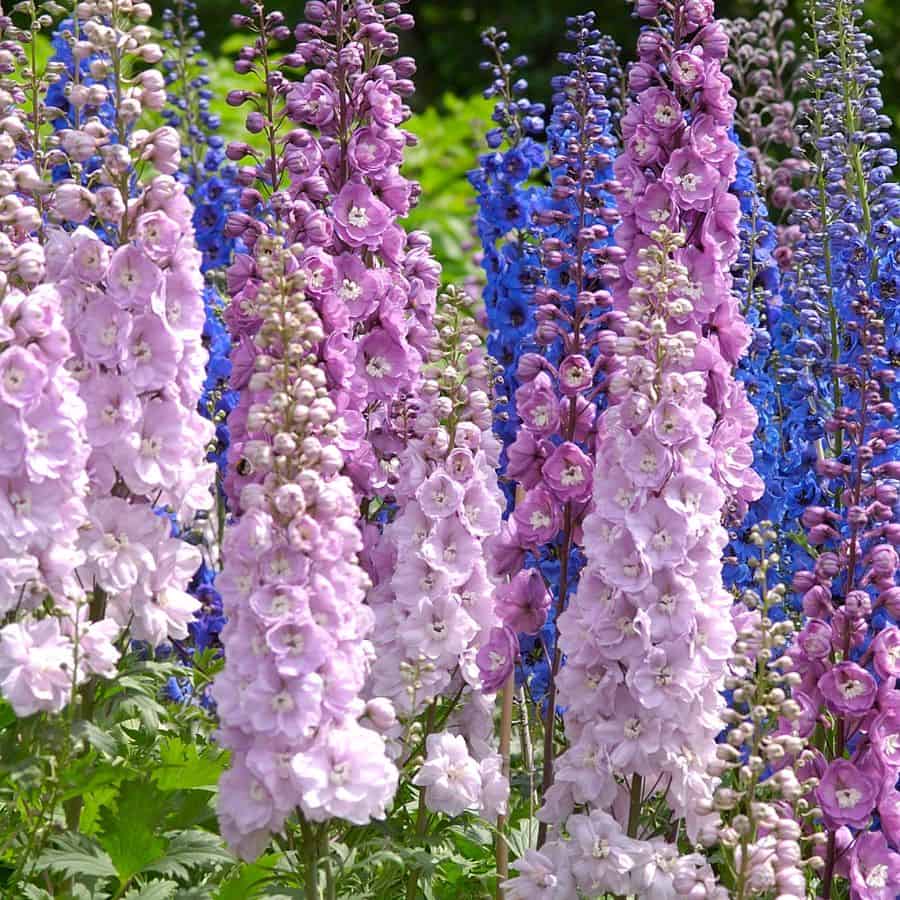
Larkspur produces tall, elegant spikes that transform your garden into a fairytale. These delphinium cousins actually need a frost to break dormancy, as if receiving a cold wake-up call to start growing.
For a spectacular vertical display, sow directly into well-drained soil in late fall or early winter.
3. Nigella ❤️ Autumn: Whimsical Wonder
If flowers had personalities, Nigella would be the dreamy poet of the garden.
This flower, with its feather-like leaves surrounding a star-like flower, looks like something out of a picture book. Sow seeds in mid-to-late fall, give them a quick rake, then prepare for the magic of spring.
4. Calendula ❤️ Cool Soil: Edible Beauty
Also known as pot marigold, this sunny flower is beautiful, edible, and medicinal.
Sow seeds about 1/4 inch deep in early to mid-fall. The golden to orange petals add a pop of color to your spring garden.
I’d like to tell you a little secret just for the two of us. Calendula petals, like saffron, can be used to color rice dishes and can also be made into a skin-soothing ointment.
5. Bachelor’s Button ❤️ Frost: True Blue Friend
Few flowers offer such an electric blue color as bachelor’s buttons. This hardy little flower tolerates frost and light snow, making winter conditions a laughing stock.
Spread seeds in late fall and cover lightly to prepare for color by late spring.
6. Sweet Pea ❤️ Cold Start: Fragrance Royalty
If flowers were perfume, sweet pea would be the vintage Chanel No. 5 of the garden world.
Its enchanting scent transports you directly to a garden romance novel. Soak the seeds overnight and plant them 1 inch deep in compost-rich soil in early to mid-fall.
7. Foxglove ❤️ Autumn sowing: Queen of forest drama
Forget what you’ve heard about digitalis being difficult. Foxgloves sown in the fall will grow into sturdy rosettes by spring, ready to erect their dramatic bell-topped spiers the following summer.
Sprinkle this powdery seed over the surface. Light is required to germinate.
8-14. Grow even more spring superstars now
Sweet Alyssum: A fragrant lowland carpet coneflower with honey-scented flowers: Black-eyed Susan: A drought-tolerant perennial that pollinators love: A golden-yellow daisy-like flower that blooms for months Columbine: An elegant forest flower with distinctive spiny petals Shasta Daisy: A classic white flower that returns year after year Lupinus: A dramatic flower in the rainbow with spiers of color Penstemon: Tubular flowers that even hummingbirds can’t resist
Winter protection: Keep your botanical babies inside
Seeds sown in the fall are hardy little soldiers, but a few simple steps can help them survive harsh winters.
Wait until the ground freezes before adding a light mulch layer of straw or leaves. Avoid heavy mulching too soon. It’s like wearing a winter coat in the fall when temperatures fluctuate. Water thoroughly before frost. Moist soil retains heat better than dry soil. Use flat stones with weather-resistant labels or plant names. Your spring self will thank you!
Bonus: Autumn vegetables for high achievers
While you’re playing with the Seed Fairy, why not include some food as well?
Root vegetables such as garlic, spinach, overwintered onions, carrots and parsnips actually become sweeter when exposed to frost. It’s like winter sprinkles sugar on the future harvest.

Blueprint for Spring Garden Success
The difference between amateur and professional plant parents is simply whether or not they plan ahead. While everyone else is busy spring planting, you’ll be sipping lemonade and watching your garden transform into a living rainbow.
Layer these fall-sown flowers with spring bulbs to create a colorful garden from April through summer.
Winter may be cold, but spring will be absolutely vibrant. Trust me. This small effort will turn into the most beautiful garden you’ve ever grown. Are you ready to join the fall planting revolution?