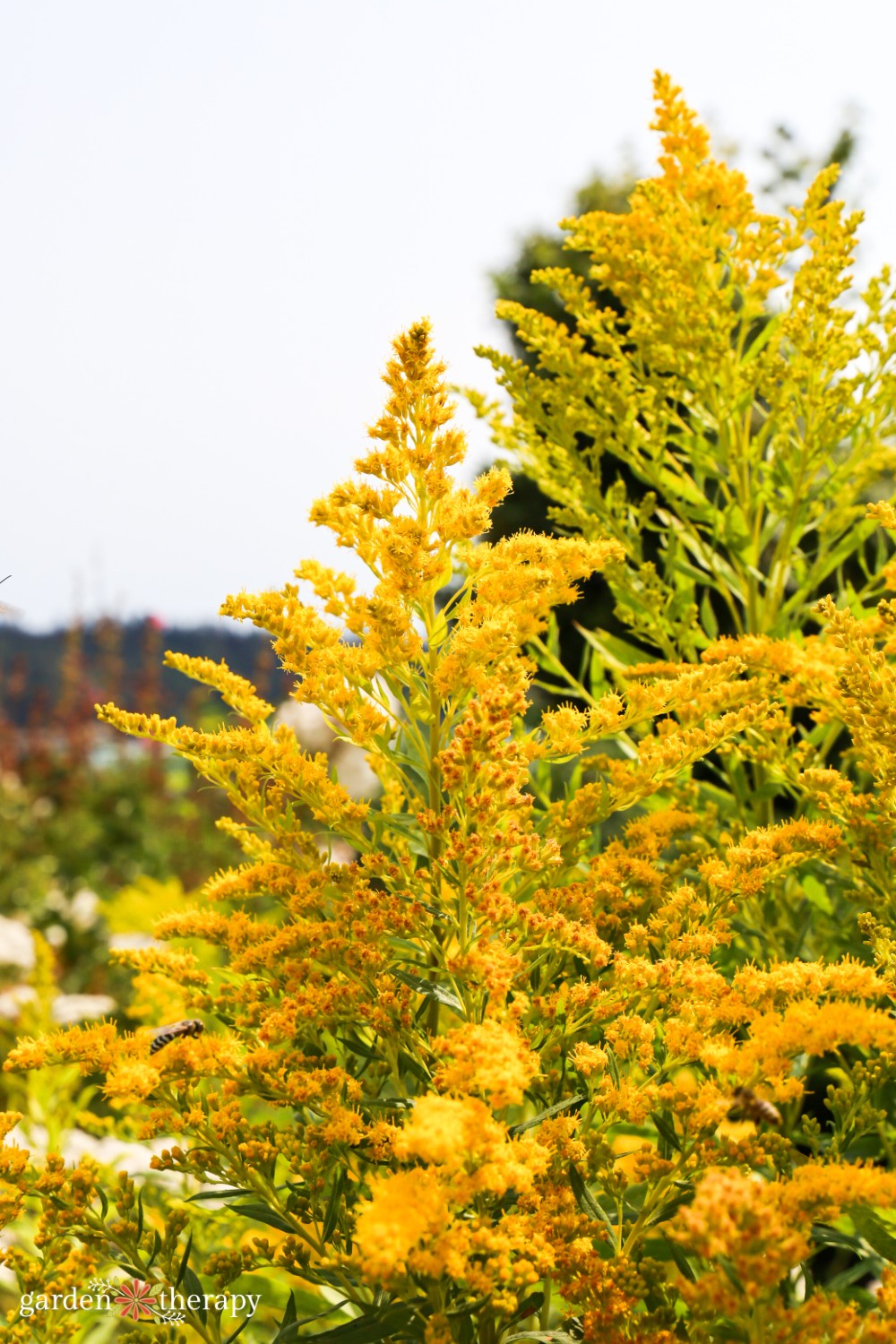
The native plant craze is still in its infancy, but finding native plants at garden centers is easier said than done. Rather than hitting your local trail and digging up plants, we’ll show you how to responsibly source and propagate native plants for your home garden.
We are always told to plant native plants in our gardens. I’m sure you’ve heard me say that to you several times.
And it makes sense! Native plants are low-maintenance, resilient, support local wildlife, and improve soil health. I think it’s great.
But how do you actually get these plants? Most garden centers have a small selection of native plants and only provide them on demand. How do you know what to plant and what is actually bad for your area?
If you’re told to plant native plants, here’s how to actually do it. We’ll show you how to source these plants responsibly, how to propagate them, and tips for planting native plants.
Sourcing native plants responsibly
Collecting, cutting, and dividing seeds from wild plants in nature or in public spaces may seem like the perfect way to get plants for free and support native species, but there are ethical and legal factors to consider.
Regulations vary widely around the world depending on land ownership, conservation status, and local laws. Some areas require a permit, while others prohibit collection altogether. Always obtain permission if necessary and never collect from rare or endangered species.
Unlike foraging for food, which involves taking parts of plants that regenerate naturally, such as fruits and leaves, cuttings, seeds, and division can affect a plant’s ability to reproduce and maintain a population if done improperly.
We collect only small amounts and disperse them across time and space, leaving enough to support a healthy ecosystem.
Exotic species and native plants
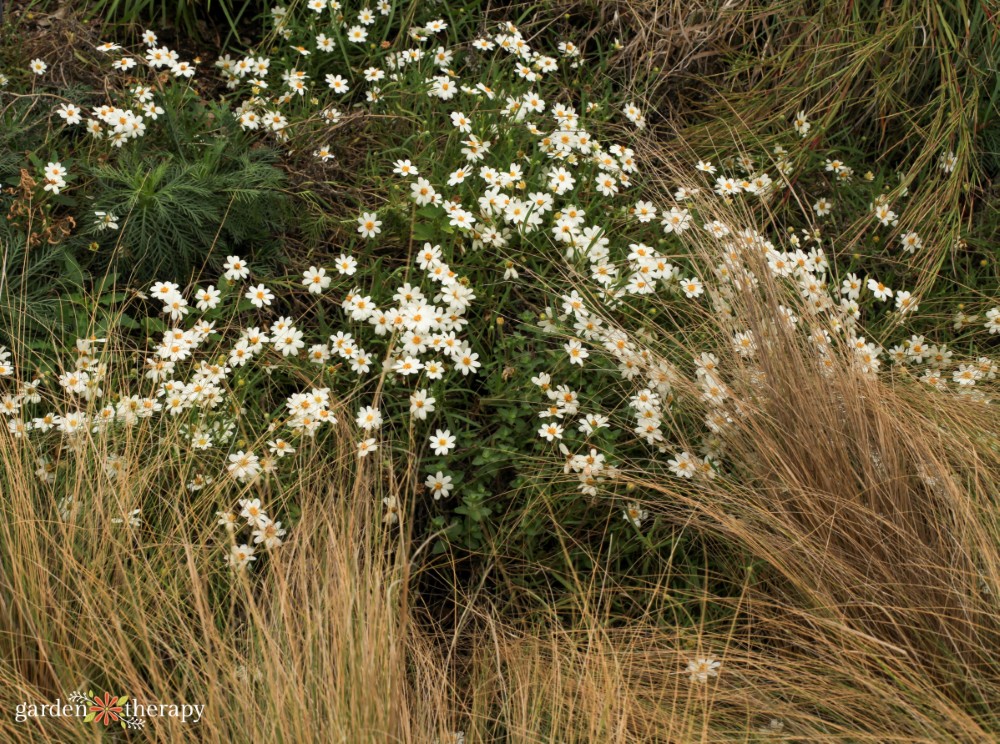
Propagating native plants requires deeper education, as not all plants found in the wild are actually beneficial native species.
When the word “weed” is often used, it actually refers to location. Weeds are things that grow in places we don’t want them to be. However, this does not really indicate whether the plant is actually beneficial or harmful to the local ecosystem.
Exotic plants are usually non-native species that multiply and take up space. These can threaten natural ecosystems by competing with native species and altering soil and water conditions while destroying natural habitats.
Removing invasive organisms is important but often difficult because invasive organisms are highly capable of self-replication. When propagating plants, double check online exotic species databases to ensure you can identify native and exotic species.
How to source native plants
Most mainstream nurseries offer a limited selection of native species and sometimes even offer exotic species. I tremble.
Many natives actually prefer to start with seeds, as they are more plentiful than potted plants and can develop stronger root systems adapted to specific soil conditions.
Besides garden centers, there are other ways to responsibly source native plants.
Seed exchanges from local native plant groups can provide free or low-cost seeds from local varieties, making them perfect for starting your breeding journey from scratch. Community restoration projects may allow volunteers to take away surplus plants after a tree-planting event, establishing material for division. Wild spaces on your property likely contain native plants that can be divided and moved. Friends and neighbors with private land may share plants for propagation, where they can be divided. You can access your own land’s seed bank by removing turfgrass to allow dormant native species to emerge. Seeds can remain viable in the soil for 5, 10, or even 100 years until conditions support growth. By creating an open garden space and informed and intentional weeding, you can identify which plants are native and which are invasive.
Propagation of native plants
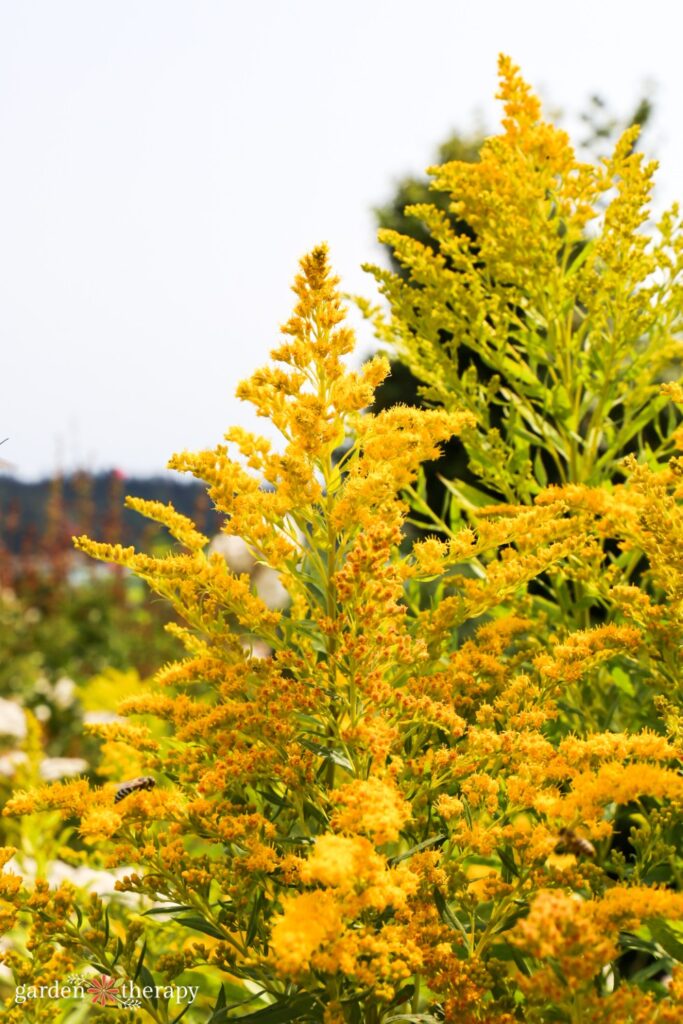
Native plants often respond differently to propagation than typical houseplants or garden varieties. So don’t worry if it takes a little longer than expected. Depending on the plant, you can try propagating native plants through seeds, divisions, stem cuttings, and water propagation.
Start seeding
If you are looking for a specific plant, purchasing seeds is often the easiest way.
Many cool climate native species require cold stratification (winter stimulation) before germination. For this reason, sowing seeds in the fall is often a good solution. Alternatively, you can keep the seeds in moist sand in the refrigerator for 30 to 90 days before planting.
Some native plants can be difficult to start from seed, but most are very easy. Plant seeds outdoors in pots rather than tossing them into the soil. This will prevent mice and birds from eating it. After all, native seeds are the best snack.
If it’s a native plant, there’s no need to make a fuss about keeping it outside during the spring. Seeds appear when they are ready to deal with the elements such as rain, snow, and frost. Be careful not to let it dry out.
division
Dividing a plant is a great way to get mature plants quickly, and can actually benefit the original plant as division helps maintain its health. Native clumping plants, such as wild ginger and native grasses, divide best in early spring or fall when they are not actively growing.
Check out this post for detailed instructions on how to divide perennials.
cutting
Cuttings are one of my favorite ways to propagate plants because they are so easy and low risk. Take cuttings from native shrubs in late summer when growth has hardened. For best results, it requires a humid environment to avoid drying out. They also need bright light to survive and grow new roots.
Some heirloom varieties root slower than cultivated varieties, so use a rooting hormone and be patient. Provide support as needed to keep the plant upright. If you pull the plant lightly and resist it, the plant will root.
For tips on making cuttings from shrubs, follow these steps for taking hydrangea cuttings. Although we’re focusing on hydrangeas, the same rules apply to most shrubs.
water propagation
Water propagation is very easy and one of the most common ways to propagate houseplants. Although it is less common in native plants, it is effective in some plants such as willow and elderberry. For water propagation, take cuttings as described above. Instead of putting it in soil, put it in water.
This is helpful because you can see when the plant has developed roots and you don’t have to worry about the plant drying out.
Planting native plants
When you’re ready to plant your little seedlings in your garden, it’s time to plant them. Like other garden plants, each native plant has its own specific soil requirements. But overall, they tend to be less noisy.
After planting, native plants do not require additional fertilizer or even compost. However, it is good to mix in compost before planting to encourage planting.
I add a layer of fallen leaves as mulch to my garden flower beds in the winter, and I find that’s all I need, as the plants absorb nutrients from the rotting leaves.
The best time to plant native cuttings and potted seedlings is early fall. We need to end the summer heat, but we also need to give them time to calm down.
If the seeds have not yet sprouted in the summer, don’t toss the pot just yet. The seeds may have taken longer in the cold to flower. If you have space, leave the seeds in the pot and put them outside for another winter.
More tips to help you get started

Originally from Vancouver, British Columbia, Holly is the Content Manager at Garden Therapy. She holds a BA in Writing from the University of Victoria and a Diploma in Floristry Design from Burnaby CCE. At home, she loves growing cut and dried flowers for her business, Dirty Daisy Florals, and is an avid houseplant collector and bee enthusiast. You can find her at @dirtydaisyflorals and @hollyheuversocial.