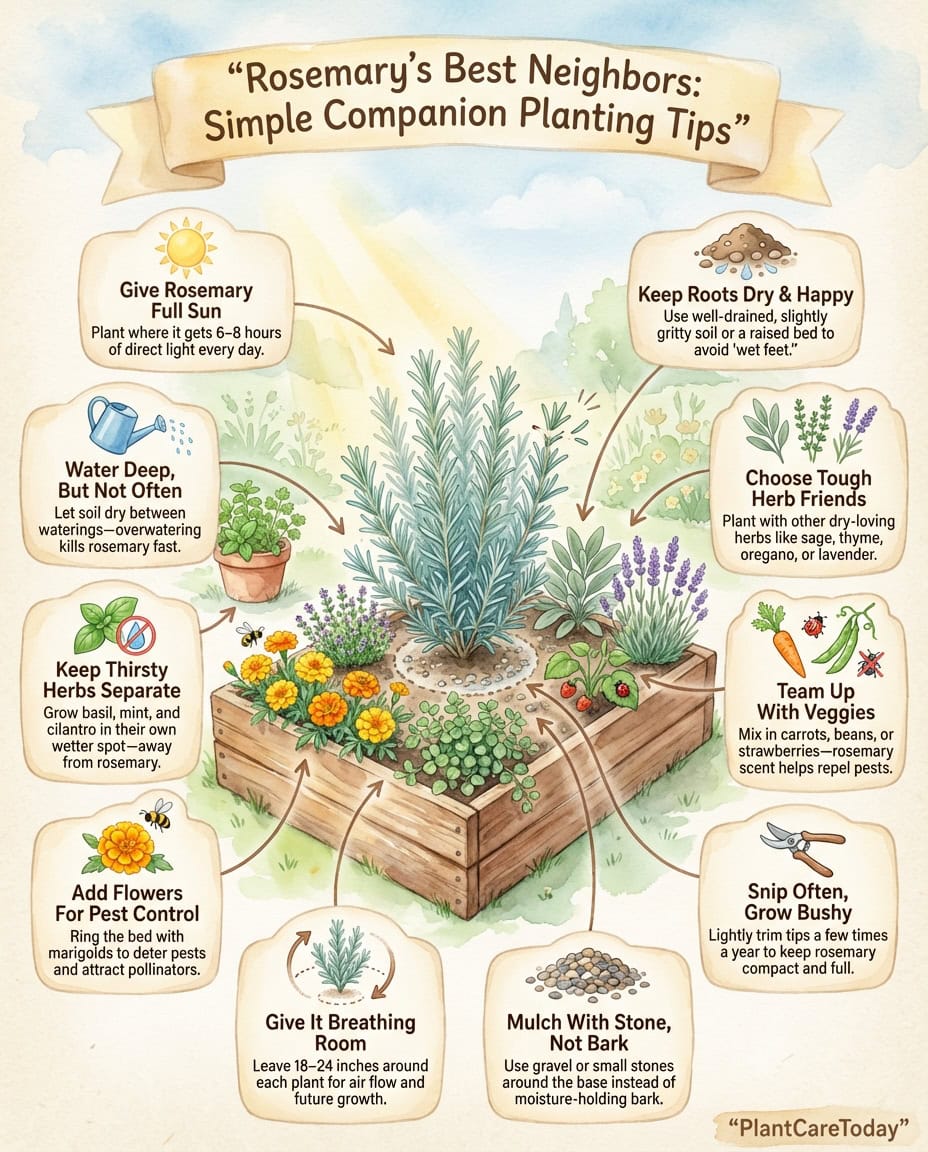
Did you know that your rosemary will either thrive or struggle depending on who is next to it?
You’ll be shocked to learn that this Mediterranean superstar, who makes everything from roast potatoes to cocktails, has a secret social life that can make or break his herb garden.
Forget what you’ve heard about just sticking plants in random places.
Mediterranean Diva: What Rosemary Really Wants
Rosemary is more than just an herb. It’s like the garden of that friend who is particular about everything. This scent powerhouse requires specific conditions to truly bloom.
Your Rosemary is trying to tell you something important. The thing is, I hate wet feet. Unlike delicate herbs, rosemary can thrive in environments where other plants would die.
Prefers full sun (at least 6-8 hours) Well-drained soils (think Mediterranean foothills, not bogs) Low water requirements (drought tolerant once established) Slightly alkaline soils (pH 6.0-7.5)
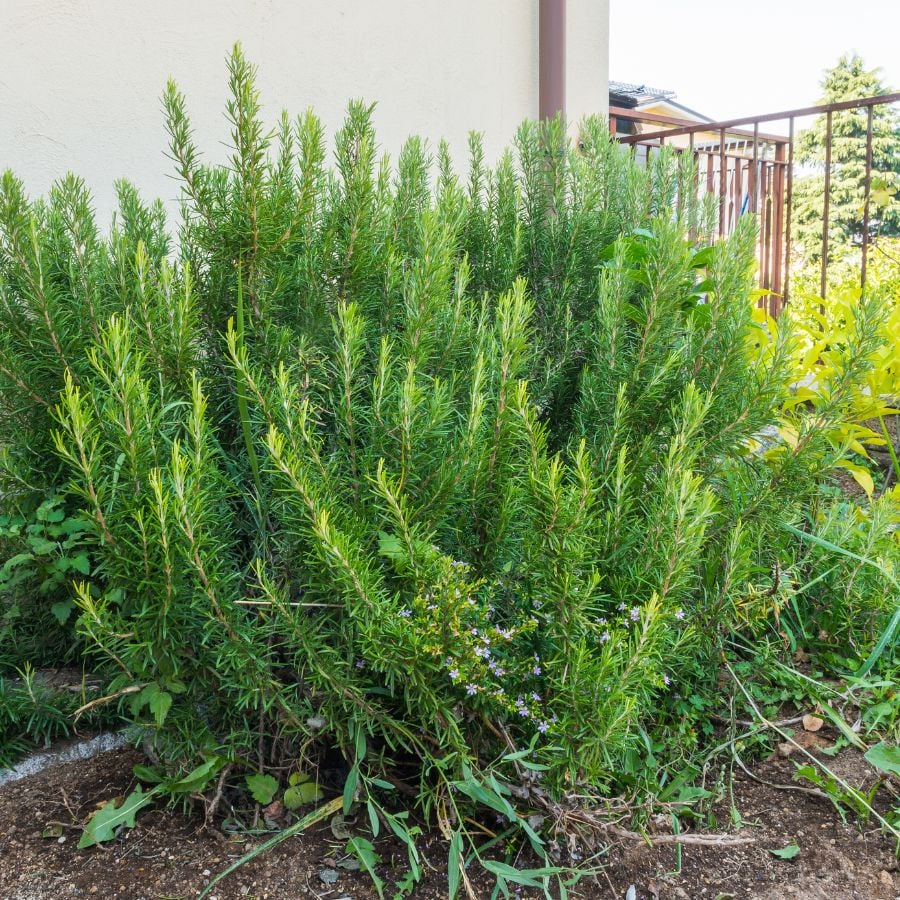
What’s game-changing for Rosemary isn’t what you think. It’s not fancy fertilizer or constant attention.
It simply respects the desire for low-maintenance, largely neglected conditions. (This is truly the succulent plant of the herb world!)
5 plants that will cause rosemary to die hopelessly
Most people make this mistake regarding rosemary. The trick is to plant it with neighboring plants that like moisture, which can cause root rot. Here are five of the worst offenders to stay away from.
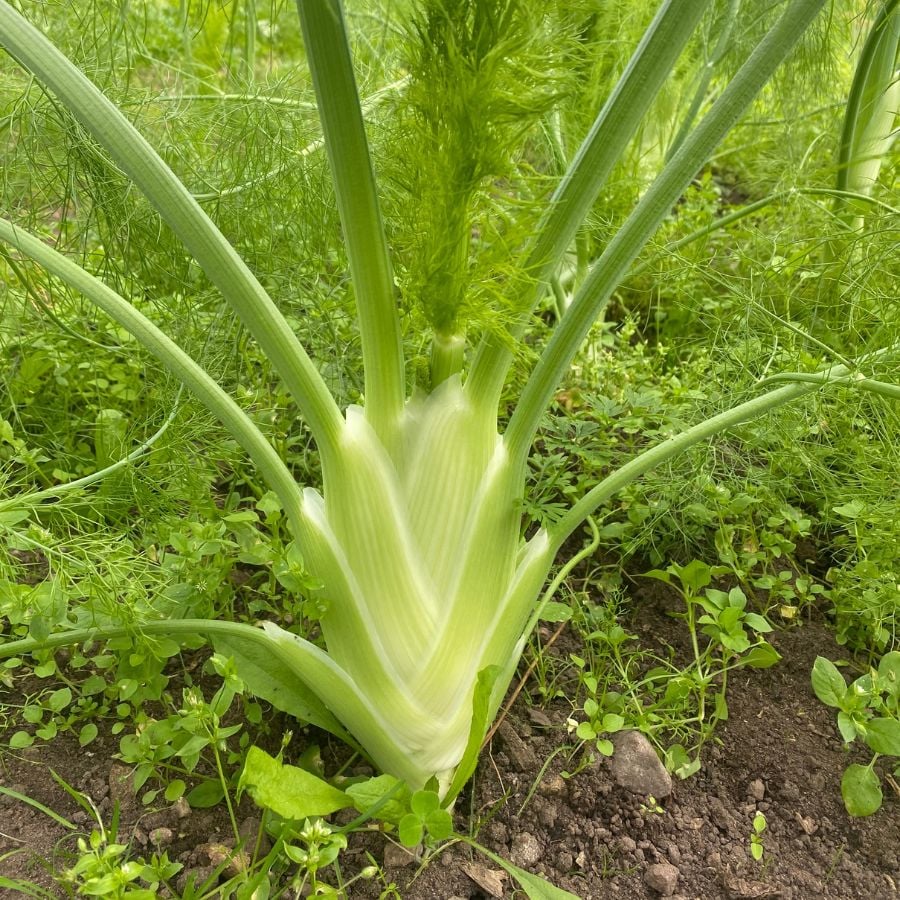
Basil ❤️ Rosemary – This water-guzzling herb is rosemary’s nightmare. Basil requires constant moisture and rich soil, but rosemary roots can literally suffocate if given the same treatment. It’s like forcing a desert dweller and a tropical fish to live in the same habitat. Someone’s not doing well! Mint ❤️ Rosemary – The yard bully who never respects boundaries. Mint’s aggressive underground runners invade Rosemary’s space faster than you can say “mojito,” stealing nutrients and causing underground chaos. Additionally, mint’s water craving dramatically contradicts rosemary’s drought-loving nature. Coriander ❤️ Rosemary – This cool season herb germinates (goes to seed) at the first sign of heat, but rosemary just warms up. Their temperature and water preferences are so mismatched that it’s like trying to wear a winter coat in the summer. Water-loving vegetables ❤️ Rosemary – Lettuce, spinach, and other thirsty veggies will either die of thirst if you plant them with rosemary, or drown the rosemary in an attempt to make them happy. An astonishing 80% of rosemary plant failures are caused by overwatering. Fennel ❤️ Rosemary – The secret saboteur! Fennel releases compounds that inhibit the growth of rosemary. This is a phenomenon known as allelopathy. It’s essentially a plant war, and your rosemary doesn’t stand a chance.
10 plants that turn rosemary into a vibrant powerhouse
Well, good news! These companions create garden magic when planted near rosemary, forming a relationship that enhances growth, flavor, and pest resistance. Think of these as rosemary’s best friends.
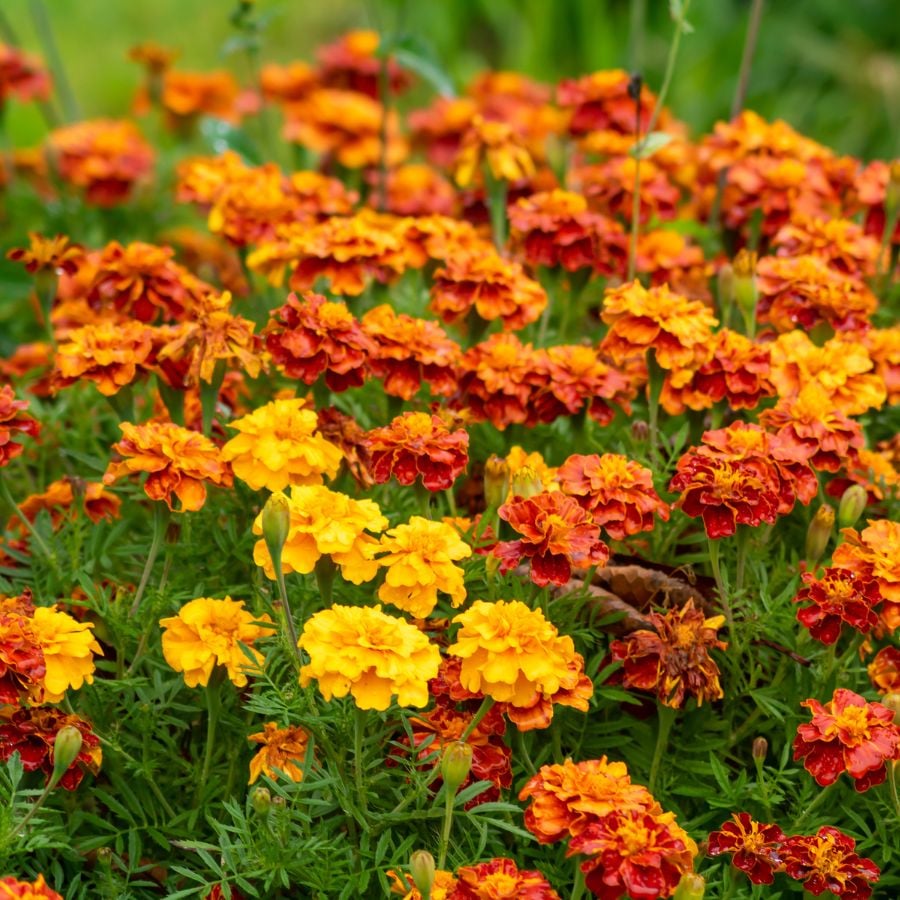
Sage ❤️ Rosemary – This silvery herb has the same drought tolerance as rosemary, keeps cabbage moths away, and looks beautiful together. They’re like a power couple in the herb garden! Thyme ❤️ Rosemary – Their low growing nature makes a perfect living mulch under rosemary. Both herbs grow in similar dry, sunny conditions and together form a fragrant paradise. Lavender ❤️ Rosemary – A dream team of scents! Both They grow in the same well-drained alkaline soil and together they create a pollinator paradise. while preventing harmful pests. The contrast between purple and blue is truly spectacular. Oregano ❤️ Rosemary – Another Mediterranean native that pairs perfectly with rosemary’s growth habit. Together, they create an aromatic force field that many garden pests cannot tolerate passing through. Marjoram ❤️ Rosemary – Acts as a ground cover while enhancing rosemary essential oil production. Research shows that herbs grown together often produce more powerful aroma compounds! Strawberries ❤️ Rosemary – Rosemary’s strong aroma deters aphids that attack strawberries, and the berries tolerate rosemary’s preferred soil conditions. Plus, some gardeners swear that rosemary improves the flavor of strawberries! Carrots ❤️ Rosemary – Carrot flies hate rosemary’s pungent oil, giving these root vegetables natural protection. Meanwhile, the carrot’s fine roots help aerate the soil around the rosemary. Beans ❤️ Rosemary – These nitrogen fixers enrich the soil, and rosemary repels bean beetles, making it the perfect symbiotic relationship! Chives ❤️ Rosemary – This low-growing allium repels aphids and beetles, and complements rosemary’s upright growth habit. Marigolds ❤️ Rosemary – These vibrant flowers form a pest barrier, deterring nematodes and aphids while attracting beneficial pollinators to your garden space.
Master Strategies for Great Rosemary Partnerships
The only difference between an amateur and a professional plant parent is knowing the key strategies for turning a good garden into a great garden.
Give it plenty of space: Give your rosemary 18 to 24 inches of breathing space to prevent mold and eventually grow into a shrub. Increase drainage: Consider planting in a raised bed or adding pea gravel to the planting hole to improve drainage. Practice strategic watering: Water deeply and often, allowing the soil to dry out between wateringsMulch wisely: Skip moisturizing bark mulches and choose inorganic options like gravel or crushed stone around the basePruning your rosemary regularly: Trim regularly to maintain a compact, bushy growth habit (bonus: you’ll have fresh rosemary for cooking!)
The secret that most plant experts won’t tell you is that rosemary actually grows better if left alone a little.
Over-care will kill your rosemary more than under-care. That’s why garden magic is created when you combine it with other equally tough friends.
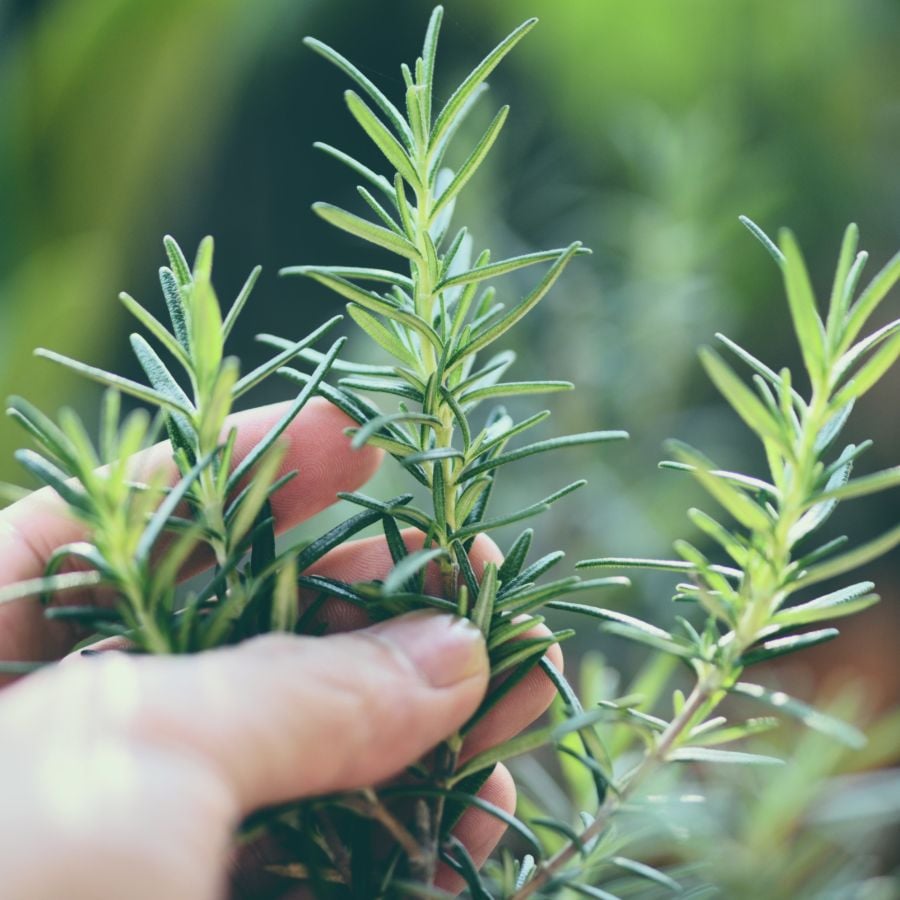
Transform your garden with the perfect combination
Companion plants are more than just garden folklore. It’s backed by science. Strategically combining rosemary and its perfect plant partner creates a garden ecosystem that virtually takes care of itself.
By avoiding moisture-loving enemies and embracing drought-tolerant friends, you’ll see your rosemary transform from merely surviving to fully thriving.
Your herb garden will be a paradise that not only tastes great, but also looks great, smells great, and is pest-proof.
Ready to revolutionize your rosemary garden? Start with one or two compatible companions and watch what happens. Your rosemary (and your taste buds) will thank you!