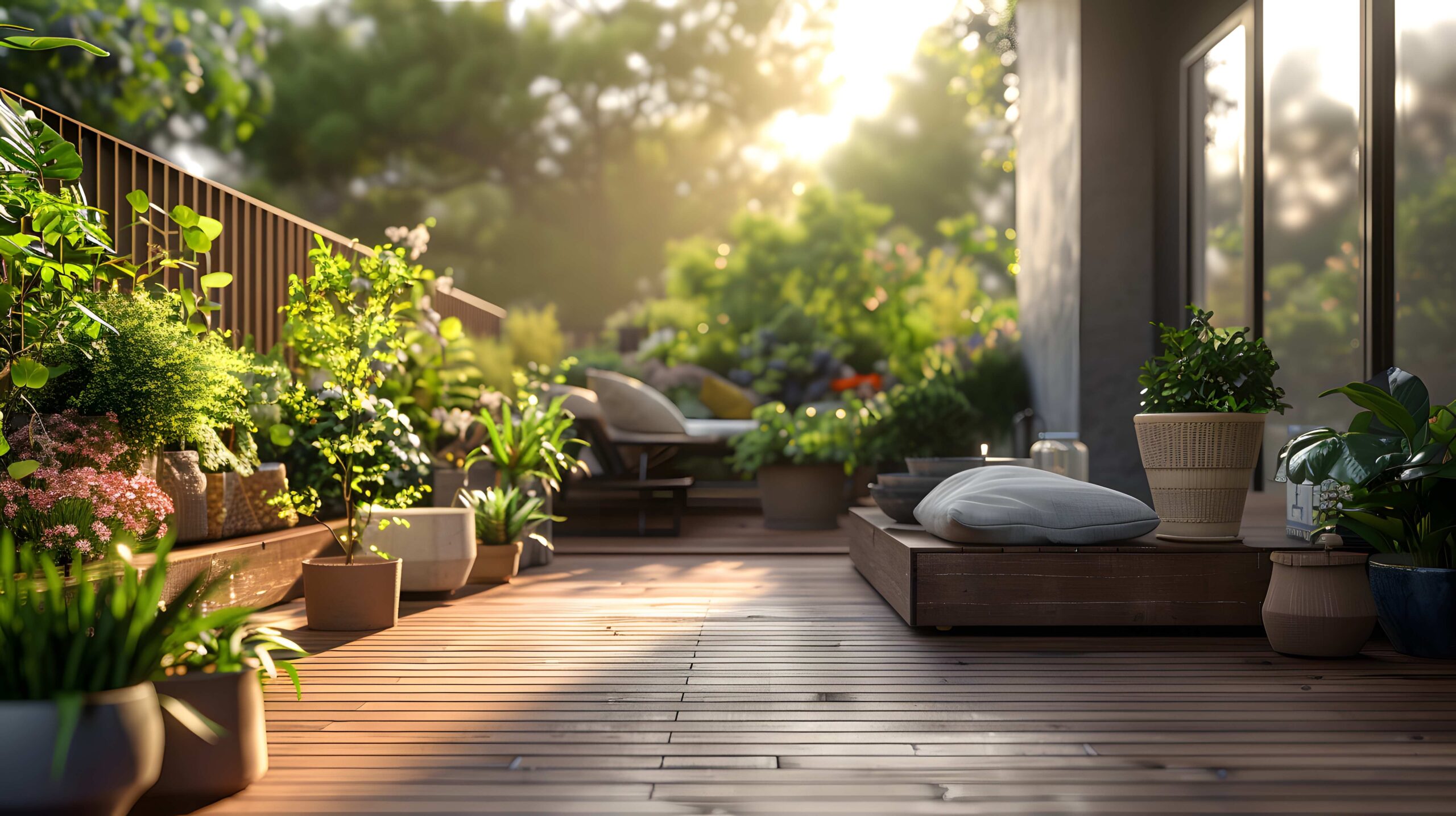
Summer is the season that all gardeners look forward to. The beds are full, the days are long, and all of your spring hard work is finally starting to pay off. But summer also brings with it a different kind of pressure. The heat builds up. Problems creep up silently. And the advice you often hear tends to end with, “Water more and pull the weeds.”
The truth is that a thriving summer garden depends on a few small details that are often ignored. These are the difference between a garden that languishes until September and one that continues to produce well into fall. In this guide, we’ll cover the parts of summer gardening that are rarely the highlights, but can make a big difference.
Heat causes more damage than you think
Most people think that summer stress is due to lack of water. It’s bigger than that. Extreme heat changes the behavior of plants at the cellular level.
When temperatures rise above the mid-80s, fruiting for many vegetables slows or stops. Tomatoes drop flowers. Green pepper stall. Leafy vegetables will sprout almost overnight. You can water it as much as you want, but you can’t get rid of heatwaves with water.
Don’t just water more, water smarter
Not only the amount of water, but also the timing of watering is important. Early morning is best. Reduce the risk of disease by giving the plant enough reserves before the sun reaches its peak and drying the leaves before evening.
Watering deeply and frequently is easier than watering lightly every day. Shallow watering keeps the roots close to the surface, where they can cook fastest. Long, slow soaks two to three times a week allow the roots to grow downward and find cooler, more stable moisture. According to University of Minnesota expansionmost established gardens require about 1 inch of water per week, and even more during periods of extreme heat.
Your soil is silently fighting
Soil is often forgotten once everything is planted. If it’s summer, that’s a mistake.
Burn the bare soil. Moisture is quickly lost and the surface forms a hard crust from which water quickly runs off. Mulch solves most of this. A 2- to 3-inch layer of straw, shredded leaves, or bark will keep the roots cool, retain moisture, and block weeds before they emerge.
There is a second benefit that people overlook. Mulch provides nutrients to the soil as it decomposes, supporting microbial life that keeps plants healthy. If you skip it, you’ll be fighting a tough battle for the rest of the season.
don’t stop feeding
Plants that are actively producing are burning nutrients. A garden that looked lush and green in June can look pale and tired by late July if it’s empty. Light feedings every few weeks will keep the engine running, especially with heavy feeds like pumpkin, corn, and tomatoes.
Unexpected pests arrive
Summer is peak season for garden pests, but not all pests target plants. Some will chase you.
The usual cause is standing water. A forgotten saucer under a pot, a clogged drain, a low spot that doesn’t drain, or even a rarely updated birdbath can become a breeding ground in a matter of days. of Centers for Disease Control and Prevention They point out that some species only require a small amount of standing water to propagate, which can cause problems even in gardens that look pretty.
Correction begins with elimination. Walk around the space every time it rains and throw away anything that has standing water. Keep gutters clear and fill low spots. Additionally, you can rely on plants and habits that make your garden less attractive. natural mosquito control Before getting into the hard stuff, it’s wise to start with methodology. Lavender, marigold, basil and citronella scented plants are all useful and make a living in the garden anyway. Attracting birds and dragonflies that feed on these insects provides an added layer of defense that works when you’re not looking.
Also be careful of leaf eaters.
Aphids, hornworms, and beetles all proliferate in warmer weather. Check the underside of the leaves once a week. If you catch an infestation of a few insects rather than a colony early, you can avoid the sadness of having your plants peeled. Most early outbreaks can be treated without chemicals with a strong water spray or simple insecticidal soap.
Comfort is part of the strategy
This is an area that is rarely mentioned in guides. If you are miserable working in the garden, you will stop working there.
Summer gardens fail not because gardeners lack skill, but because they quietly give up around mid-July. The heat will prevail. There are a lot of chores. And gardens that are left unattended during the busy season quickly decline.
So, plan accordingly for your own comfort. Plant your garden in the cool of the early morning or evening hours. Find a shady spot nearby to rest. Wear a hat, keep water handy, and break down big tasks into smaller tasks. A garden that you actually enjoy tending to is one that is being tended to.
Make effective use of shade
Shade cloth isn’t just for commercial growers. Covering heat-sensitive crops with 30-40% shade cloth can reduce temperatures enough to prevent lettuce from sprouting and protect tender transplants. A strategically placed climbing bean trellis can also protect shorter plants from the worst of the afternoon sun.
Don’t let your guard down with the harvest
What a productive summer garden produces fast. Zucchini can grow from the size of a finger to the size of a baseball bat in about a day. Beans will become hard if left too long. Cucumbers become bitter when they are past their ripeness.
The trick is to harvest often, even when you don’t think there’s much to harvest. Frequent picking tells the factory to continue producing. If you leave fruit on the vine too long, many plants will think the job is done and slow down.
plan for surplus
On the other side of the spacious garden is a kitchen counter buried in produce. Decide early on how to deal with it. Freezing, canning, drying, and sharing with neighbors are all good options for spoiling good food. A little planning here can turn a stressful situation into a real reward.
Leaving records without thinking deeply
You won’t remember the details next year. I think it will, but it doesn’t.
Write down what grew, what was difficult, when you planted it, and when the heat was the most intense. A few notes can save you a few hours of guesswork next spring. This is one of the easiest habits to start, and one of the most rewarding over time. Garden Manager (Garden Planner App) turns every season into a lesson for the next season.
takeout
You don’t have to work hard to survive the summer in your garden. It means paying attention to what cannot be put into words. Heat, soil, pests, your own comfort, and the rhythm of the harvest all influence how the season ends.
Master these quiet details and your garden will do more than survive the heat. Week after week, the benefits continue long after the harshest days of summer have passed. Rewards are a space that nourishes you, calms your mind, and proves that small, humble habits are the most important.