My first home was a blue bungalow in an up-and-coming neighborhood that no one else wanted. Since I was at the top of my budget, I came up with a plan to repair it using whatever materials I could find and a healthy dose of creativity. I spent years scouring classified ads, thrift stores, and salvage yards for used materials to breathe new life into the interior of my home.
During these years of change, I also redesigned the garden. It was perfect. A unique and one-of-a-kind bespoke outdoor living space that took five years and hundreds of memories to create.
I was in the blue bungalow over 20 years ago, two doors down. It seems like a lifetime has passed considering how much things have changed. I’m sure back then it was much easier to buy new materials in big box stores than to look for reclaimed treasures, but I had more courage than money.
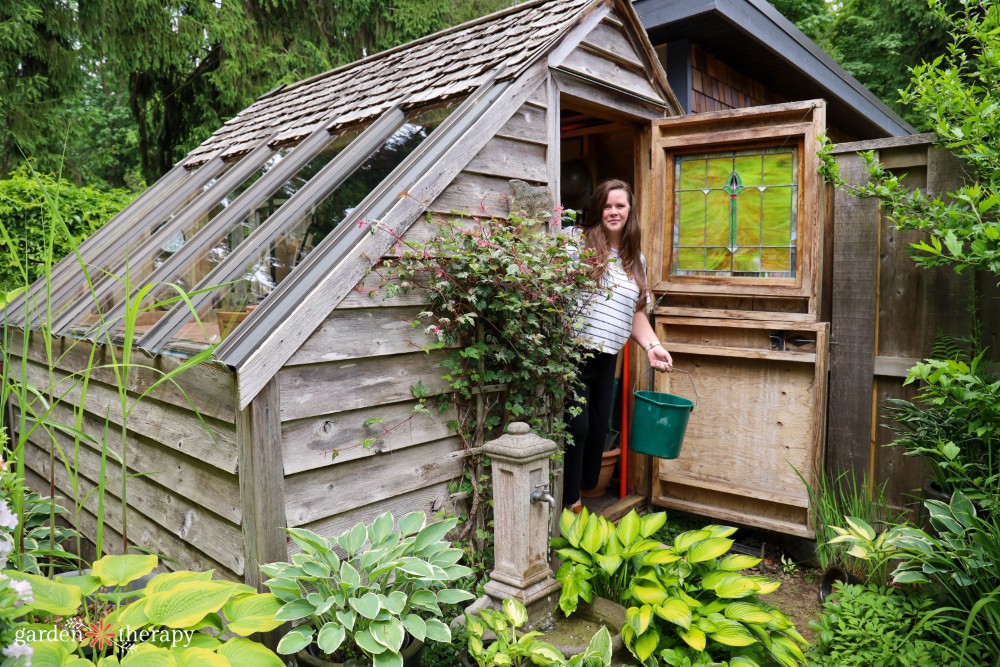
My biggest challenge with no budget was that I didn’t want the house and garden to look ‘junk’. My aesthetic is natural and artistic, not flea market finds. I looked for high-quality materials that would last well through first use and perform far better than newly manufactured, cheap materials intended to become obsolete.
In our current culture of overconsumption, we are drawn to the convenience of availability, low prices, and instant home delivery rather than a hunter-gatherer approach to collecting goods. Quality has never been more important. Replacements are readily available and there is little investment in heirlooms.
It’s increasingly disheartening to see older generations unable to bring home their gold-rimmed wedding dinnerware or perfectly preserved birdseye maple headboards. Instead, people buy a $19.99 Costco dinnerware set or a $199 upholstered headboard, all of which end up breaking and ending up in a landfill within five years.
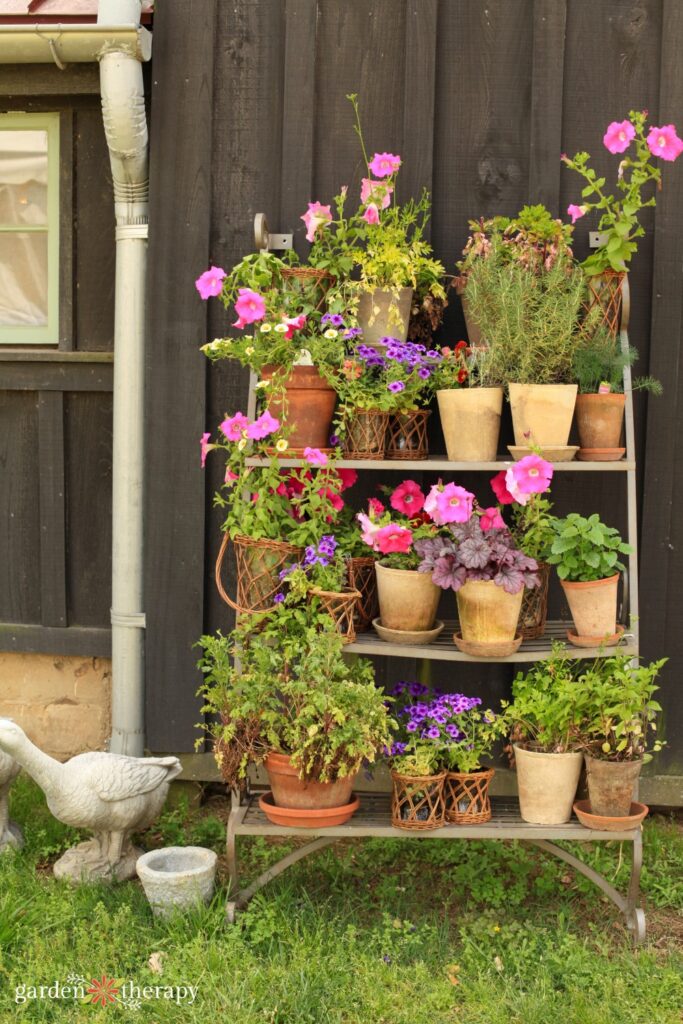
This idea is also happening in our gardens. Mass-produced plastic planters have replaced stone pots and handcrafted ironwork that can withstand decades of weather. Gardening tools are now disposable, with handles and blades that are flimsy and bend after a season of use. The plants we choose are not treasures shared with us by family or neighbors or prized heirlooms adopted in botanical garden gift shops, but expensive means of decorating our gardens.
I hope this cheap and bright trend goes away as quickly as products get thrown in the trash. There is evidence that this is the case. We’re seeing a renewed interest in heirlooms in the home and garden as younger generations focus on beauty, quality and great value.
The choice to buy something higher quality and more beautiful for the same price as a cheaply made new item is, of course, a logical decision. The question remains: is it worth the time and effort?
Create a wild and free garden
What you just read is an excerpt from the beginning of my latest book, The Wild & Free Garden.
Before I started writing this book, I planned a no-buy, no-buy year. Although we were getting used to our “new” house quite a bit, the garden still needed a lot of love to get it the way we wanted it.
In a year where I didn’t buy much, I decided to avoid big box stores and commercial stores, find second-hand items, and only buy new from small, local and independent businesses whenever possible. I stopped ordering things online and had to search the second-hand market for the items I needed and spend days considering purchases.
My goal was to find unique, high-quality items while keeping materials out of landfills. I was able to find everything I needed locally, and once I started working on my garden, I found myself returning to my resourceful roots. At this point I knew I wanted to write about the process, so I took pictures along the way.
I wasn’t worried about looking perfect right away. Anything good takes time and special curation. In fact, I vote for eliminating the idea of perfectionism altogether.
I have always defined my gardening style as following the path of nature. However, this does not mean that my garden is unkempt and untidy. Do you think forests and grasslands are messy? No, they are complete ecosystems that look beautiful and glorious without human intervention.
Aesthetics are important to me as an urban gardener with a small space. I care that my garden looks beautiful to visitors and people passing by, but at the same time it doesn’t have to conform to current trends or gardening standards. You can use these wild concepts without making things look “messy”.
And by creating a new garden space using scavenged materials and connecting with your community, it’s clear that you don’t have to spend money to make your space beautiful. It requires some resourcefulness, patience, and a change in mindset.
As I write this, you can purchase The Wild & Free Garden on Kindle for just ¥3.99.
What makes this book special?
When I was writing Wild & Free Garden, I already knew how special it was. It felt different than my other books, but I found that people felt the same way.
Many people who buy this book are intrigued by the title and are looking for ways to be more wasteful in their gardens. But they realized there was a much bigger influence within.
“Of all the gardening books I’ve reviewed so far, ‘The Wild & Free Garden’ has something unique about it that resonates with green girls like me. The main focus is not only on saving money through gardening, but learning to reuse items already in your home and community. There’s a community focus on everything working together, not just reusing physical objects and sharing tools.” – Susan B. (Goodreads)
It’s a dream for any author to get a review like this. I’ve written a lot of books, but having the opportunity to really impact people is something else entirely.
“A truly inspirational book for gardeners who want to be more creative and less consumerist in their outdoor work. The Wild & Free philosophy is contagious. Within a chapter or two, you’ll be looking at your pallets, salvage yard, and neighborhood’s discarded pots with whole new eyes. This is a book that will change the way you think, not just what you plant.” – Elizabeth V. (Amazon)
As part of the press cycle, I’m on a podcast to talk about gardening and lifestyle principles from the book. During the podcast, I noticed that the host stopped in the middle and looked up at the sky.
It immediately shows that they have started to get into their head and think about the concept we were talking about. All of a sudden, they’re looking around for things that could be recycled or recycled in the garden. They stopped being interviewers and became people who wanted to participate.
“It’s already a much more influential book than I expected. At first I thought I’d just flip through the photos, read some sections, and pick up a few ideas. The book is a reasonable size, the photos are very beautiful, and I found it very inspirational in itself. But what really makes this book stand out is the writing. The author’s story, perspective, and the way she shares her experiences are truly engaging and motivating. This is not a book I just skim through. I actually want to read the entire page. – Lilac (Amazon)
Share lessons learned from the Wild & Free Garden
The Wild & Free Garden hasn’t had a big press tour, and it’s not necessarily the kind of book people are looking for, so we need your help to get the word out.
I truly believe this is the book we all need right now. Much of what has happened over the past six years has been shaped by isolation, disconnection, and rising costs. Everyone feels the weight of it.
This project began as a way to explore ways to use the sharing economy to save money and reduce waste. With a little creativity, you can create an authentic hunting and gathering space while maintaining great quality and style.
Much more blossomed after that. We explore the connection not only to the garden but to the world around us.
It is clear that what we lack most is connection. You have less stuff, more space for your true self, and more time to connect with your community and nature. It is a prescription for moving forward with intention and joy.
“We are in the process of turning a corner of our garden into a ‘secret garden’ and the thought of the cost was quite shocking. The Wild & Free Garden book arrived at just the right time and has given us a wealth of ideas and inspiration for creating spaces using free and low-cost materials. It has also encouraged us to slow down and enjoy the process as much as the final product.” – Sunny Skies (Amazon)
So if you’re looking for ways to transform your garden, spend less money, reduce waste, and enjoy the richness around you, this book is for you. Get it at your local bookstore, online, or request it from your library. I promise you’ll get more than just a beautiful garden.
The Kindle version is available now for just $3.99. This is about as low a price as you can buy this book.
And if you like it, pass the book on to someone else. This is how we make meaningful change.
Explore more Wild & Free Gardens

Originally from Vancouver, British Columbia, Holly is the Content Manager at Garden Therapy. She holds a BA in Writing from the University of Victoria and a Diploma in Floristry Design from Burnaby CCE. At home, she loves growing cut and dried flowers for her business, Dirty Daisy Florals, and is an avid houseplant collector and bee enthusiast. You can find her at @dirtydaisyflorals and @hollyheuversocial.