FAQ
What causes frizz?
Frizz is caused by a lack of moisture. When your hair is particularly dry, it tries to draw in moisture from the air (which is why your hair gets dry on humid days), which can take away from its natural smoothness. “Moisture is a big culprit, but things like chemical treatments and air-drying your hair can also increase the chance of frizz,” he says. (Chemical treatments like hair dye, bleach, and relaxers all damage the hair cuticle, making hair dry and prone to frizz.) Giannetos also points out that curly and textured hair types are naturally more prone to frizz “because the scalp’s natural oils have a harder time keeping the hair smooth.” Hair that has been damaged by constant heat styling is also more prone to frizz, notes Heath.
How can I minimize frizz?
To keep your hair smooth and frizz-free, Giannetos says to use moisturizing products at home to maintain your hair’s texture. Both Giannetos and Heath agree that hydrating hair masks are one of the best ways to properly condition your hair.
Hair masks are a great stepping stone to smoothing hair, but if you’re using heated tools, Giannetos says to be sure to take the proper steps to protect the delicate hair shafts that are exposed to heat. “Let your hair air dry or use a diffuser when blow-drying, and be sure to use a heat protectant when styling,” he says. Giannetos adds that you should avoid overwashing and sleep on a satin or silk pillowcase to reduce nighttime chafing.
Can I use a hair mask every day on curly hair?
Experts generally advise against using hair masks every day. “Even if you use it more often, the frizz won’t go away,” explains New York-based master colorist Lauren Palionico. “Frizz is usually caused by curls, texture, hair breakage, and moisture.”
Overuse will not only have no effect on frizz, but it can also harm the rest of your daily routine and even the overall health of your hair. “Using hair masks too often can cause buildup and excess weight in your hair fibers, making your hair look soft, feel heavy, and difficult to style,” Michelle explains.
Most hair masks recommend weekly use, and “for most people, once a week is enough,” Michelle says. “Those with highly porous, chemically treated, or very dry hair may benefit from two treatments a week, but those with fine hair types often don’t need to use it as often.”
What are the disadvantages of hair masks?
Hair masks can “weight” your hair, leaving it coated in product and making it feel heavy, especially with certain hair types or improper usage. “Using too heavy a mask often, especially on fine hair, can make your hair look flat and greasy,” explains hairstylist Gina Rivera. Additionally, some masks that are high in protein can cause protein overload, which (although it may sound counterintuitive) can “actually dry out your hair and make it brittle,” she says.
It’s not just your hair that’s at risk of buildup. “Another problem is applying rich masks intended only for hair fibers directly to the scalp,” says Michelle. “This can cause buildup, especially for those who already suffer from excess sebum, dead skin buildup, or infrequent cleansing.” That’s why it’s important to focus your mask on mid-lengths and ends, “unless the product is specifically formulated for the scalp,” she says.
meet an expert
Tyler Johnson, hairstylist based in New York City and Los Angeles Angelo Davids, hairstylist and founder of Angelo Davids Salon in New York City Mia Santiago, hairstylist based in Ohio and New York City Dimitris – Giannetos, hairstylist based in New York, Los Angeles and Paris Kylie Heath, hairstylist based in Los Angeles Ana Louise Lusk, hairstylist based in Boston Kimberly Michelle, hairstylist, educator, Mint in Houston Well Head Founder Lauren Palionico, New York City-based Master Colorist Gina Rivera, Las Vegas-based Hairstylist
How to test and review products
We always ask different testers from the makeup industry to help us, but when it comes to hair care products and tools, it’s a different story. While there are certainly products available for different hair textures, lengths, curl patterns, thicknesses, colors (natural and unnatural hair), and needs, hair products are often made with specific consumers in mind. Many are created to address concerns (dandruff, hair breakage, brittleness) or work best on specific hair types (4C curls, wavy hair, gray hair). For example, you wouldn’t want to pick up a purple shampoo that was only reviewed by people with auburn hair, or a diffuser that wasn’t tested by people with curls, right?
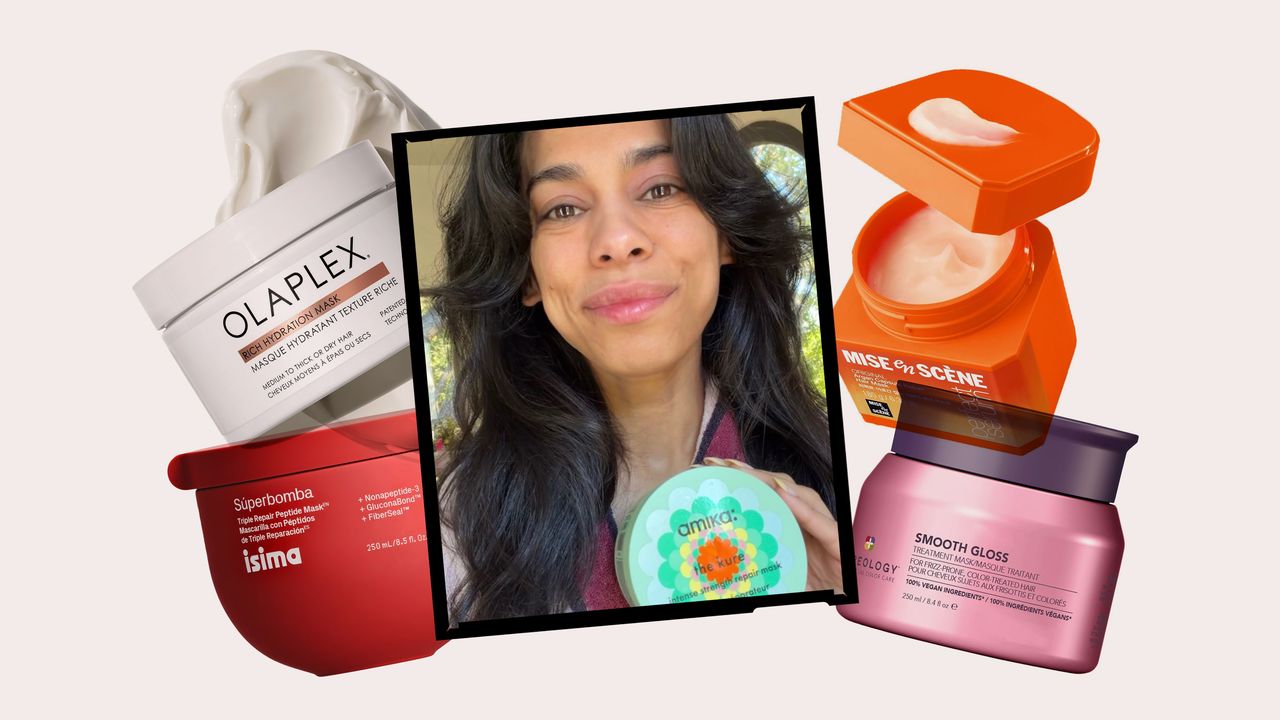
To review the best hair masks for curly hair, we enlisted the help of multiple editors, writers, contributors, and hairstylists who are looking for frizz-minimizing formulas in their hair care routines. Testers considered performance across four key categories: effectiveness, texture and experience, fragrance, and packaging. For more information on what our report includes, please visit our full review process and methodology page.
Our staff and testers
Beautiful items are purchased individually. You might be looking for a face cream to combat stubborn dryness or a new nail product to add to your Sunday self-care routine. You may simply be looking around for the latest products to hit the hair market. No matter what you’re looking for or what your personal needs and concerns are, Allure wants to guarantee you’ll love everything we recommend in our stories. To achieve that goal, we believe it is essential to have a diverse team of writers and editors, as well as a wide range of external testers and industry experts that we engage on a regular basis.
After all, can you really say that a skin care product is “best” for people over 50 if your testers only solicited opinions from people who haven’t yet turned 30? Can you honestly think that a high-end diffuser that has never been tested on curls is worth your hard-earned money? We are proud that our staff spans a wide range of ages, skin colors, hair textures, genders, and backgrounds. That means you can get a fair review of every beauty product in your beauty closet.