As someone who has been sober for 26 years, and through my work as a recovery coach, I have come to understand that recovery and health are about more than not taking drugs. That may start, but just as important, if not more important, is that we become emotionally calm.
When I first heard the term emotional abstinence, it sounded like an unattainable and distant experience reserved for Buddhist monks. My heroines like Tara Brach and Pema Chodron felt like they could achieve that, but it felt out of reach for someone like me. It wasn’t until I went through a particularly emotionally difficult time, one that ultimately became a portal, that I truly understood its importance, and ever since then I’ve been able to share this important aspect of recovery with my clients.
When I first heard the term emotional abstinence, it sounded like an unattainable and distant experience reserved for Buddhist monks.
One day, my son announced that he was moving from New York to Los Angeles. On the surface, his decision seemed exciting and promising, but he didn’t have a job or a place to live. He was going to figure it out when he got there. The continued anxiety surrounding his safety made me anxious. I became anxious and nervous. For weeks, I checked my phone to see if he had texted me, scrolled through Instagram and Facebook, and secretly scanned small pieces of his life to try to see if he was okay.
His Life was my favorite TV show, but I just couldn’t get it. I couldn’t stop thinking about him, I couldn’t stop worrying about him, I felt emotionally hijacked.
Notice that the past appears in the present
As the saying goes, when it’s hysterical, it’s historic. As I learned more about therapy, I began to understand why his departure hit me so hard. It reflected something much older. When I was in college, my mother suddenly moved to Switzerland. There was no long goodbye, no gradual adjustment, she just left. Decades later, my nervous system didn’t know the difference between then and now.
My body was grieving old losses through new ones. I knew enough to attend Al-Anon meetings to release my emotions, but it didn’t give me peace of mind.
My body was grieving old losses through new ones. I knew enough to attend Al-Anon meetings to release my emotions, but it didn’t give me peace of mind.
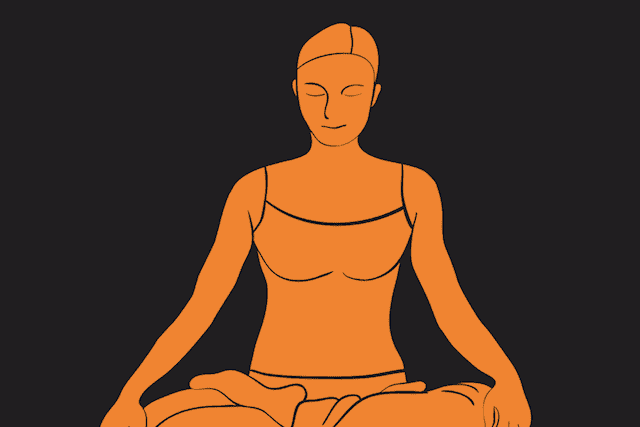
The change came when I learned to meditate. As a beginner, I was encouraged to first pay attention to my breathing and notice the moment, or pause, between the inhale and exhale.
As I practiced that awareness, insight bubbled to the surface. My breath, my most subtle physical experience, was my life force. This quiet activity that happened without my intention was the defining feature between life and death. I felt a sense of awe for my own breathing that I had never felt before. Slowly but surely, I developed the ability to observe how my mind jumped like a cricket from thought to worry to thought, and eventually began to calm down.
For many people, substances helped numb their emotions and were a kind of escape hatch. So when you quit substances and develop a more intimate relationship with yourself, it may not feel safe to be still and quiet your mind. There is nothing left to block out the noise or soothe the fear.
Over time, I felt at peace and emotionally calm. I wasn’t in a hurry to find something outside of myself to ease my discomfort.
make your mind a quiet place
When working with people who struggle with substance use disorders and eating disorders, many clients share with me that they continue to struggle with quieting their minds. For many people, substances helped numb their emotions and were a kind of escape hatch.
So when you quit substances and develop a more intimate relationship with yourself, it may not feel safe to be still and quiet your mind. There is nothing left to block out the noise or soothe the fear.
In my coaching sessions, I discuss the concept of emotional sobriety and offer a variety of entry points, including:
Breathing exercises or body scans Awareness and Name Techniques Exercises to draw stability from the room and surrounding environment A short guided meditation 20 minutes of journaling
In all these small exercises, I gently guide them to reconnect with themselves through curiosity rather than judgment. There is more than one path to serenity, so we find the path that fits and move at the client’s pace.
Not being emotionally calm can look like checking out, being endlessly distracted, or mindlessly scrolling. Over time, practicing mindfulness can help you understand that you can live with uncomfortable emotions without wallowing in the door.
What I’ve come to understand is that while insight and self-awareness are essential, even with the best of intentions, emotions can be hijacked and triggered in the moment, leaving you suddenly overwhelmed by the urge to escape unpleasant emotions.
And while we may not reach for the essence or activity that led us to recovery in the first place, which is of course a great accomplishment in itself, we may reach for other, perhaps more benign, activities that serve a similar purpose. Not being emotionally calm can look like checking out, being endlessly distracted, or mindlessly scrolling. Over time, practicing mindfulness can help you understand that you can live with uncomfortable emotions without wallowing in the door.
What mindfulness and meditation offer, and what my clients have told me over and over again, is a way to reset your emotional thermostat, regardless of what’s going on around you.
The pause between the inhale and exhale. A moment of choice where there was none before.
That’s emotional calmness.
Stephanie Hazard is a Certified Peer Recovery Specialist (CPRS) and a Certified Carolyn Costin Institute Eating Disorder Recovery Coach (CCIEDC). Her debut book, Making Sobriety Stick: A Recovery Coach’s Guide to Sustainable Change, will be released on September 22nd during National Recovery Month and is available for pre-order at www.pathtowardrecovery.com.