
Test broccoli, vinegar, and lemon juice to blunt the glycemic index of white potatoes.
White potatoes have a high glycemic index, and consuming foods with a high glycemic impact may increase your risk of diabetes. Normally, it is desirable for blood sugar levels to rise and fall slowly and naturally after meals. However, consuming high-glycemic foods like potatoes can cause blood sugar levels to rise excessively. This causes our bodies to overcompensate with insulin, causing blood sugar levels to drop below where they started, resulting in negative metabolic effects such as increased blood triglyceride fats, as seen below and at 0:34 in my video “How to Reduce the Glycemic Impact of Potatoes.”
However, potatoes are a good source of vitamin C, potassium, and polyphenols, which may offset their effects on blood sugar. This may explain why potatoes appear to have a neutral impact on longevity, unlike other whole plant foods that are associated with living a longer active life.
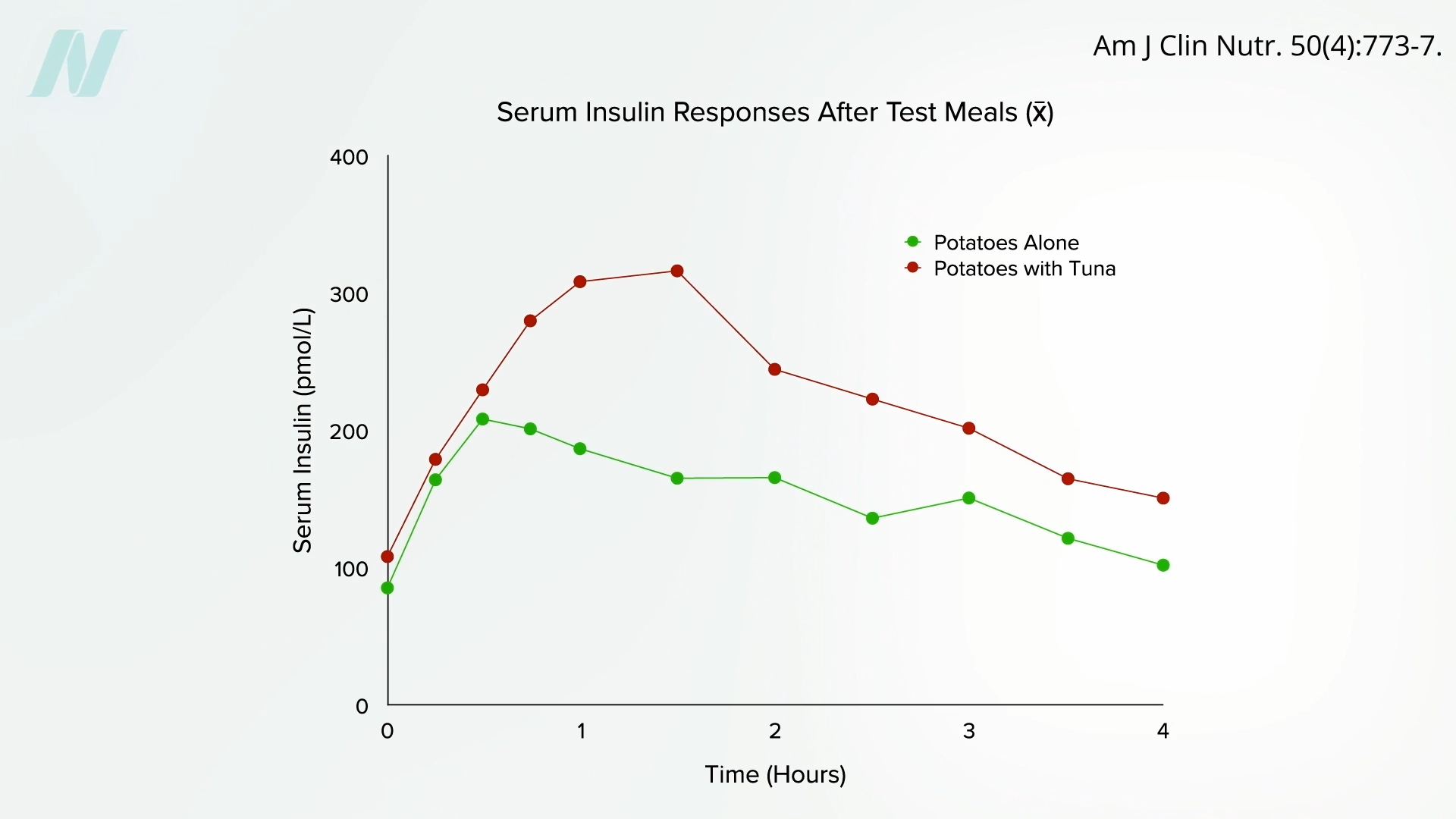
In my last blog, I explained how cooling cooked potatoes can dramatically lower their glycemic index, even when reheated in the microwave. How else can you reduce the blood sugar impact of white potatoes? Add broccoli, just like you do to improve your nutritional life. Eating two servings of boiled broccoli with mashed potatoes is a surefire way to instantly reduce your insulin needs by nearly 40%. In contrast, adding chicken breast makes things worse, and adding tuna makes things even worse, almost doubling the amount of insulin your body has to pump out, as shown below and at 1:31 in my video.
Why does plant protein improve the situation and animal protein make it worse? Because lower intake of branched chain amino acids improves metabolic health. I discuss this in my book How Not to Diet and in my videos on the subject.
Speaking of ways not to diet, remember the section about vinegar? The graph below shows the spike in blood sugar and insulin that a pre-diabetic person can experience after eating a bagel. However, if you eat the same bagel with about 1 tablespoon of apple cider vinegar diluted with about 1/4 cup of water, the spikes will be significantly reduced, as you can see below and at 2:10 of my video.
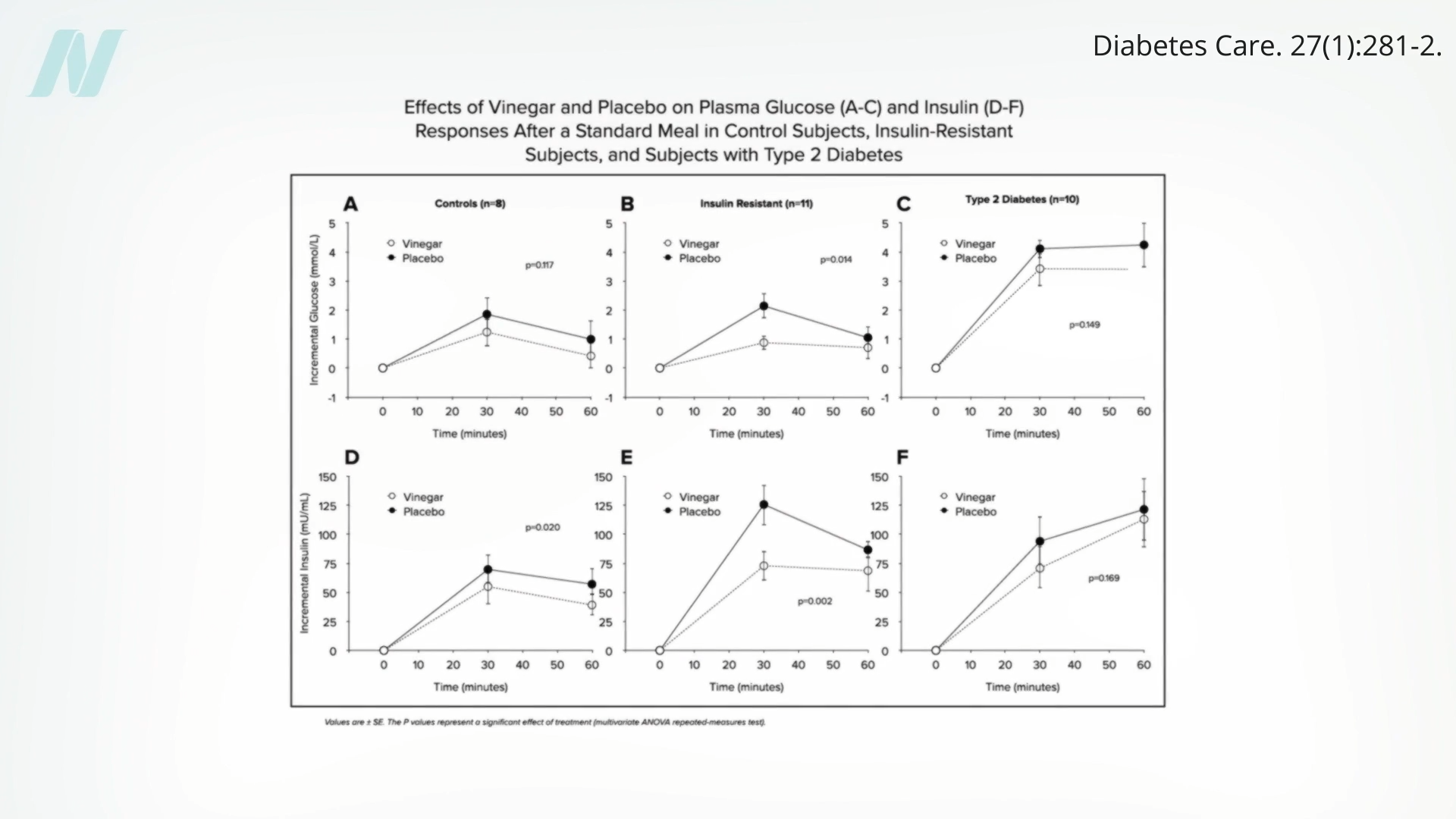
Will it work on potatoes too? Simply chilling the potatoes can reduce the rise in blood sugar and insulin levels, but to significantly lower both levels, simply add a tablespoon of vinegar to lower levels by 30% to 40%. It was just white distilled vinegar.
Is it the vinegar itself, or would an acidic seasoning be okay? In the test tube, lemon juice seemed to have amazing starch-blocking properties, but we won’t know if it works in humans until we test it. And lemon juice actually reduces the blood sugar response to bread. And not just a little bit, but an increase of about 30%, as you can see below and at 2:50 of my video.
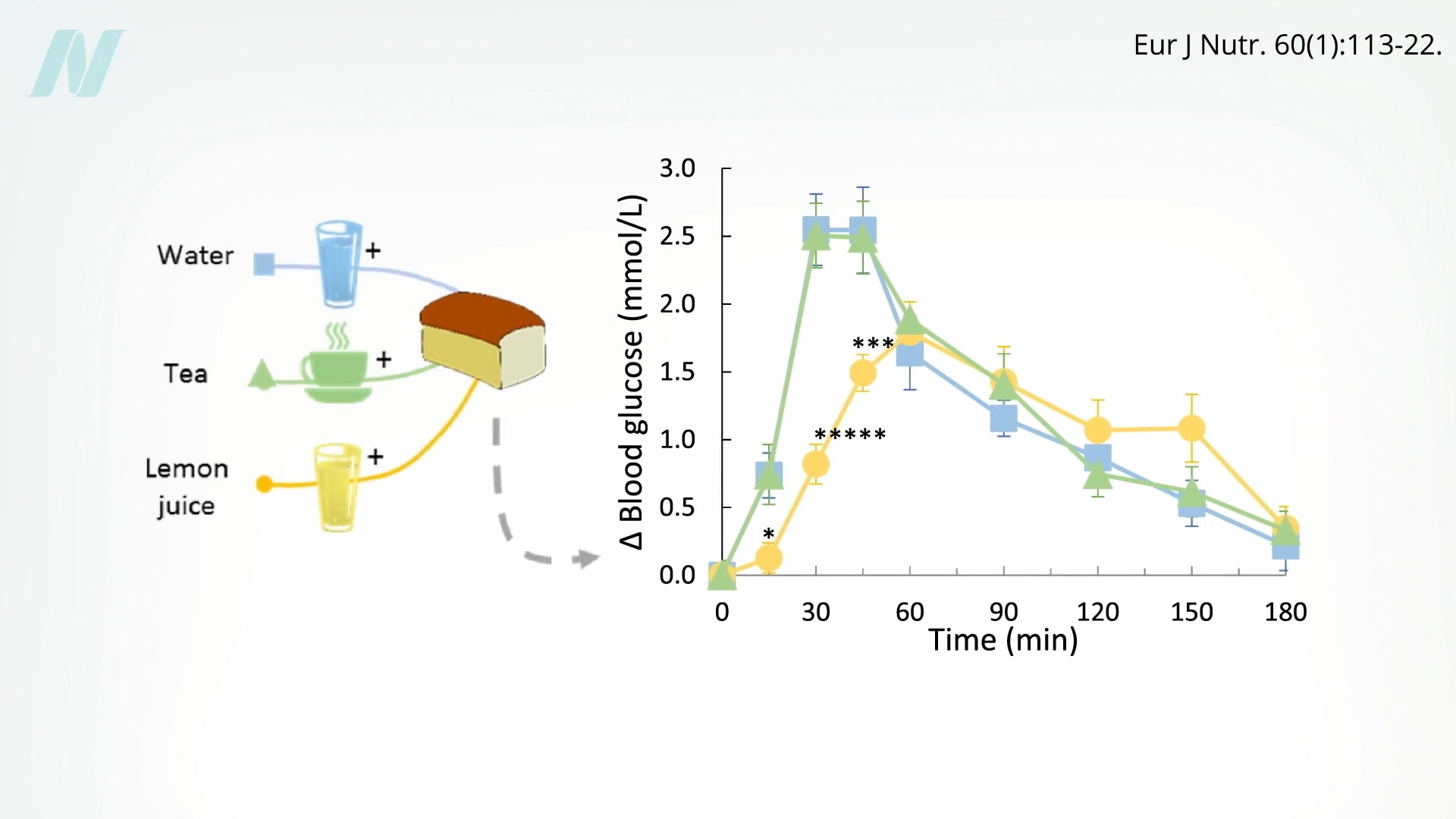
Now, it’s even more remarkable that it helped because the study participants drank half a cup of lemon juice, but they had a better blood sugar response, even though they added half a teaspoon of sugar. However, vinegar is more powerful. Drinking just 1 to 2 tablespoons of vinegar diluted in water a day can significantly improve short- and long-term blood sugar control for diabetics. Therefore, clinicians can include vinegar intake as part of the recommended diet for diabetic patients.
doctor’s note
This is the fourth video in a five-part series about potatoes. Missed the first three? Watch:
What about the glycoalkaloid toxins found in potatoes? I’ll cover this and discuss the best potatoes in the next and final video of the series, “The Healthiest Potato Types.”