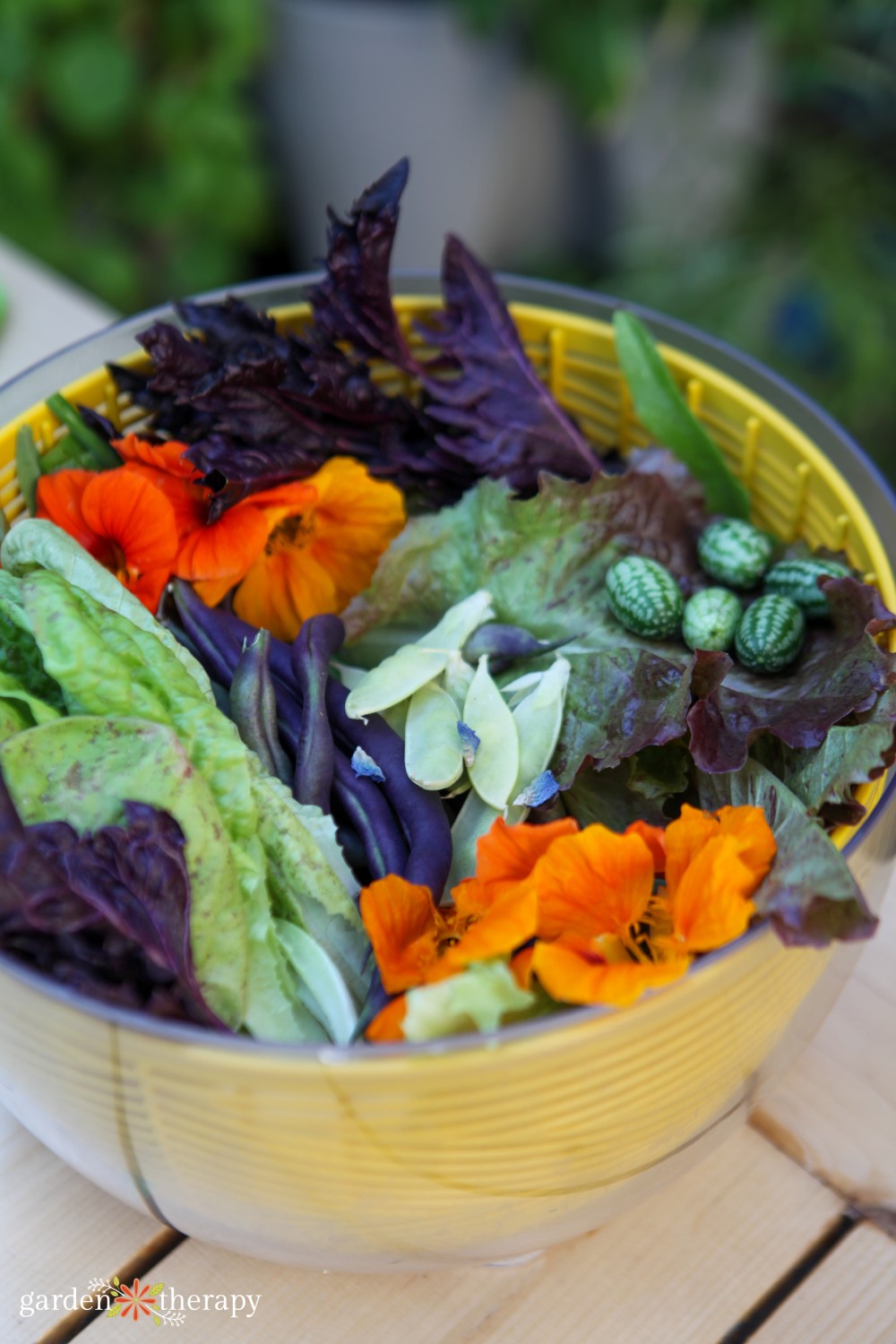
A basket of extra cucumbers from your garden will not only get you juicy tomatoes in return, but it will also help you get to know your neighbors and increase local food security. Here we’ll show you how to start trading and bartering with your neighbors and share your surplus and winnings.
I wish I could plant pears, figs, apples, walnuts, plums, and cherry trees in my small urban garden, but I also need space for other things, like a vegetable or herb garden.
But that doesn’t mean the sweet, sweet taste of fresh figs isn’t in the cards for me. In fact, I’m sure there’s at least one neighbor on the surrounding block who would be more than happy to share his figs, especially in exchange for my tomatoes.
Bartering was once a common practice, but it is neither globally sustainable nor easy to buy many of the products we need.
However, the move away from barter meant losing the personalization and community-building aspects that were built into transactions. Modern bartering is restoring these connections within our communities, and we find great satisfaction in sharing our bounty and not letting things go to waste.
What is barter and trade?
Barter is considered an exchange of like things, such as skill for skill or barter for exchange. Barter is common in rural areas, with farmers and producers continually exchanging products such as eggs and honey, cabbage and potatoes.
This allows surplus harvests to be used to diversify consumable products. This trend is growing among the younger generation, who are happy to trade goods, clothing, artwork, musical instruments, household items, and of course gardening tools and plants.
There are countless ways bartering can take place, but the true beauty of bartering lies in the relationships it builds. Dealing directly allows you to build a personal connection while avoiding the fees and complexities of traditional business transactions.
Although it cannot replace our entire economic system, small-scale bartering enriches community life and reminds us of the value of direct exchange.
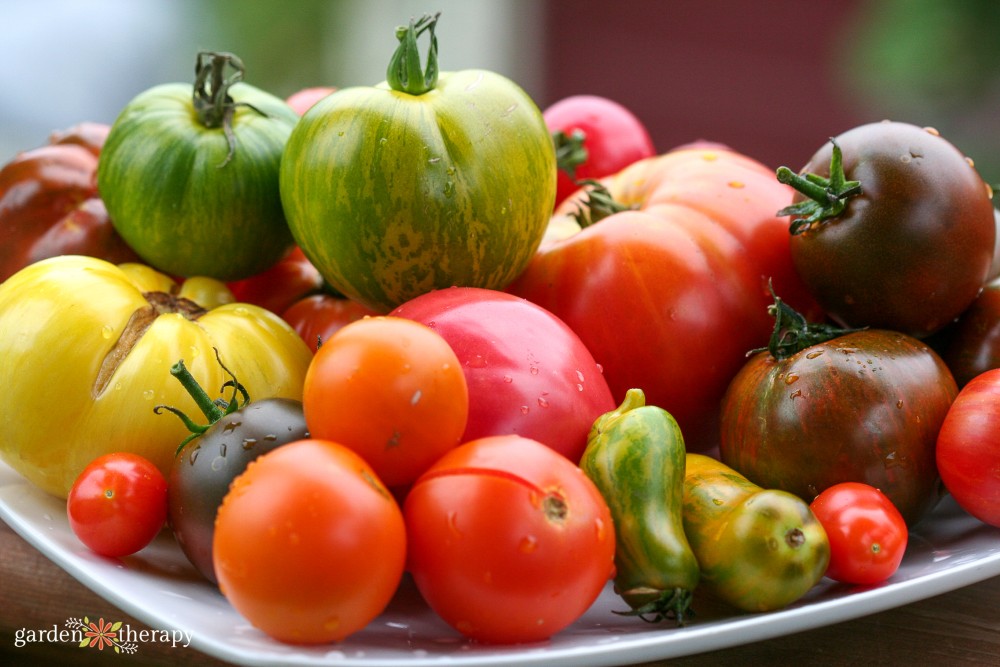
How barter can improve food security
Grocery store prices aren’t what they used to be. It’s very common for me to be put off by how expensive raspberries and watermelon are, along with many other vegetables and fruits.
Food insecurity, where people lack access to fresh, nutritious food at affordable prices, is a serious problem. Many people turn to gardening to relieve the stress of the grocery store, but you can also take it a step further by bartering and trading with your neighbors.
If you have a small space and enough space to plant a plum tree, you can create a system with your neighbors. One neighbor may have pears, another persimmons, and maybe walnuts.
You can share the plums you make with them (you can’t eat them all, after all), or you can give them the extra ones you harvest. Perhaps you save all the extra plums and they save the extra fruit too. That way, you can swap and enjoy all your fruits and nuts without the hassle of storing them.
start bartering
Start by evaluating what you can offer in your trading. What do you already grow that you have left over? What’s growing in your garden that you can easily grow more of?
Then you can look for people to trade with. Does anyone in your neighborhood have fruit trees? Do you already have local gardening friends? Do you have a big vegetable garden that you admired while taking a walk? Try knocking on someone’s door, leaving a note, or dropping off samples of their produce.
Another option is to post flyers in your neighborhood, community center, or library and see if anyone would like to exchange. You can also organize a trade event at your community center to encourage everyone to share their surplus.
You can also find great communities in localized Facebook groups dedicated to gardening and other local apps like Freecycle and Nextdoor.
More ways to contribute and share
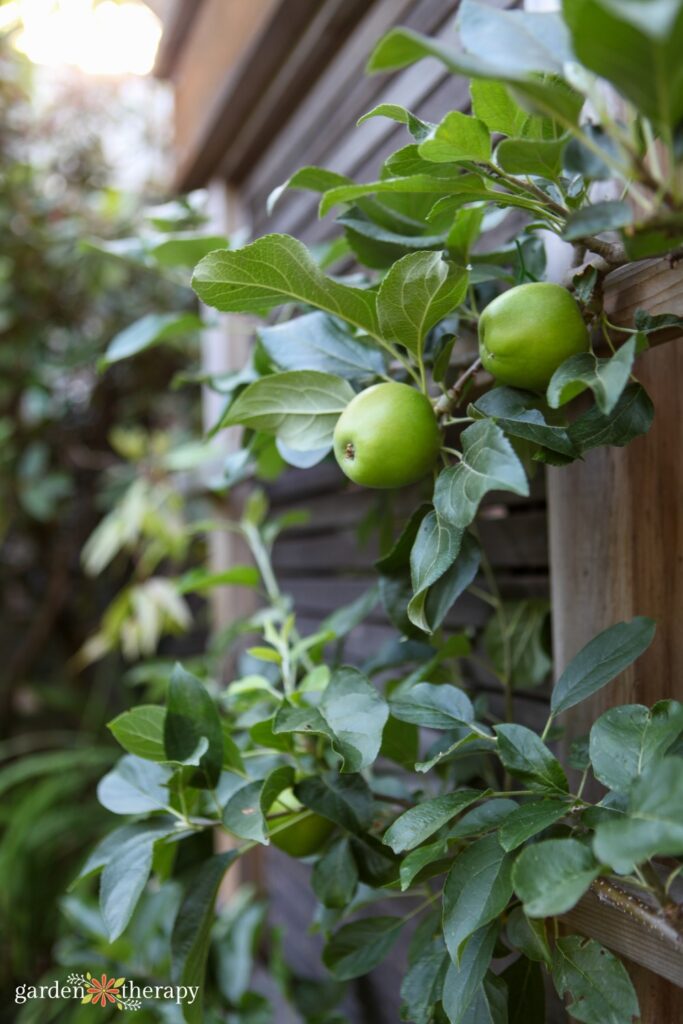
You don’t need to have a large amount of bounty in your estate to participate in this system. If you notice that your neighbor’s tree has unpicked apples, don’t hesitate to knock on the door and ask if you can pick some.
They may be grateful that someone else can harvest them when they can’t, or that they can use them when they have more than they need.
It’s never mandatory to give something in return, but you can show your appreciation with your famous sourdough bread, jelly made from their bounty, an offer to do some gardening for them, or a simple thank you card. As a result, you will feel closer to the community.
Here are some ways you can share and collaborate with your community.
Save seeds from your garden and share with your neighbors any extras you didn’t plant in the spring. Harvest a bouquet from your garden to brighten your neighborhood’s day. Gardening supplies can be shared or rented so everyone doesn’t have to buy everything. Dry extra herbs and give away extra in the fall Join a CSA subscription to share with some neighbors, like local eggs and produce boxes

Originally from Vancouver, British Columbia, Holly is the Content Manager at Garden Therapy. She holds a BA in Writing from the University of Victoria and a Diploma in Floristry Design from Burnaby CCE. At home, she loves growing cut and dried flowers for her business, Dirty Daisy Florals, and is an avid houseplant collector and bee enthusiast. You can find her at @dirtydaisyflorals and @hollyheuversocial.