Nothing compares to the joy of pulling out a container in the dead of winter, pulling out your homegrown tomatoes, and slicing them for a recipe. But that’s not possible without keeping tomatoes fresh.
Well, the answer to how to preserve tomatoes harvested from the garden is not easy. There are literally tons of ways to preserve them, including canning, freezing, preserving in olive oil, air drying, and refrigeration. The best way to enjoy the freshness of freshly picked tomatoes is to eat them as soon as they’re ripe.
But if you’ve outgrown more than you can eat, it’s wise to look ahead. One thing is clear: there’s no way to perfectly recreate the exact taste of a tomato fresh off the sun-warmed vine. Still, with a little care, you can preserve that flavor and enjoy your harvest long after summer is gone.
For short-term storage (up to 7 days): Place tomatoes upside down at room temperature between 55°F and 70°F.
For long-term storage, consider canning, dehydrating, freezing, or tomato puree.
When should tomatoes be stored?
Timing is everything when it comes to storage.
If the tomatoes are firm and just starting to turn, leave them at room temperature for a few days until they are fully ripe. Avoid the refrigerator at this stage. The texture and taste will be dull.
If the tomatoes are already ripe and cannot be used right away, choose tomatoes that are free of blemishes and cracks. Wash and dry gently. If you find any that are overripe, set them aside so you can immediately use them in sauces and soups. The idea is to preserve only what is in the best condition. A bad one can ruin the rest.
Choose tomatoes at the right stage
Not all tomatoes are suitable for storage. For immediate use, unwrinkled, ripe fruit is best. If your plants are still bearing fruit and you want to extend their shelf life, harvest your tomatoes when they are just beginning to turn red, that is, at the pale pink stage before they are fully ripe. It is beautifully aged indoors without losing its sweetness.
The ripening stage is more important than you think. Tomatoes harvested during the breaker stage (when the green color begins to turn whitish-yellow) will ripen later, but will have a longer shelf life. Roma or paste varieties generally keep better than beefsteaks due to their thicker walls and lower moisture content.
Avoid tomatoes with cracks or blemishes. They can quickly rot and affect nearby objects. Always handle gently, as a light squeeze can leave invisible damage and cause mold to develop later. Also check the ends of the stems. No matter what method you choose, your tomatoes won’t last long if the ends of the stems show signs of mushy or darkening.
How can I preserve tomatoes from my garden?
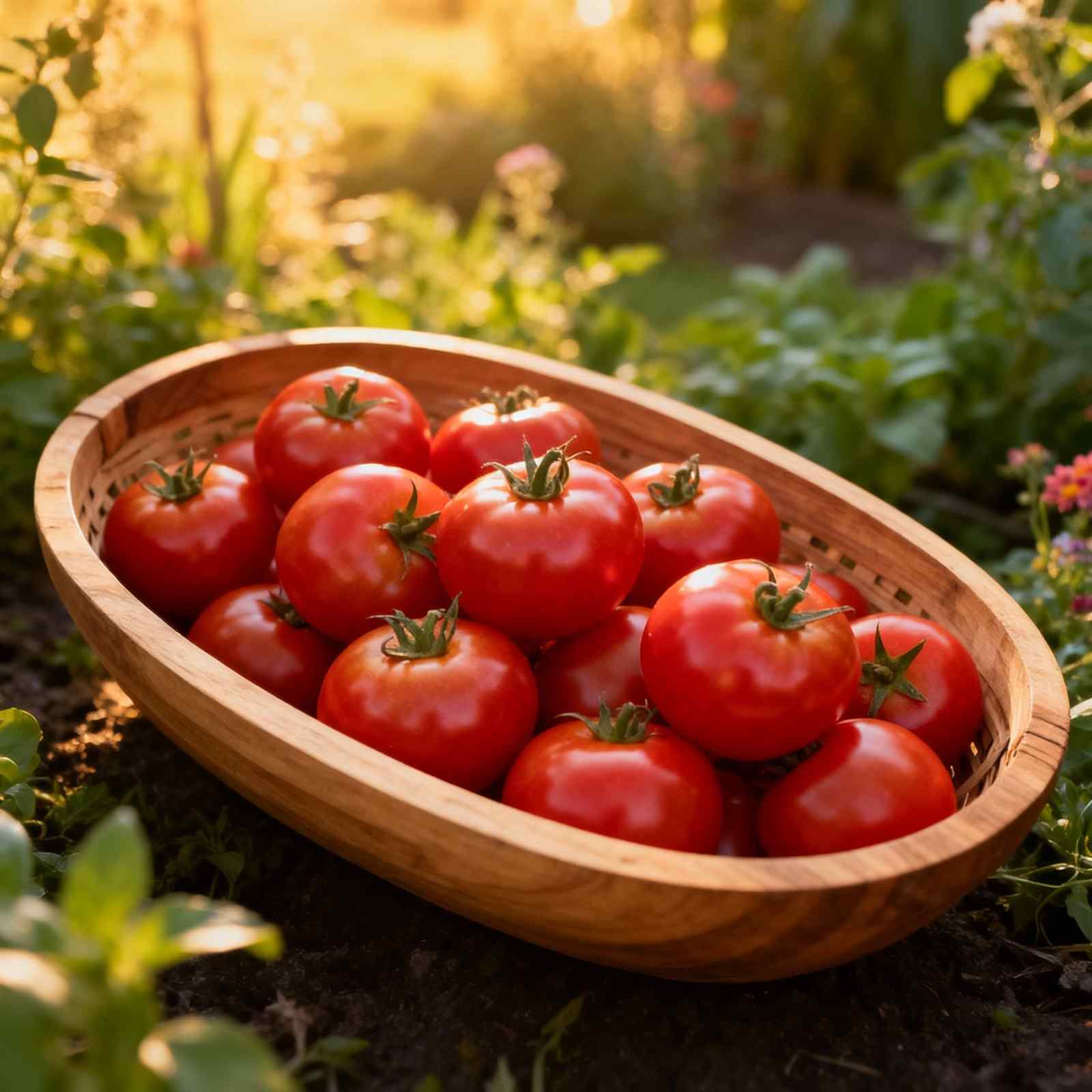
Let’s start by storing it on the counter. It’s a short time, but it’s perfect for enjoying the freshness of tomatoes.
If it’s for less than a week, the kitchen counter is still the best place. Arranging the tomatoes with their stems facing down will allow air to enter through the openings and prevent them from rotting quickly. Store away from direct sunlight and heat sources, ideally between 55°F and 70°F.
Never stack them. One layer is best so you can breathe evenly. If the kitchen is too hot, choose a shady corner or pantry shelf. Some gardeners place tomatoes in shallow baskets lined with cloth. This basket is cushioned and allows air circulation from all sides.
A trick that most people overlook is to separate tomatoes by ripeness. Store almost ripe ones together and fully ripe ones separately. This way you can get the finished ones first without accidentally overripe and softening the others.
If you notice your tomatoes starting to soften sooner than expected, use them in salads or sandwiches right away. One overripe tomato releases ethylene gas, which speeds up the ripening of other tomatoes nearby.
Also read: How to can green beans in a pressure canner?
Refrigerator—when it’s really hot
Refrigerating tomatoes is often controversial. Cold temperatures can cause them to lose their flavor, but if your kitchen is like a sauna, storing them in the refrigerator may help prevent them from spoiling quickly.
Ripe tomatoes should be kept in the refrigerator only when needed, ideally in the crisper drawer in a paper bag. When ready to use, let stand at room temperature for several hours. This restores some of the natural texture and flavor.
The key is knowing when it makes sense to refrigerate. If the temperature consistently rises above 75°F, refrigerating it is less harmful than watching your food turn mushy within two days. Remember to bring it to room temperature before eating it raw. Cold tomatoes will be bland and mealy.
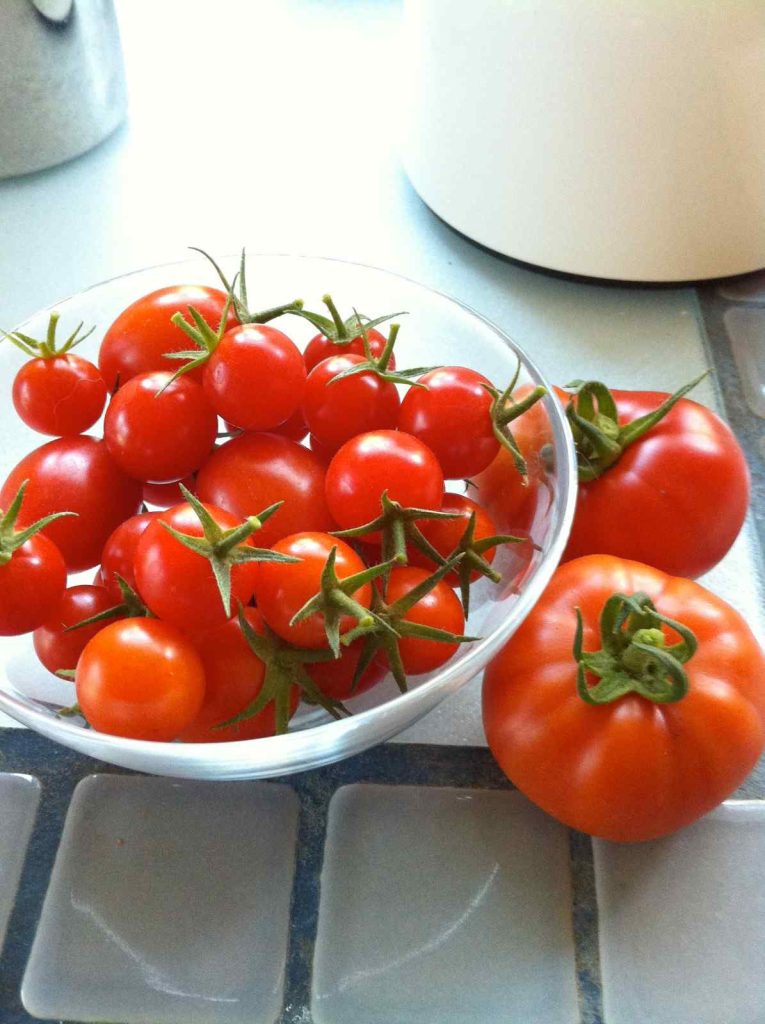
For cherry and grape tomatoes, refrigerating them is slightly more effective as they are often used in prepared dishes. If stored unwashed in a ventilated container, it will keep for nearly two weeks.
Freeze tomatoes for later use
Freezing is best if you have an overflowing harvest. Tomatoes can be frozen whole, chopped, or pureed, depending on how you plan to use them later.
Wash and dry thoroughly. Remove the stem and core. If you want to easily remove the skin, blanch it in boiling water for 30 seconds. The skin will peel off quickly if you put it in an ice bath immediately. For whole tomatoes, first spread them on a baking sheet and freeze them until solid, then transfer them to a bag. This prevents them from clumping together.
Pack into an airtight freezer-safe bag or container, leaving some space at the top. If you’re freezing different varieties, label each bag with the date and variety. Frozen tomatoes lose their firm texture, but are great for sauces, soups, and stews. Store in the freezer for up to 8 months.
When you need it, just take it out and put it in warm water, and the skin will come off easily. Put it directly into the boiling pot without thawing it. This texture is not suitable for fresh salads, but for cooked dishes it is almost as good as fresh.
Canned tomatoes that can be stored for a year

When canned, tomatoes can be stored for several months without losing much of their flavor. It takes a little effort, but it’s effective all winter long.
First, sterilize the jar and lid by boiling for 10 minutes. Peel and chop the tomatoes, or leave them whole if you prefer. To make peeling easier, mark the bottom of each tomato with an X, blanch for 30 seconds, and then place in ice water.
To give it a sour taste and preserve it safely, add lemon juice or citric acid. This step is not necessary, especially with modern low-acid tomato varieties. Use 2 tablespoons of bottled lemon juice per quart jar or 1 tablespoon per pint. Fill jars with tomatoes and seal tightly, leaving 0.5 inch head space.
Treat with boiling water for the recommended amount of time depending on your altitude. At sea level, it takes 40 minutes for a pint and 45 minutes for a quart. Higher altitudes require longer processing times to ensure safety.
Properly canned tomatoes can be stored in a cool, dark pantry for up to a year. Check the seal after 24 hours. The lid should bend downwards and not bend when pressed. Any jars that do not seal properly should be refrigerated immediately and used within a week.
Make tomato puree or sauce
If you cook often, it’s practical to turn leftover tomatoes into purees or sauces. Boiling it concentrates the flavor, so you can season it lightly or leave it plain for later.
Boil the chopped tomatoes until thickened, stirring if necessary, and let cool completely before freezing or canning. To make a thicker sauce, roast the tomatoes with the garlic and onions first. Caramelization adds incredible depth. Purees can be stored in small batches and added directly to curries, soups and pasta dishes.
Ice cube trays are very useful for portion control. Freeze tomato puree in trays, remove cubes and store in freezer bags. Each cube is roughly equivalent to 2 tablespoons, making it a great addition to a single-serving meal.
If you are canning the sauce, keep in mind that it will need to be processed longer than whole tomatoes due to their thickness. To avoid food safety issues, follow tested recipes from trusted sources like the USDA and Ball Canning Guide.
Also read: How do you dry rosemary leaves?
dry the tomatoes
By sun-drying or using a dehydrator, you can turn leftover tomatoes into flavorful tomatoes that can be added back or mixed into dishes later.
Slice the tomatoes thinly, about 1/4 inch thick. Sprinkle lightly with salt, cover with a net and dry in the sun. This may take several days depending on humidity and temperature. Choose a well-ventilated location and bring it indoors at night to avoid moisture from condensation.
If using an oven, set to 57°C to 66°C (135°F to 150°F) and dry slowly until leathery but not brittle. Open the oven door slightly with a wooden spoon to allow moisture to escape. Flip the slices halfway through to dry evenly.
Storing sun-dried tomatoes in an airtight jar with olive oil will enhance the flavor even more. Add herbs such as basil or oregano and sometimes a clove of garlic. It keeps well in the fridge for months and is a great way to make delicious pasta dishes with minimal effort.
To grind into tomato powder, dry until completely crisp, then pulse in a food processor. This powder acts as a flavor enhancer for seasoning soups, stews, and even popcorn.
Preserve green tomatoes from the garden
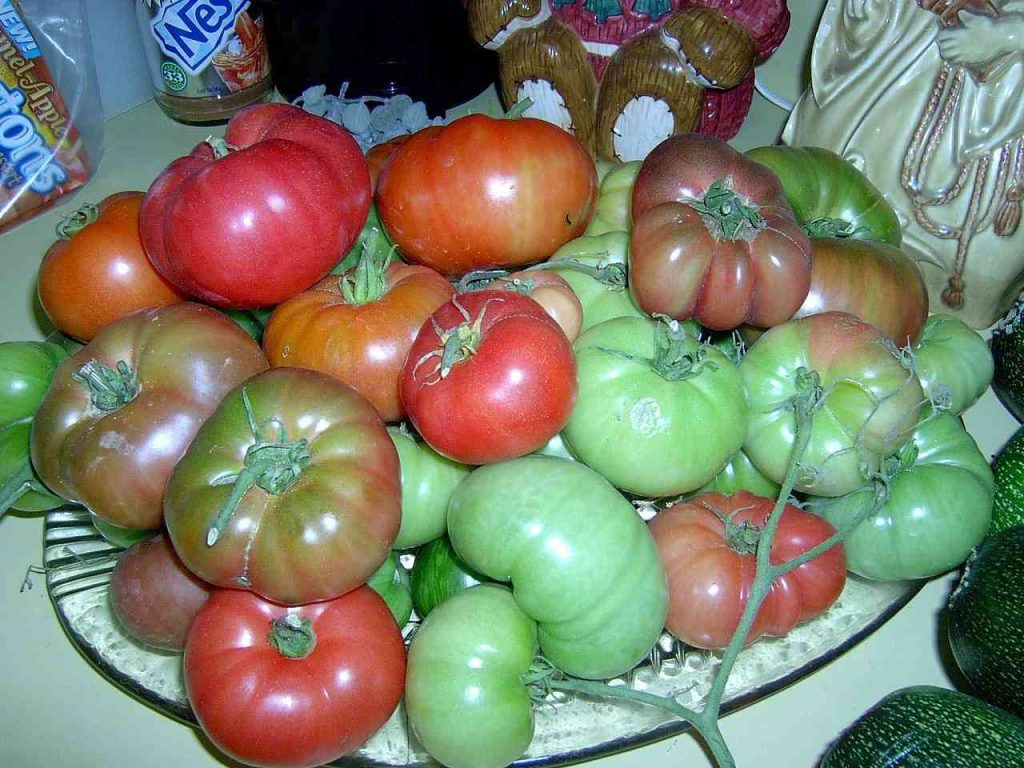
Do you have unripe green tomatoes at the end of the season? Wrap each item in newspaper and store in a single layer in a box or basket. Store in a cool place (approximately 55°F). Please check every few days. Some ripen gradually, allowing you to enjoy fresh tomato drippings slowly even after the frost has passed.
However, not all green tomatoes ripen. Mature green tomatoes (full size but not yet colored) have the best chance. Small ones that don’t fully develop will probably just shrivel up.
Adding ripe bananas or apples to the box releases ethylene gas, which speeds up ripening. Remove any signs of decay immediately to protect others. Some gardeners prefer to pull out the entire plant and hang it upside down in the garage. Tomatoes ripen slowly while attached.
You can also pickle green tomatoes or fry them for a tangy snack. It has a firm texture and acidity that goes well with Southern-style dishes.
Must read: How to store carrots harvested from the garden?
How to preserve tomatoes in olive oil?
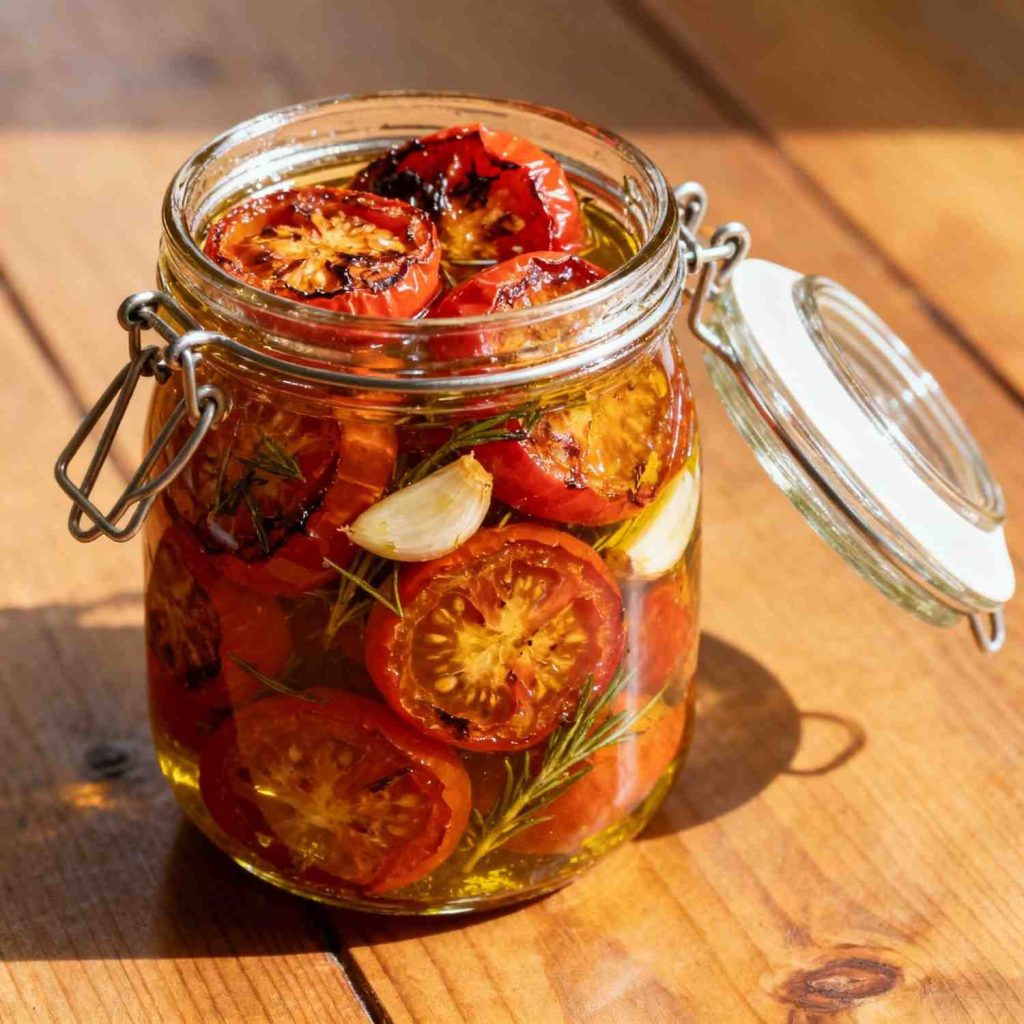
This method is not talked about enough. Roast halved tomatoes with olive oil, garlic, and herbs until slightly caramelized. Pack it into a sterilized jar and pour olive oil over it. The oil infuses the flavor of the tomatoes while preserving them.
These jars can be stored in the refrigerator for up to 2 weeks. Use tomatoes in sandwiches, pasta, or bruschetta. Flavored oils are a great accent for salad dressings and stir-fried vegetables.
Tips and common mistakes to avoid
Do not wash tomatoes before storing unless you are using them immediately. Moisture can cause mold to form, significantly shortening the shelf life.
Don’t store tomatoes with vegetables that emit a lot of ethylene gas, such as potatoes or onions, unless you want them to ripen quickly.
Avoid plastic bags for counter storage. Plastic bags trap moisture and create the perfect environment for spoilage. Ventilated containers or open baskets work better.
When canning, always use recipes that have been tested for proper acid levels. Trying low-acid ingredients can lead to botulism, which is dangerous but preventable.
If freezing, squeeze out any excess air in the bag before sealing it. Less air means less freezer burn and better flavor retention.
conclusion
There is no one-size-fits-all method when it comes to preserving tomatoes from your garden. It depends on how long you want to keep it and how you plan to use it later. For quick meals, freezing is best. Canned food is best for year-round use. If you want something gourmet, preserve it in olive oil or dry it for a rich, concentrated flavor.
The important thing is to treat your tomatoes gently and give them the care they deserve. With a little preparation, you can enjoy the taste of a summer garden even when snow covers the ground. Because, let’s be honest, there are few things better than that first spoonful of homemade tomato sauce in the middle of winter. This is because we use tomato sauce that we harvest ourselves.

Khaja Moinuddin, a computer science graduate, enjoys gardening and homesteading. Join us on this blog where he shares his experiences with home growing, gardening, and composting.