Is there really a career in mindfulness, or is teaching meditation just a hobby?
This is one of the questions I often hear.
And that’s a smart question.
Mindfulness wasn’t a recognized profession 20 years ago. There was no clear roadmap, no structured certification environment, and little institutional adoption.
The environment is very different now.
The use of meditation has more than doubled in the past 20 years. Employers are investing in resilience training. Health systems are formalizing mindfulness-based programs. Schools are seeking to integrate social and emotional learning.
If you haven’t read our broader industry analysis yet, start here.
👉 Growing demand for mindfulness teachers
But the real question remains.
Can you build a sustainable career with mindfulness?
The answer is yes.
But it doesn’t seem like a traditional role.
What is a career in mindfulness actually like?
There are no federal job titles labeled “Mindfulness Teacher.”
Instead, professionals in this field often work under titles such as:
wellness instructor
corporate trainer
behavioral health educator
retreat leader
meditation facilitator
Coach Integrating Mindfulness
Therapists who integrate structured programs
According to US labor data (via O*NET), the broader category “self-help teachers” includes hundreds of thousands of professionals and is expected to continue to grow.
This category covers many areas, but it shows something important.
Paid leadership roles in personal development are established and stable.
Mindfulness fits into that ecosystem.

Is mindfulness growing as a profession?
yes.
The use of meditation among U.S. adults has increased significantly over the past two decades.
The mental wellness economy continues to expand.
Employer surveys show increased investment in employee benefits initiatives.
Healthcare burnout is accelerating the demand for stress reduction and resilience programs.
These macro trends are contributing to the rise in mindfulness work across multiple sectors.
There is no guarantee that you will automatically receive income.
But that means the ecosystem is expanding.
And expanding ecosystems creates opportunities.
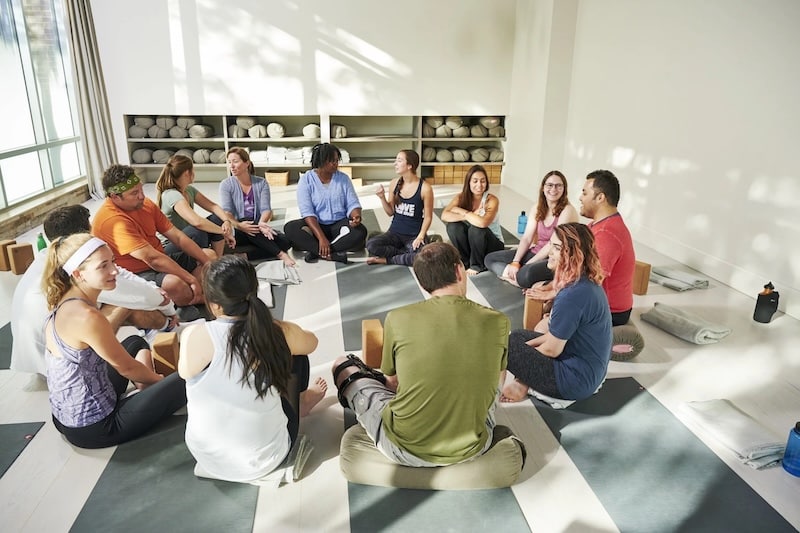
How to become a mindfulness teacher
One of the most searched queries in this field is:
How to become a mindfulness teacher
The route typically includes:
Develop a consistent personal practice
Complete a structured mindfulness instructor training
Learning trauma-informed facilitation
Gain real teaching experience
Define a clear niche or audience
If you’re just starting out, start here: 👉 How to Teach Mindfulness: A Beginner’s Guide
Especially if you are focused on promoting meditation: 👉 How to become a meditation teacher
In most areas, specialized training is not legally required.
However, in mature fields, certification greatly enhances trust.
👉 Explore Mindfulness Teacher Certification
Can you make a full-time career out of mindfulness?
yes.
But it rarely happens overnight.
Most sustainable meditation teacher careers are built through a variety of income sources, including:
Corporate training session
Multi-week group program
set back leadership
Integration into therapy and coaching
Hybrid online cohort
Digital program distribution
If you want to know specific income ranges, do the following:
👉 Mindfulness Teacher Salary Guide
Key insights:
A career in mindfulness is usually something you build, not find.
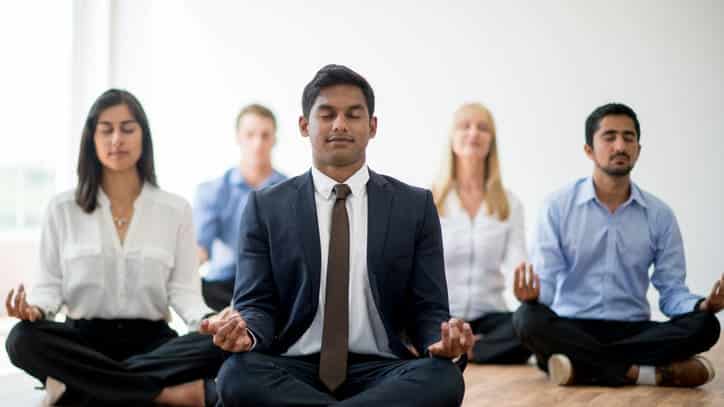
Career Paths in Mindfulness (2026 Outlook)
Based on industry research and first-hand observation from working with thousands of professionals since 2015, we believe the most powerful career paths are:
1. Corporate resilience training
Your organization has increased budgets for:
meditation program at work
Initiatives to prevent burnout syndrome
leadership presence training
If you want insight into how teachers secure organizational contracts, follow these steps:
👉 Sell Mindfulness Teachings to Organizations
Corporate programs are one of the most powerful growth channels.
2. Support for medical professionals
Mindfulness-based interventions are increasingly being used to reduce stress and burnout among healthcare workers.
Understanding the science strengthens your positioning.
👉 How Mindfulness Builds Resilience: Science Explains
Integration in healthcare is on the rise, especially for professionals with structured training.
3. Hybrid online program
The online delivery model greatly improves scalability.
If you plan to teach virtually:
👉 How to teach mindfulness online
The hybrid model allows teachers to reach beyond local markets.
4. Leadership in retreat
Exit facilitation remains viable if supported by:
structured curriculum
Community building
clear positioning
What separates a sustainable career from a casual education?
In my experience, professionals who build lasting careers in mindfulness are:
maintain a consistent personal practice
Develop strong facilitation skills
Understanding trauma sensitivity
Stay within ethical boundaries
Continue professional education
Learn basic business skills
Mindfulness alone will not create a career.
So is professionalism.
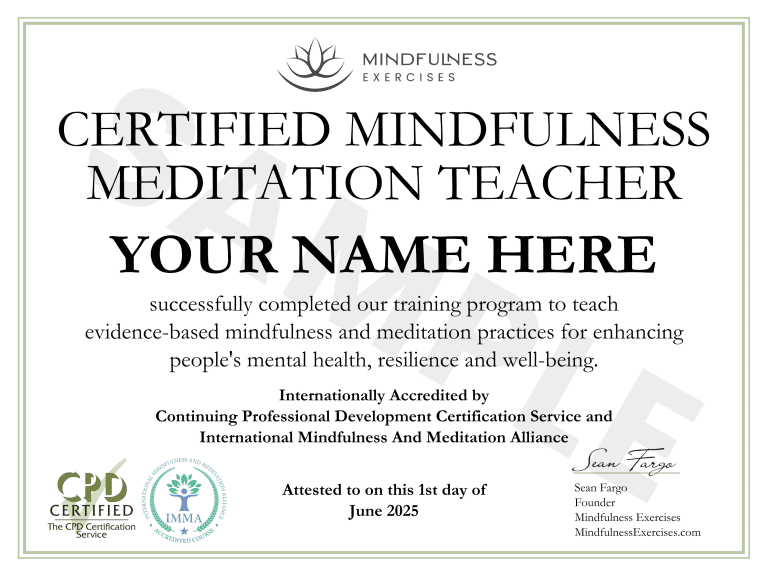
Do I need a certification to build a career in mindfulness?
Legally? Usually not.
Professionally? Increasingly so.
Organizations are now looking for:
What is the training?
Is your program evidence-based?
Do you know about trauma?
Is there a structured curriculum?
Authentication improves:
institutional preparation
Confident in pricing
professional differentiation
ethical clarity
If you’re serious about building a sustainable career with mindfulness:
👉 https://certify.mindfulnessexercise.com/
FAQ
Is mindfulness a growing career field?
yes. The use of meditation continues to grow, health spending is growing, and institutions are investing in structured programs.
Is there actually a job using mindfulness?
yes. However, they are often referred to by titles such as facilitator, wellness instructor, coach, or corporate trainer.
Can I earn a full-time income teaching mindfulness?
yes. It is usually achieved through diversification of income streams built up over time.
Do I need a qualification to teach mindfulness?
Although not necessarily legally required, it is increasingly important for credibility and organizational efforts.

final thoughts
Mindfulness has a real career.
But it’s purposefully constructed.
The industry is expanding.
Demand is increasing.
But sustainable success requires training, positioning, and professionalism.
If you feel called to take responsibility and respond to the request, do the following:
👉 Certify.MindfulnessExercise.com
With mindfulness,