Did you know that a single rosemary plant can live for over 15 years? However, most home gardeners see their plants die within a few months.
The secret that most plant experts won’t tell you is whether your rosemary will actually grow if you leave it alone, but only the right kind of rosemary will grow.
This Mediterranean powerhouse doesn’t want to be spoiled. We want tough love that mimics the rocky cliffs of nature.
Sun Worship: Why Your Rosemary Is Probably Lack of Light
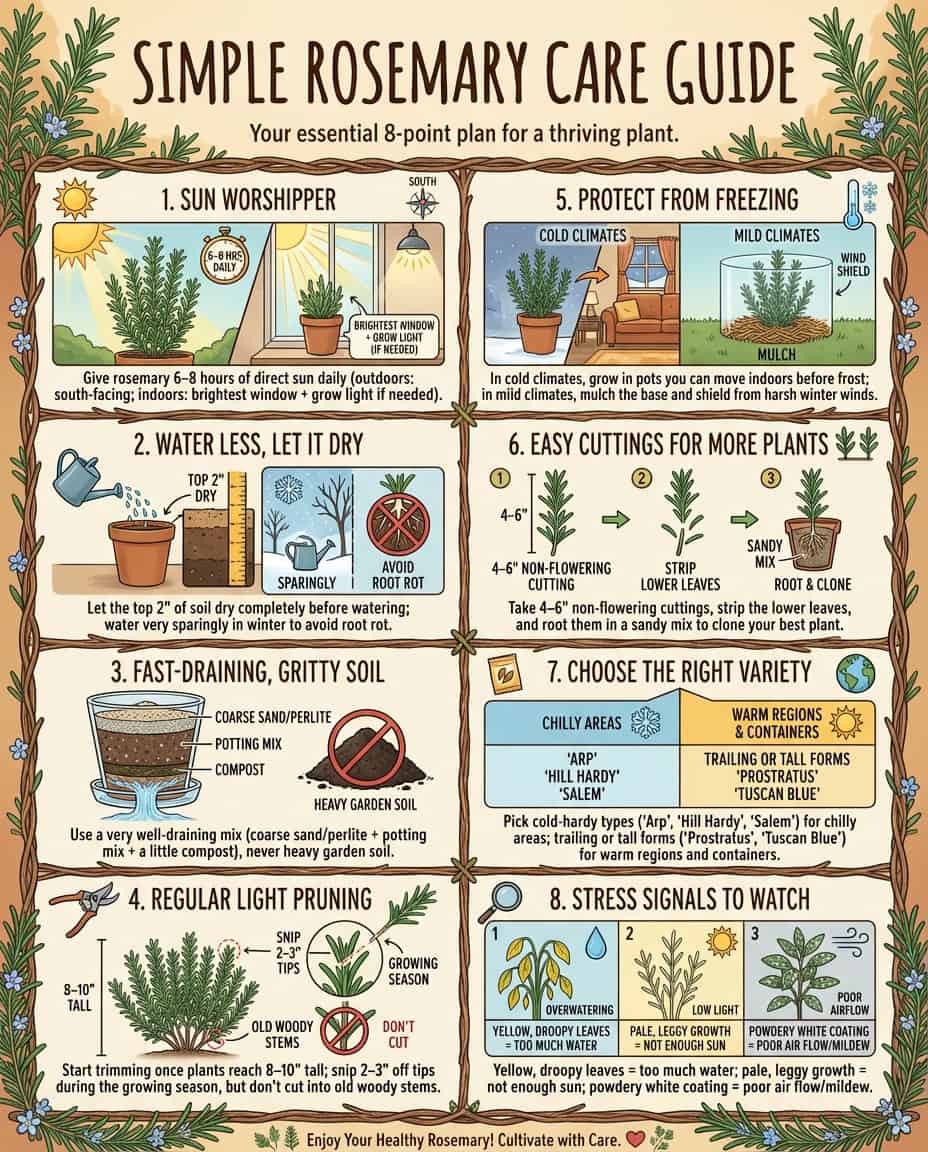
Rosemary doesn’t just love sunlight. It’s crazy about the sun. Like sunbathing plants, they require 6 to 8 hours of direct sunlight each day to produce intensely scented oils.
Less than this and you will grow into a pale, long-legged impostor who will collapse after a week.
Most people make this mistake by treating rosemary like any other herb. But this isn’t about basil. The slightly shaded area is Rosemary’s death sentence.
Outdoor placement: South-facing locations only Indoor care: Sunniest windowsill + supplemental grow light in winter Pro move: Rotate plants weekly to ensure all sides receive equal sun exposure
Are your plants desperately reaching for the light? That’s not growth. It’s a desperate cry for help.
Drowning epidemic: less water, more growth
I was shocked to learn that overwatering kills more rosemary plants than all other causes combined.
These plants evolved in the arid Mediterranean foothills where rain drains instantly. Are you watering your plants every day with good intentions? It’s basically plant torture.
Think of rosemary as the camel of the herbal world. The needle-like leaves are not only beautiful;
These are evolutionary adaptations to conserve water. Your rosemary would rather be thirsty than have wet feet.
Golden Rule: Allow the top 2 inches of soil to dry completely between waterings Winter Schedule: Reduce indoors to once every 2-3 weeks Warning Signs: Yellowing leaves and blackened stems scream “Too Much Love!”
Soil matters: Why dirt in your garden is a death trap
Forget what you heard about rich loamy soils. For Rosemary, it’s like trying to take a nap in a wet sponge.
It’s not fancy fertilizers that make a big difference for rosemary. Drain, drain, drain!
It creates a mixture that panics other plants.
2 parts coarse sand or perlite 2 parts high-quality potting mix 1 part compost (a small amount).
This grainy blend mimics rosemary’s native rocky soil. Add a handful of crushed eggshells and you’ll see a slight increase in pH and watch your plants go from struggling to thriving.
Prune or ruin: the secret to bushy, fruitful plants
When left unpruned, rosemary becomes a woody, sparse shadow of its potential self. The difference between amateur and professional plant parents is simply knowing when to cut.
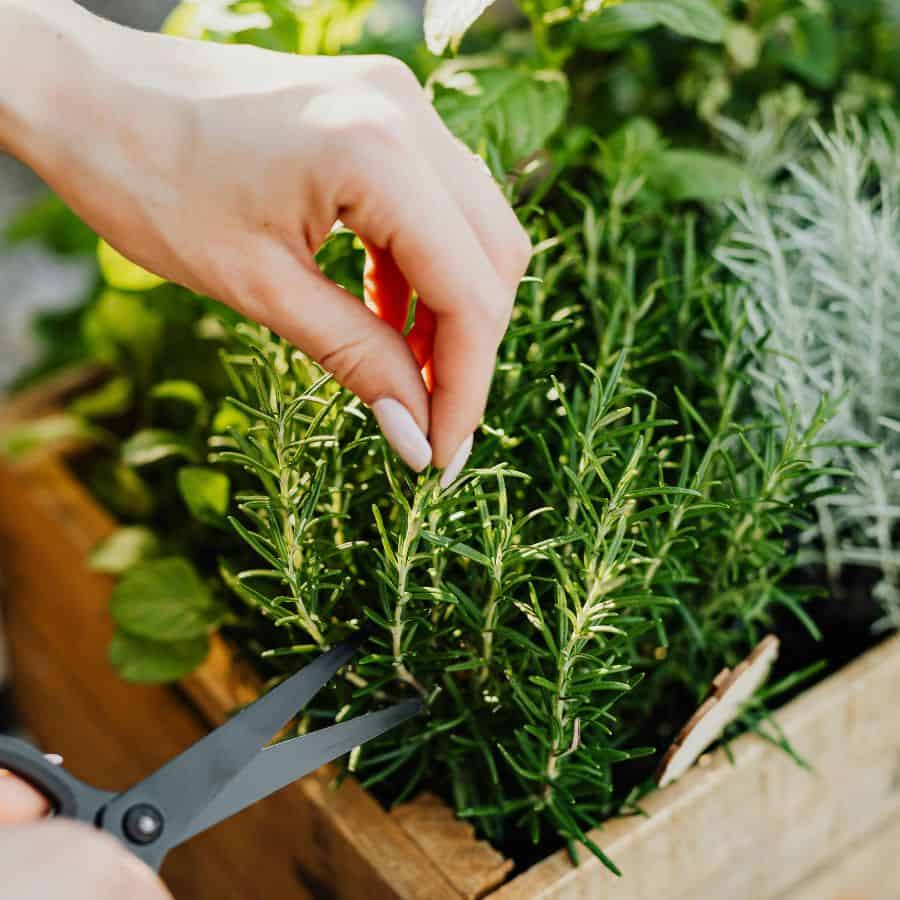
Regular trimming is not just for appearance. This is a biological reset button that causes lush new growth and increases essential oil production. After a good haircut, you can literally smell more rosemary.
Start: Once the plant reaches 8 to 10 inches tall Frequency: Cut 2 to 3 inches from the tip throughout the growing season Never: Cut into old woody stems (will not regrow) After flowering: Gently shape
(Yes, pruning means you have endless amounts of fresh rosemary in your kitchen!)
Winter precautions: Don’t let Jack Frost kill your herbs
Rosemary is hardy, but not immortal. In zones 5-7, these beautiful plants can freeze to death without intervention. Your vibrant herbs are sensitive to sustained sub-zero temperatures.
For cold regions (Zones 5-7):
Grow it in a container that can be moved indoors before the first frost. Near a sunny window, but away from heater vents. Reduce watering, but don’t let the soil dry out completely.
Calm areas (Zones 8-10):
Mulch around the base with pine needles or straw. In times of severe cold, we create windbreaks with linen cloth.
Copy your success: Never buy rosemary again
Did you know that one healthy rosemary plant can grow into dozens? Propagation is not only economical. Keeps rosemary genes young and healthy.
The process is surprisingly easy.
Cut 4- to 6-inch cuttings from healthy stems (no flowers). Remove 2 inches of leaves from the base. Optional: Soak in rooting hormone. Plant in a mixture of sand and perlite, keeping it slightly moist. Wait 3-4 weeks for roots to establish.
If you propagate it every year, you’ll maintain a youthful plant forever, making it the perfect gift for a friend who wonders why their rosemary keeps dying while yours keeps growing.
Choose your champion: not all rosemary is created equal
Your Rosemary is trying to tell you something important. Some varieties simply aren’t suited to your climate.
For cold regions (below 20 degrees Fahrenheit in winter):
“Arp” – Tolerant to 10°F (-12°C) “Hill Hardy” – Compact and resilient “Salem” – Strong flavor despite the cold
For warm regions or containers:
‘Prostratus’ (creeping rosemary) – spectacular cascading nature ‘Tuscan Blue’ – dramatic upright growth ‘Blue Lagoon’ – tolerates coastal conditions
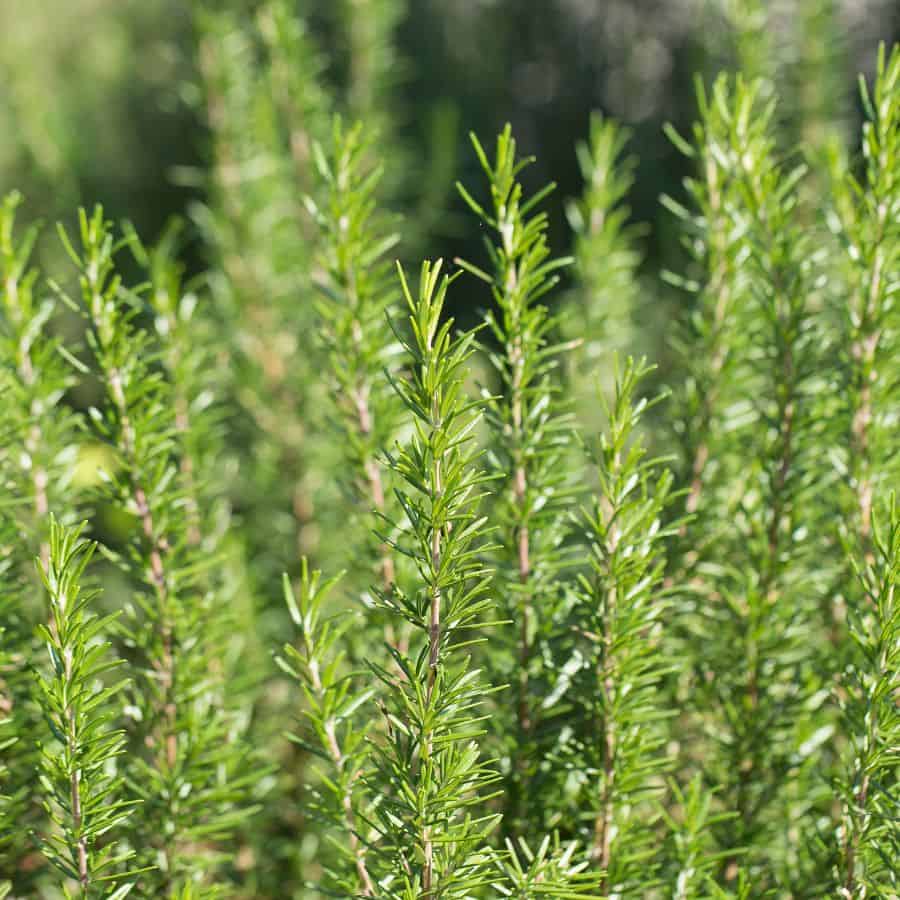
Rescue 911: Troubleshooting the Rosemary Disaster
Even the most neglected of rosemary plants can be revived if you act quickly. Here’s how to decipher what a distressed plant wants.
Yellow leaves + drooping: drown! Dry the soil completely and immediately improve drainage. Pale, weak growth: lack of sunlight or excessive fertilizer. Move to a well-lit area and stop feeding. Powdery white coating: Mold grows due to poor air circulation. Prune to improve air circulation and never mist the leaves. Woody stems and sparse leaves: age and lack of pruning. Trim regularly during the growing season
Remember: It’s better for Rosemary to be a little stressed than spoiled to death. Its Mediterranean heritage allows it to thrive in conditions that would kill other plants.
tough love points
Growing a spectacular long-lived rosemary is not a luxury. It’s about respecting wild nature. Give it a sunny spot with well-drained soil, water sparingly, and mow regularly.
Then step back and watch the rosemary transform into the fragrant evergreen it is meant to be.
The plants that struggle the most often get the most attention.
Rosemary thrives when you channel your inner Mediterranean gardener. Plant it, respect its needs, and leave it mostly alone to bask in the sun.