From avoiding the sun to insect bites, summer requires a little more effort into your skin care routine to keep your skin happy and healthy. Sun safety is one of the often overlooked aspects of health, but it is extremely important for people who spend much of their time outdoors when the sun is at its peak, such as gardeners. Here’s how to stay safe in the sun without cutting back on your gardening time.
As a fair-skinned, freckled gal, I have all the risk factors for skin cancer, including skin cancer, in my immediate family. For me, sun safety is no joke. So I did quite a bit of research on my skin and what would work best for me.
I love being outside gardening and getting my vitamin D, but I’m always conscious of getting some sunlight. Indeed, there is no denying that feeling the sun’s rays directly on your skin fills you with joy and literal warmth, but the moment must be quick and measured.
If you’ve never given much thought to sun safety as a gardener, make this summer the time to change your mind. It’s something we all should talk about more and practice throughout the year.
Here’s what every gardener needs to know about sun safety.
Effects of UV rays on the skin
As we moved from the era of applying baby oil to the Coppertone Girl era, parents everywhere started asking their children, “Do you wear sunscreen?”
We’re all familiar with SPF labels on bottles and know that the higher the number, the more effective the sun protection. However, many sunscreens only protect against UVB rays and not UVA rays. So what exactly is the difference between the two?
UVB rays damage the outer layer of the skin and cause sunburn, while UVA rays penetrate deeper into the skin and cause aging. Both are causes of skin cancer. Ideally, you want protection from both. You may be avoiding sunburn by going outdoors, but prolonged exposure to the sun puts you at risk from UVA rays.
Although some commercially available sunscreens protect against both and are labeled as broad-spectrum sunscreens, they still offer minimal protection against UVA rays. Mineral sunscreens containing zinc oxide are often applied extensively and stay on the skin instead of going into it.
How to protect your skin from the sun naturally
Many months ago, I wrote a blog about sunscreen but never published it. The truth is, I don’t really rely on sunscreen. It protects the top layer of skin, but has less effect on the skin underneath. This means that the underlying damage may still be present.
In fact, a sunburn is a good sign that you’ve been in the sun for too long and need to get outside.
A while back I had low vitamin D levels so I ended up taking supplements. However, after a few months, I still had an upset stomach and didn’t feel very well, so I opted for the safe option of sun exposure instead.
My doctor recommended that I go outside without sunscreen and expose my skin to the sun during cooler months and during cooler parts of the day.
It doesn’t really get that warm here in Vancouver, so I stayed out of the sun from 10am to 3pm in June, July, and August, but getting 15-20 minutes of sun in the morning or evening was fine.
Before I get into details, I should say that I don’t discount skin safety, and I don’t think you should either. It is also important to consult a medical professional about what is best for you and your family.
To be 100% clear, I use sunscreen when I can’t avoid sun exposure. But I try to follow the suggestions below first.
The importance of physical barriers
Many oils and other ingredients can be marked as natural sunscreens, but your best bet is to use a physical barrier. In addition to avoiding the sun completely, physical barriers provide the best protection from the sun’s rays. Anything you put on your skin, like sunscreen, will only block x amount of light rays for x amount of time. Additionally, user errors can cause burns.
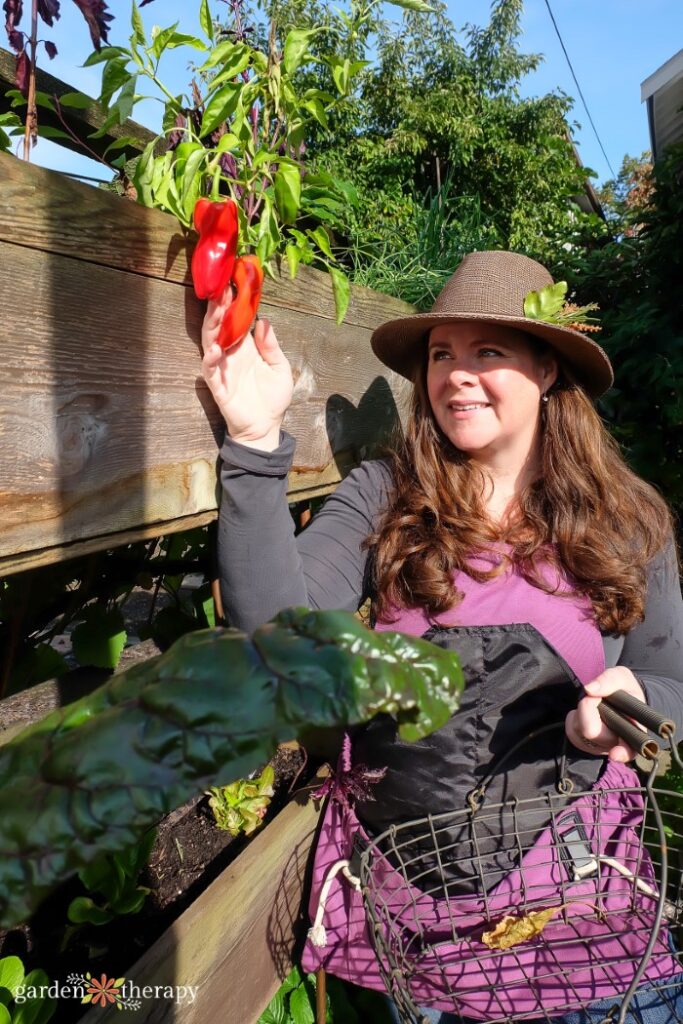
My favorite is a wide-brimmed sun hat that covers the scalp, head, skin, ears, and neck. Wearing UPF clothing is also very helpful, as sunlight does not penetrate through the fabric. Likewise, wear sunglasses that protect you from UV rays. Protecting your eyes from the sun is extremely important, but often forgotten.
Again, be very careful outdoors when the sun is at its strongest. It’s best to soak up the sun’s rays early in the morning or late at night to get a healthy, energizing dose of vitamin D without exposing yourself to harmful rays in the afternoon.
How to stay safe in the sun
In addition to wearing sunscreen when you’re outdoors for long periods of time, there are many ways to protect your skin while in the garden.
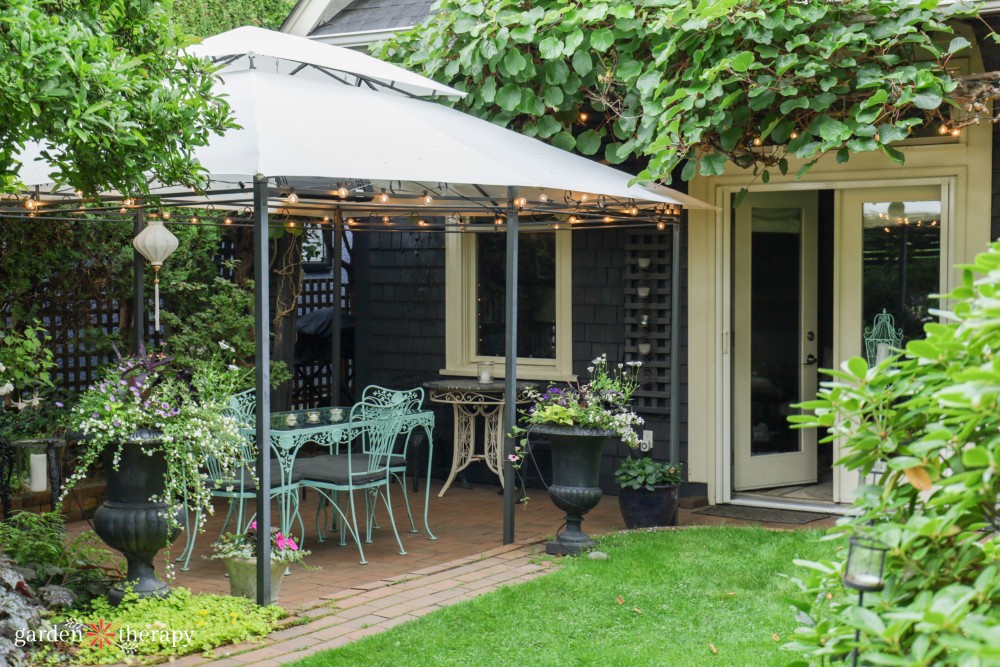
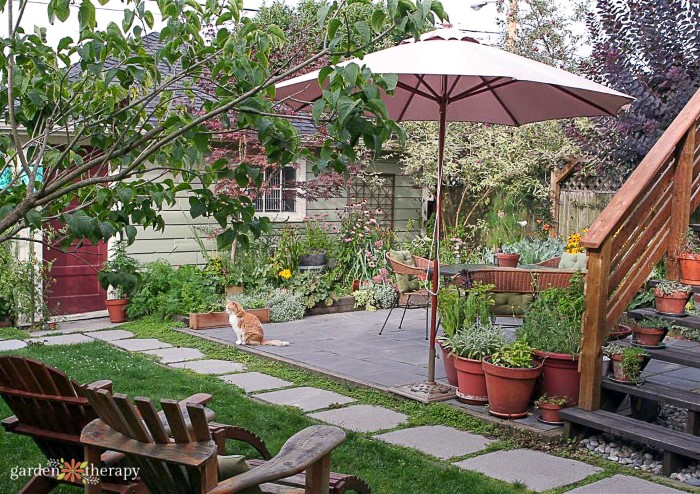
Let’s check the UV index. Just like checking the weather, check the UV index for the day. If it is 3 or more, you need to be especially careful. Avoid the highest peaks of the day. The sun is usually at its strongest from 10am to 3pm. Avoid gardening during this time. The UV index tells you the best time to go out. The safest times to be in the sun are early morning and late afternoon. Wear protective clothing. Wear a wide-brimmed hat that covers your face, ears, scalp, and neck. Don’t forget to wear long sleeves (lightly colored to stay cool) to cover your arms and protect your eyes with UV-blocking sunglasses. Invest in UPF clothing. If you’re going to be outdoors for a very long time, it’s a good idea to buy clothing that has a UV protection factor (UPF) rating. This is the best option for women’s sizes, and this is the best option for men’s sizes. Please work in the shade. Whenever possible, try to protect yourself in a shady area. Umbrellas come in handy in such cases! Please wear sunscreen. Wear a broad-spectrum sunscreen with an SPF of 30 or higher if your skin will be exposed for extended periods of time. Apply sunscreen lip balm. The skin on your lips is very thin and contains very little melanin, so it’s one of the most prone areas for burns. Please stay hydrated. Be sure to drink plenty of water when it’s hot to prevent dehydration and heat stroke.
get inspiration from around the world
Many of our current sun safety measures stem from a variety of long-standing cultural practices.
In ancient China, silk parasols were very popular among the upper class to protect themselves from the sun. I still see many people practicing this. In Southeast Asia, people wore and still wear conical leaf hats.
Indigenous peoples of the Arctic had the first “sunglasses” made of leather, bone, and wood to protect their eyes from snow. Further south, indigenous people used sunflower oil and pine needles as natural sunscreens.
In the Mediterranean region and most parts of Latin America, people take a siesta, nap, or rest when the sun is at its peak. During this period, people stay indoors to protect themselves from the sun.
In my post about SAD, I mentioned that today’s society forces us to live according to a certain timeline rather than following the sun. We are told that midday is one of our most productive times, so we need to get out and run errands. But what if you instead took this time to rest in the shade?
Nourishes the skin after sun exposure
After sun exposure, it’s important to nourish and hydrate your skin. Besides drinking water, which is absolutely necessary, you can also apply lotion to your arms, hands, neck, face, and other areas that may be exposed to the sun.
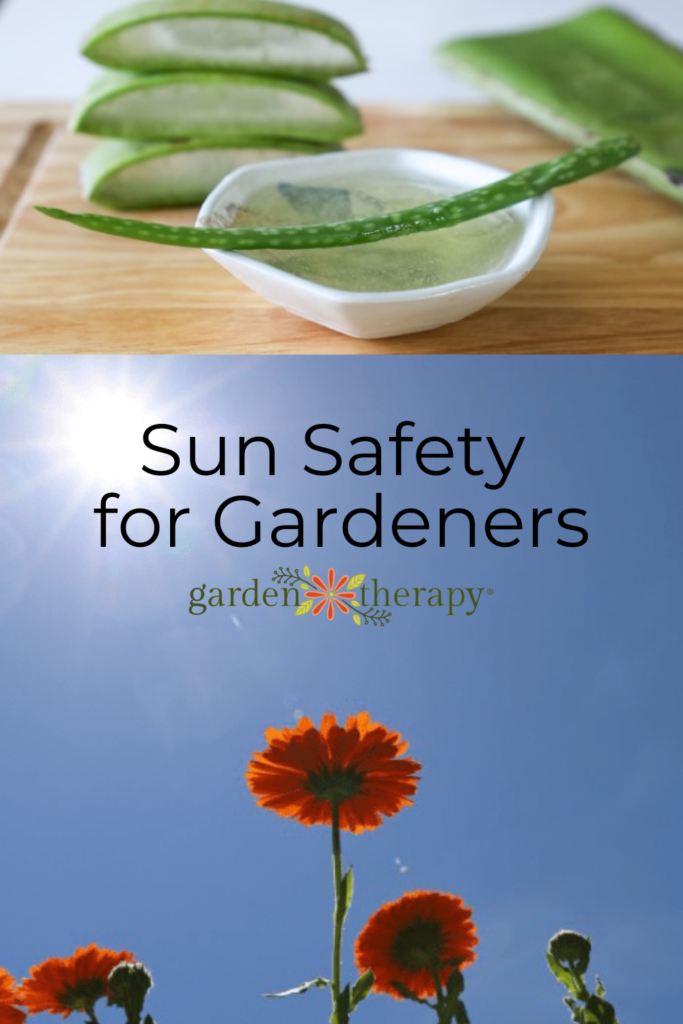
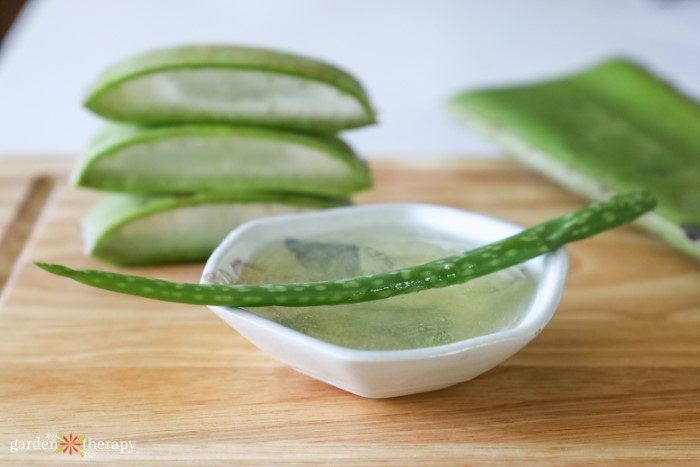
My go-to after a sunburn is an aloe vera ointment recipe. After sun exposure, it can be used to nourish the skin and treat burns. For bad sunburns, I also like to apply fresh aloe vera gel (follow the steps below).
I also love using the Calendula Lotion Bar in the summer. This is because it moisturizes my skin without being too heavy for summer skin. Calendula is known to repair the skin while being extremely gentle and soothing. For sun-kissed lips, apply this soothing after-sun lip balm that also contains calendula.
Sun Safety Frequently Asked Questions
The SPF number tells you how well a sunscreen protects against UVB rays (not UVA rays). This tells you how long it takes for UV rays to redden your skin compared to when you don’t wear sunscreen.
With SPF 50, it takes 50 times longer for UV rays to burn your skin than if you were wearing no sunscreen. Compared to SPF 30, SPF 50 is approximately 2% more effective.
Exposure to the morning or evening sun for 15 to 20 minutes is acceptable without protective equipment.
Daylight hours are from 10 a.m. to 3 p.m. Just like with the weather, check the peak hours of the UV index. If it is 3 or above, you need all kinds of sun protection measures. The safest times to be in the sun are early morning and late afternoon until evening.
After all, you want to take steps to protect your skin by avoiding the sun during peak UV rays, wearing a hat and enjoying the shade whenever possible. Let’s keep your skin happy and healthy together.
More natural sun care tips

A city girl learned gardening and it changed everything. Writer, artist, master gardener. A better life through plants.