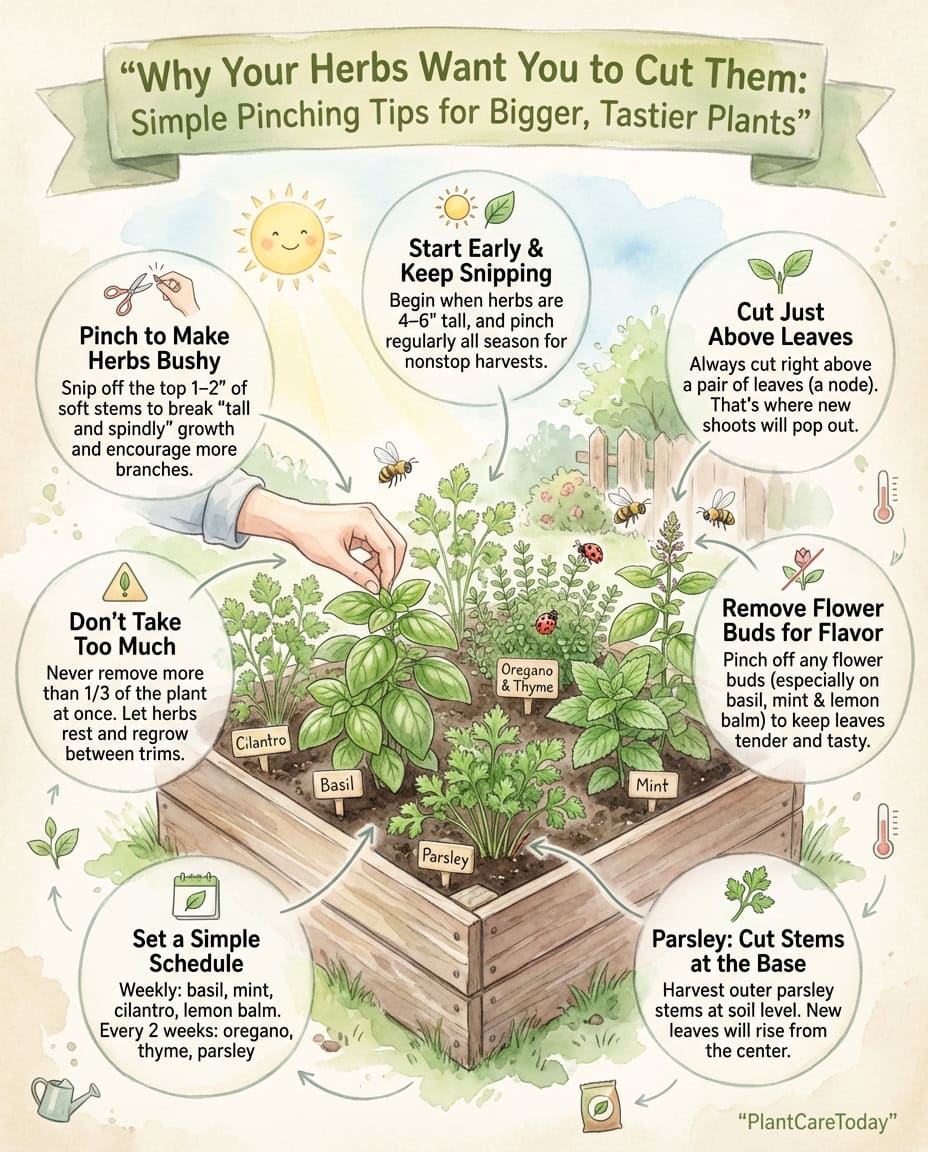
Did you know your herbs are secretly begging for a haircut? I was shocked to discover that herbs that most gardeners handle with kid gloves actually grow better with regular trimming.
Like rebellious teenagers who overcome adversity and grow stronger, these plants transform from incompetent dunces to lush, productive strongmen if you give them enough of a pinch.
Are you ready to unlock the hidden potential of your herb garden?
The magic behind why herbs grow explosively when pinched
Forget what you’ve heard about delicate plants being best treated with gentle care. The secret that most botanical experts won’t tell you is that many herbs resemble gym enthusiasts.
When you are pushed to your limits, you build more muscle.
When you cut away the top growth, you are actually disrupting what is called “apical dominance.” This is the plant equivalent of a dictatorship where the upper buds control everything.
Removal of this controlling influence causes plant activation. response Side shoots appear in dramatic numbers.
This simple act transforms herbs in three innovative ways.
Fuller Growth: Instead of one tall, spindly stem, you get a lush plant with multiple branches. More intense flavor: Younger leaves are packed with more essential oils and aromas Double your yield: More stems = more leaves for your kitchen adventures
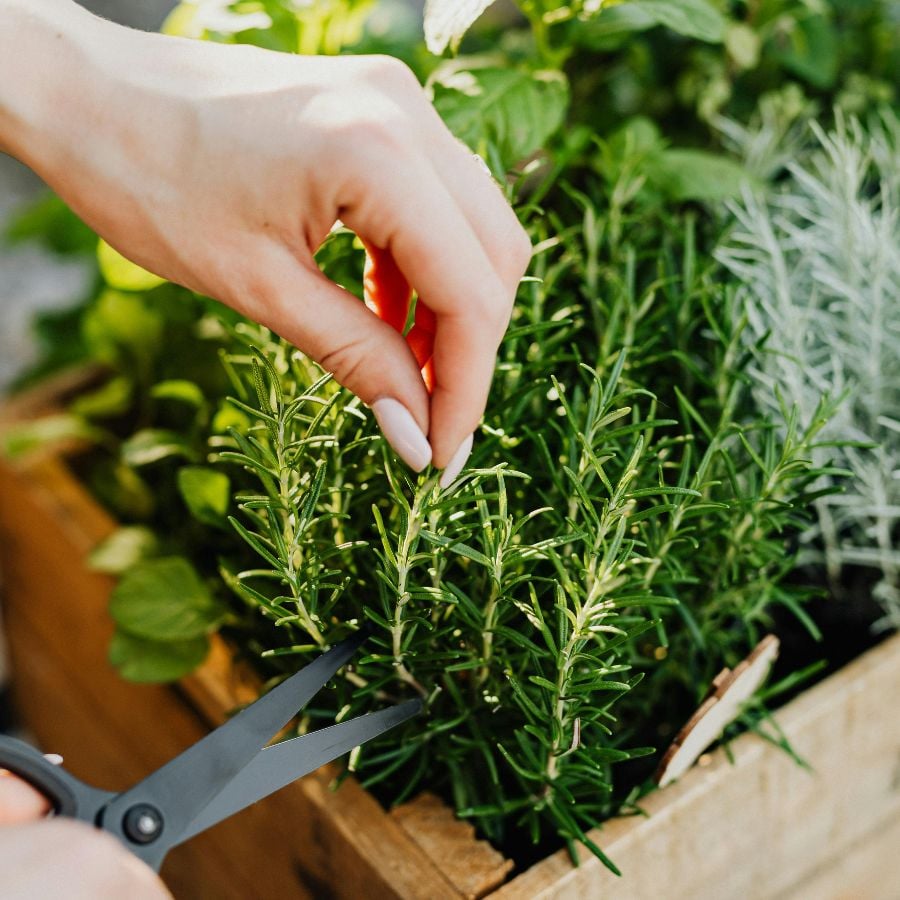
The 30-second pinch technique that will change everything
The only difference between amateur and professional plant parents is knowing where to cut. The crash course includes:
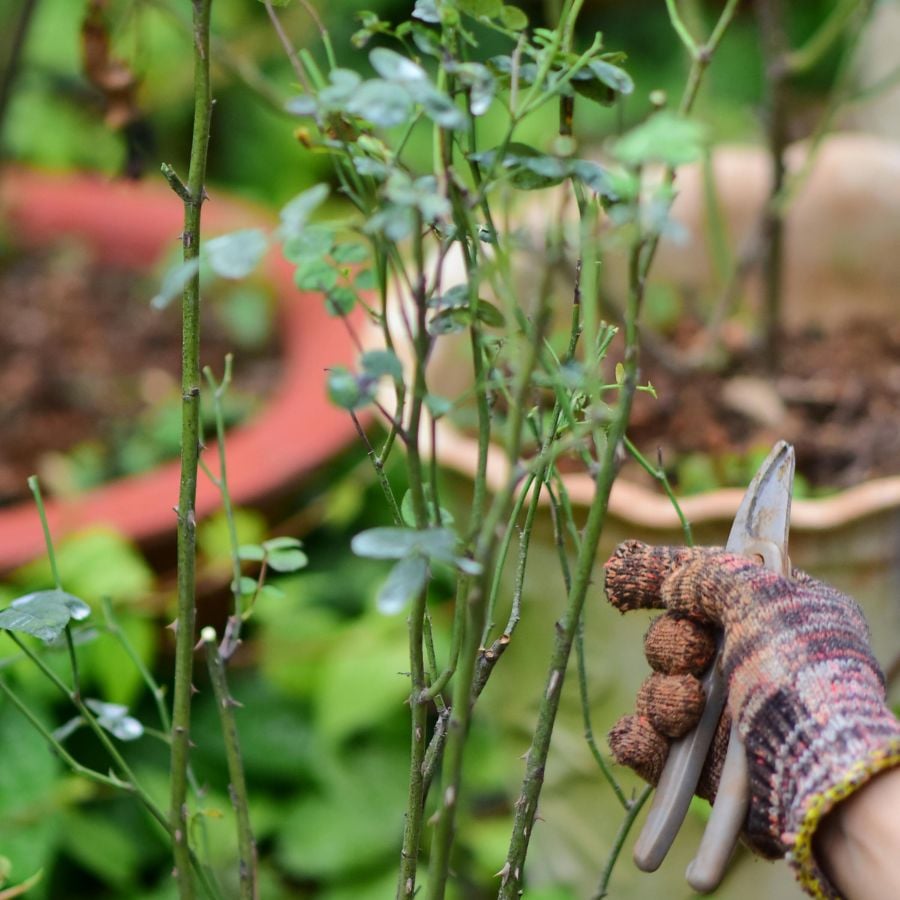
Use your fingers or clean scissors to remove the top 1 to 2 inches of the growth. Always cut just above the leaves (these nodes are the plant’s growth factories). Don’t remove more than a third of the plant at a time (tough love has its limits). Pinch regularly during active growth to ensure a continuous harvest.
Think of it like giving a motivational speech to Herb. Sometimes it takes resoluteness to inspire greatness.
“Trim Me More” All-Star: 7 Herbs That Demand Scissors
1. Basil: The drama queen in a pinch
No herb shows more miracles in pinching than basil. Left alone, they grow tall, leggy and sparse, the botanical equivalent of a bad hair day.
but Once it reaches 6 inches in height, it turns into a spectacular shrub that can be picked weekly and yields twice as much. leaf.
Pro tip: Be sure to remove flower buds immediately. Once the basil flowers bloom, it’s game over when it comes to flavor.
Picking every 5 to 7 days will keep your plants so lush that your neighbors will ask you how you’re doing.
2. Mint: Achiever
Mint grows as if it’s on a mission to conquer your garden (and it really is). Regular picking is less about promoting growth and more about keeping the stems soft and flavorful while preventing world domination.
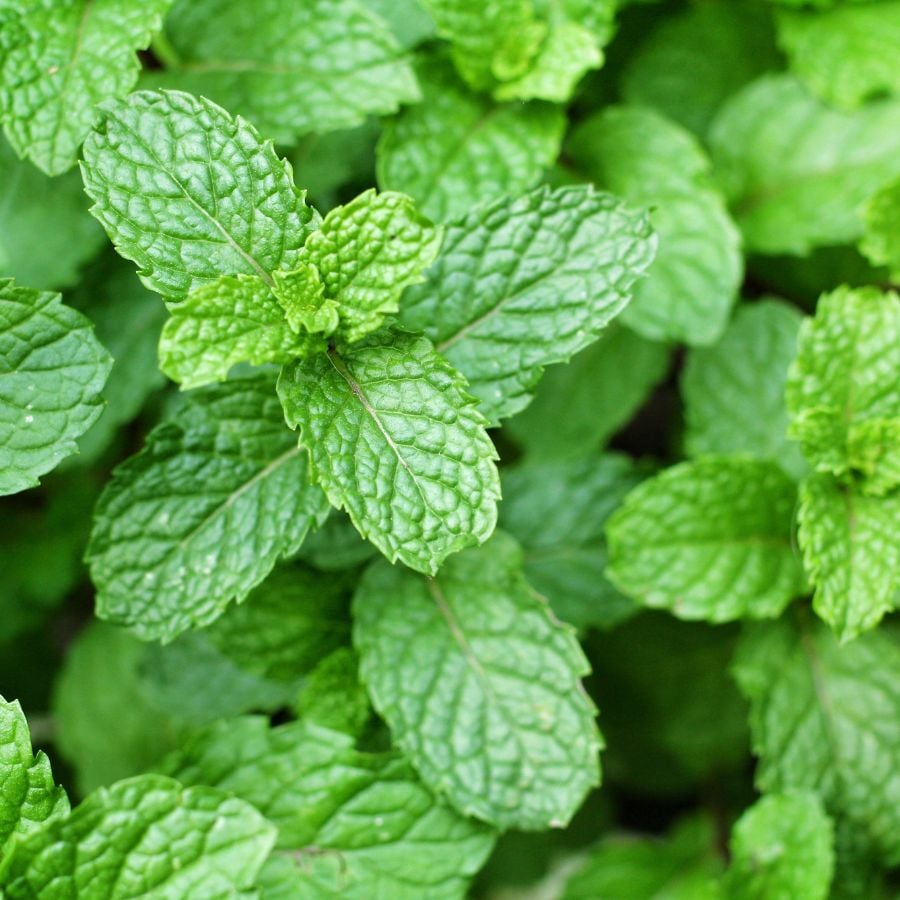
When the stem reaches 6 inches, pinch it back to just above the leaf node and an explosion of new buds will emerge from the base.
Rather than spreading, mint stays compact and produces new buds with a vibrant, strong scent.
3. Oregano: Comeback Champion
Oregano actually sends you a thank you note after a successful trimming.
In a pinch, this Mediterranean tough guy will grow twice as dense and produce more essential oils that give it its signature punch.
Cutting off a few inches of the top every few weeks throughout spring and summer will prevent them from blooming too early and losing flavor.
The more you harvest, the stronger and more flavorful it will become. It’s truly a win-win.
4. Time: Fountain of Youth
Thyme tends to become woody and sparse over the years, as if experiencing a mid-life crisis. Regular picking is a source of youth, keeping it lush, soft and productive.
Once the plant reaches 6 inches in height, avoid woody stems and focus on trimming the fresh green tips (about 0.5 inches).
This promotes dense growth and prevents the “bald” appearance often seen on older thyme plants.
5. Lemon Balm: Fragrance Factory
Your lemon balm is trying to tell you something important: “Cut more!” As a member of the perilla family, it shares the family trait of responding dramatically to harvest.
If you don’t pick them regularly, they will quickly bloom, become leggy, and lose their strong citrus scent.
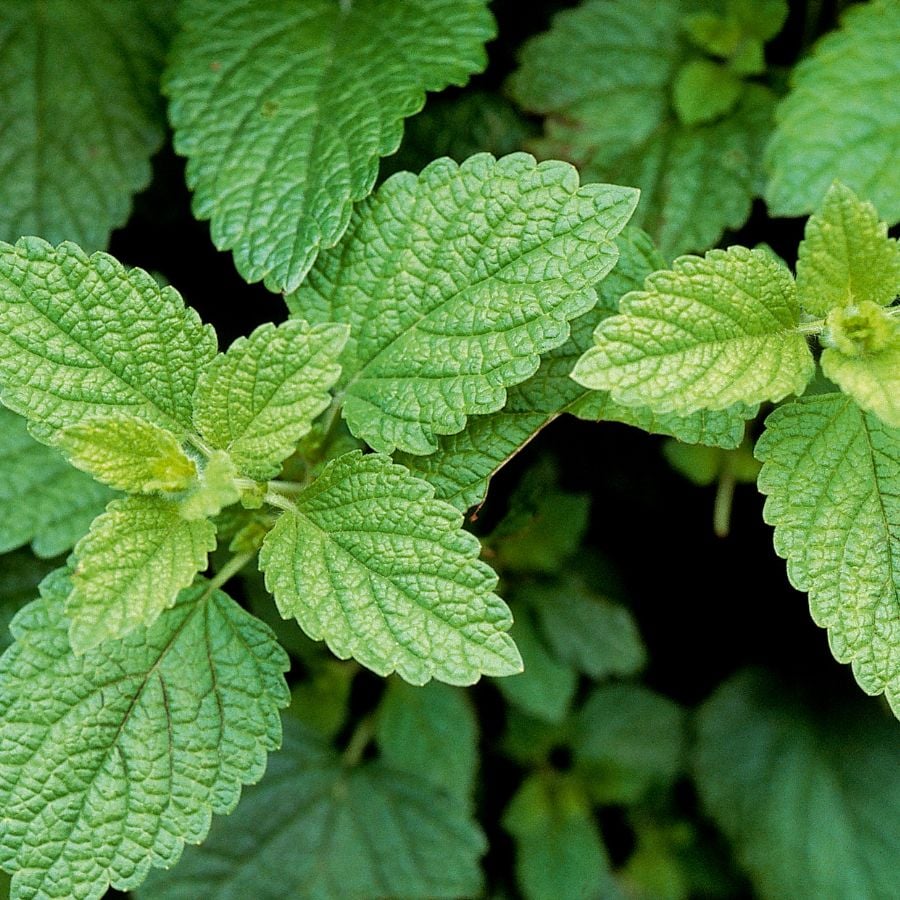
Trimming every two weeks during the growing season will keep the compact lemon-like freshness forever.
Bonus: Picked lemon balm produces leaves that contain about 23% more essential oil than unpicked plants.
6. Coriander: Splinter
Most people make this mistake when it comes to coriander. It takes too long to start harvesting.
This fast voltaic plant competes to produce seeds, but regular pinching will encourage it to remain in the leafy stage longer.
Once the plant reaches 4 to 6 inches in height, begin pinching off the top weekly. If you find a flowering stem, remove it immediately and redirect its energy to producing leaves. Consistent trimming can extend the lifespan of cilantro by up to three weeks.
7. Parsley: An unconventional responder
Although parsley doesn’t follow the same branching rules as other herbs, it still grows well if you trim it. Rather than pinching off the tips, harvest the entire outer stem at soil level from the outside in.
This causes the plant to react as follows. New shoots emerge from the center, creating a continuous cycle of production..
Research shows that regularly harvested parsley plants produce up to 40% more leaves per season than plants that are not pruned.
Frequency of pinching (to the extent that it does not become a nuisance)
Finding the perfect pinch schedule is like dating. Different herbs have different needs.
Weekly warriors: Basil, mint, coriander, and lemon balm thrive with frequent attention Biweekly companions: Oregano, thyme, and parsley do well with biweekly trimming Monthly mentions: Woody herbs like rosemary and sage require less frequent, more gentle trimming
What will transform your herb garden is not what you think. It’s not fancy fertilizer or perfect soil, it’s regular attention from the shears.
Be careful not to remove more than one-third of the plant at a time. Even drama queens need time to recover!
A flavor revolution in your garden
Here’s a breakthrough that most gardeners miss. Regularly picked herbs do more than just multiply. It’s more delicious that way.
When an herb flowers, energy is diverted from leaf production to seed production, greatly reducing the amount of essential oil.
By keeping them constant, Pinch to maintain vegetative growth Peak taste. It’s like capturing a pile of herbs and leaving them there all year long.
Simple truth? Your shears are the secret ingredient to a thriving herb garden. The more you harvest, the more your plants will grow, proving that sometimes tough love produces the best results in gardening.