Sleep is a fundamental aspect of our lives and plays an important role in maintaining physical and mental health. During sleep, our bodies repair and regenerate tissue, build bones and muscles, and strengthen our immune system. However, many of us suffer from sleep disorders that can have a major impact on our quality of life. According to the American Academy of Sleep Medicine, approximately 30% of the general population experiences a sleep disorder, and 10% of adults have a chronic sleep disorder. This blog explains the signs and symptoms of severe sleep disorders, the importance of seeing a doctor, and the various treatments available.
What is a sleep disorder?
Sleep disorders, also known as sleep disorders, are a group of symptoms that affect the quality, duration, and timing of sleep. These disorders can be caused by a variety of factors, including genetics, lifestyle, environment, and underlying medical conditions. Sleep disorders can be divided into several categories:
Insomnia: Difficulty falling asleep, staying asleep, or experiencing unrecoverable sleep Sleep apnea: Stopping breathing during sleep, which can lead to daytime fatigue, high blood pressure, and cardiovascular disease Restless leg syndrome: An uncontrollable urge to move your legs, usually due to unpleasant sensations Narcolepsy: Excessive daytime sleepiness, sudden sleep attacks, and cataplexy (muscle weakness) Circadian rhythm disorders: Irregular sleep-wake cycles. caused by shift work, travel, or genetic predisposition
Signs and symptoms of severe sleep disorders
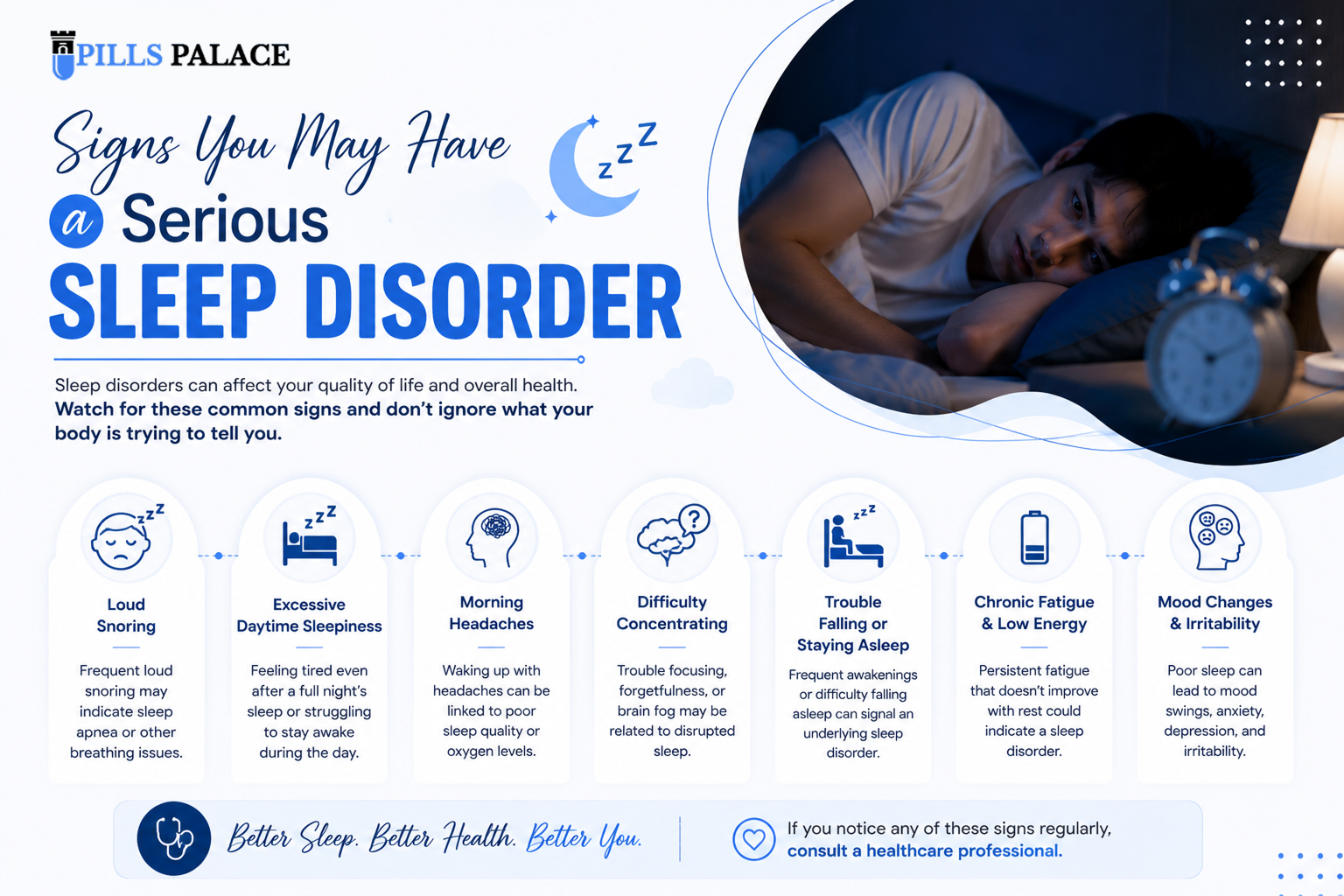
If you are experiencing any of the following signs and symptoms, it may indicate a severe sleep disorder.
Excessive daytime sleepiness: Difficulty staying awake during the day even though you get enough sleep at night Difficulty falling asleep or staying asleep: Difficulty starting or staying asleep, or waking up frequently during the night Snoring or stopping breathing during sleep: Loud snoring, gasping, or choking sounds during sleep can be a sign of sleep apnea Unusual sleeping position or behavior: Sleeping in an abnormal position, such as sleeping on your stomach or with your feet elevated. Abnormal behavior, such as sleepwalking or talking in your sleep Morning headache or fatigue: Waking up with a headache, fatigue, or lightheadedness, which can be a sign of sleep apnea or other sleep disorders Difficulty concentrating or memory problems: Difficulty concentrating, having poor memory, or difficulty learning new information. This can be caused by lack of sleep or sleep disorders Mood changes or irritability: Feeling anxious, depressed, or irritable. May be a sign of a sleep disorder or other underlying medical condition
The importance of seeing a doctor
If you are experiencing any of the above signs and symptoms, it is important to seek medical attention. Sleep disorders can have serious effects on our physical and mental health, including:
Cardiovascular disease: Sleep apnea and other sleep disorders can increase your risk of heart disease, high blood pressure, and stroke Diabetes and metabolic disorders: Lack of sleep can interfere with glucose metabolism and increase your risk of developing insulin resistance and type 2 diabetes Mental health issues: Sleep disorders can contribute to the development of depression, anxiety, and other mental health conditions Accidents and injuries: Excessive daytime sleepiness can increase the risk of accidents, injuries, and death, especially when driving or working with heavy machinery.
Treatment options for sleep disorders
Fortunately, there are a variety of treatment options for sleep disorders, including:
Lifestyle changes: Establishing a consistent sleep schedule, creating an environment that promotes sleep, and avoiding stimulating activities before bed Behavioral therapy: Cognitive behavioral therapy for insomnia (CBT-I), sleep restriction, stimulus control Medication: Prescription medications, such as sedatives, hypnotics, and stimulants, that help regulate sleep and wakefulness Equipment and equipment: Continuous positive airway pressure (CPAP) machines, oral appliances, and other devices to help manage sleep apnea and other sleep disorders Alternative therapies: Stress reduction based on acupuncture, yoga, and mindfulness. Helps promote relaxation and improve sleep quality.
conclusion
Sleep disorders are common and can have a significant impact on our physical and mental health. It is important to seek medical attention if you experience any of the signs and symptoms mentioned in this blog. By working with your health care professional, you can develop a personalized treatment plan that addresses your specific needs and helps you achieve better sleep quality. Remember that sleep is an important aspect of our overall health, and asking for help is the first step to a healthier, happier life.
So don’t ignore these warning signals. Take the first step to better sleep and a healthier life. Talk to a medical professional today and start your journey to restful sleep and rejuvenation.
FAQ
Q: What are the most common sleep disorders? A: The most common sleep disorders include insomnia, sleep apnea, restless leg syndrome, narcolepsy, and circadian rhythm disorders. Q: How can I improve the quality of my sleep? A: Establish a consistent sleep schedule, create an environment conducive to sleep, avoid stimulating activities before bed, and try relaxation techniques such as deep breathing and meditation. Q: What are the effects of lack of sleep? A: Lack of sleep can lead to cardiovascular disease, diabetes, mental health problems, accidents, and injuries.
Note: The HTML code above is a sample and may need to be modified to suit your specific website and needs. Additionally, this content is for informational purposes only and should not be considered medical advice. Please consult your health care professional for personalized advice and treatment.