Understanding the gut-brain axis in holistic practice
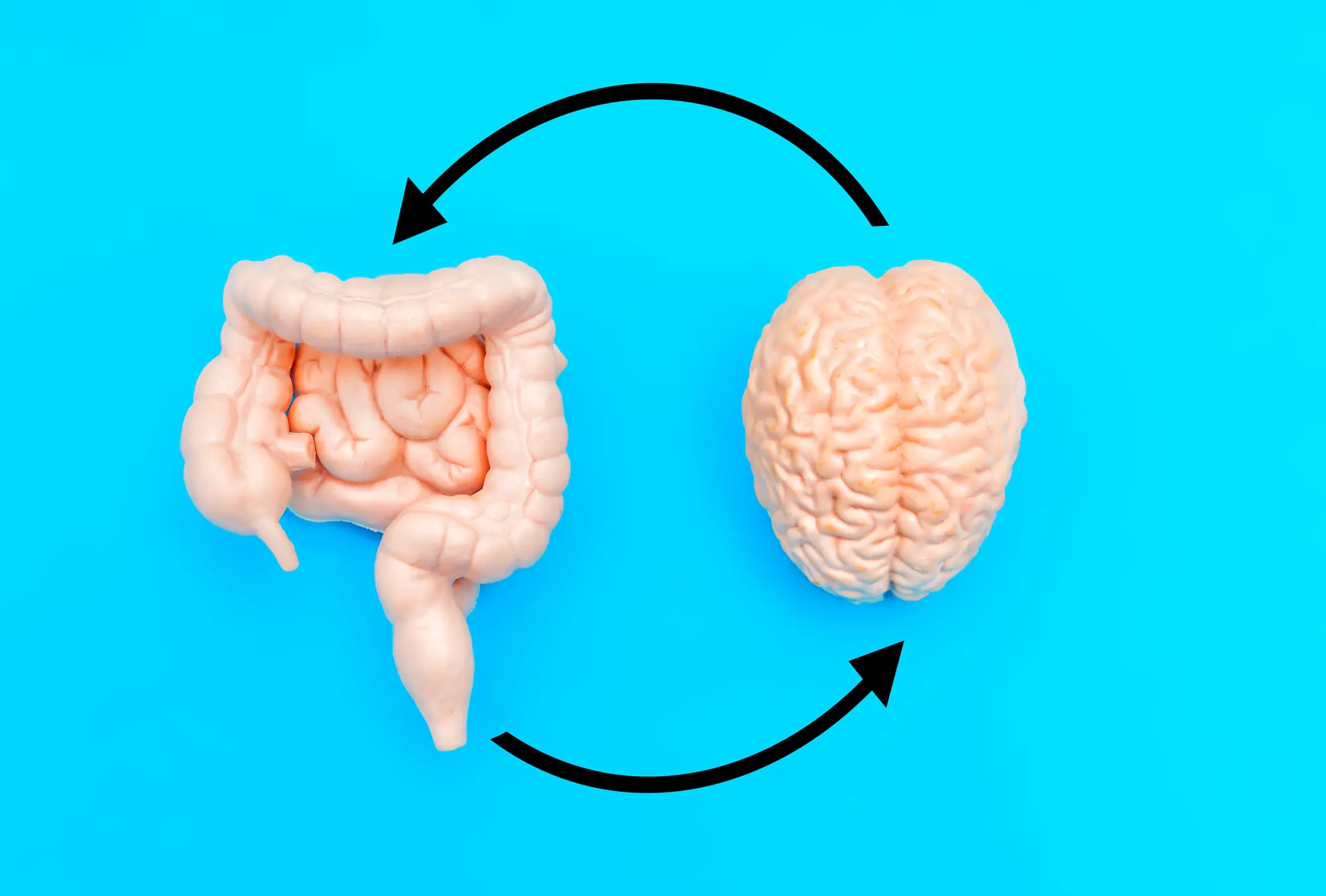
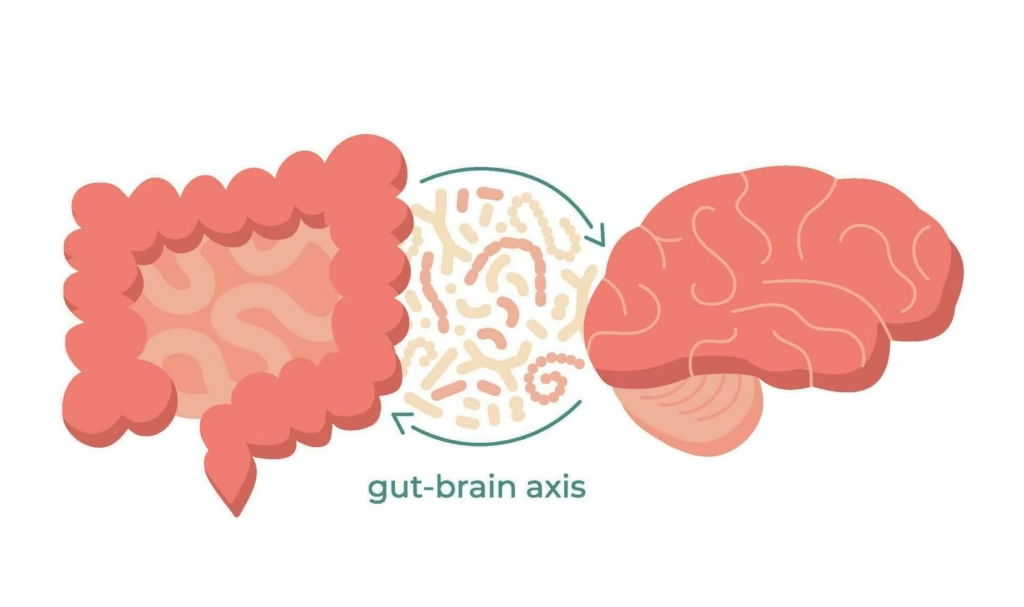
As holistic medical practitioners, we know that mental health is not just a matter of the mind, but is deeply rooted in the body. One of the most powerful and clinically relevant connections is between the gut and the brain, often referred to as the gut-brain axis.
This bidirectional communication system between the central nervous system (CNS) and enteric nervous system (ENS) is regulated by the gut microbiome, a complex ecosystem of bacteria, fungi, and other microorganisms that reside primarily in the colon.
Research supports what holistic treatments have long suspected: gut health is a fundamental pillar of emotional and spiritual well-being.
The role of the microbiome in mood and mental clarity
The gut is often called the “second brain,” and for good reason. The brain produces and controls many of the same neurotransmitters as the brain, including:
Serotonin (approximately 90% produced in the gut) Dopamine Gamma-aminobutyric acid (GABA) Acetylcholine
When the microbiome is out of balance due to stress, poor diet, overuse of antibiotics, inflammation, etc., this neurochemical harmony can be disrupted, leading to symptoms such as:
Anxiety and panic Brain fog and difficulty concentrating Depression and low mood Irritability or emotional instability Sleep problems Fatigue and low energy
How do the gut and brain communicate?
The gut-brain axis involves several communication pathways.
Vagus nerve: key role in transmitting information from the gut to the brain Neurotransmitters: produced by gut microbes and influence brain chemistry Immune signaling: inflammatory cytokines travel to the brain and can affect mood Short-chain fatty acids (SCFAs): byproducts of fiber fermentation that support brain health
This complex system means that supporting your gut health can be a powerful therapeutic approach to improving mental clarity, emotional balance, and resilience from stress.
Signs of gut-brain imbalance
Clients may have a mix of gastrointestinal and psychiatric symptoms, including:
Bloating, gas, IBS Chronic constipation or diarrhea Food sensitivities or leaky gut Anxiety, mood swings, or decreased motivation Reduced stress tolerance or burnout Sugar cravings or appetite dysregulation
As healthcare professionals, we must consider gut health as the root cause when dealing with mental or emotional symptoms.
Comprehensive tools to support the gut-brain axis
1. Probiotic-rich foods and supplements
Why it’s important: Beneficial bacteria such as lactobacilli and bifidobacteria have been shown to reduce anxiety and improve mood.
Recommendations: Fermented foods (sauerkraut, kefir, miso) and targeted probiotic strains based on client’s symptoms.
2. Prebiotics and fiber
Why it matters: Prebiotics like inulin and resistant starch feed beneficial microorganisms and promote SCFA production.
Contains: Garlic, onions, green onions, green bananas, Jerusalem artichokes, and flaxseeds.
3. Reduces intestinal inflammation
Why it matters: Chronic inflammation can damage the intestinal lining and increase neuroinflammation.
Tools: Anti-inflammatory diet, glutamine, omega-3, turmeric, bone broth, food trigger removal.
4. Regulation of the nervous system
Why it matters: Chronic stress disrupts the gut microbiome and digestion through cortisol and vagus nerve dysregulation.
Integrate breathing techniques, meditation, yoga, or physical exercises to restore vagal tone and intestinal motility.
5. Mindful eating
Why it’s important: Eating in a parasympathetic state improves digestion, absorption, and microbial balance.
Tip: Encourage clients to eat slowly, chew well, and eat without screens or multitasking.
6. Addressing underlying infections or dysbiosis
Why it matters: Conditions like Candida overgrowth, SIBO, and H. pylori can disrupt your mental and digestive health.
Customize antimicrobial or rebalancing protocols using gastrointestinal mapping or stool testing.
Incorporating gut and brain healing into your practice
As a holistic practitioner, you can:
Use symptom mapping to link mood issues to gut dysfunction Educate clients in plain language about the gut-brain axis Collaborate with a functional nutritionist or naturopathic physician, if appropriate Incorporate herbal remedies (such as licorice, ginger, and berberine) to soothe and balance the gut Track changes in mental health as the gut heals
The future of mental health is determined by the gut
Emerging science about the gut-brain axis confirms what holistic tradition has long known: healing the gut is the key to healing the mind.
By supporting the health of our clients’ microbiomes, we help them regain emotional balance, hone their mental clarity, and build resilience from the inside out.