Everyone experiences anxiety at some point in their lives, but some of us experience it more regularly and more intensely. It can be incredibly debilitating, causing you to become extremely anxious about things that aren’t worth worrying about, preventing you from doing important tasks, and sometimes even preventing you from achieving your goals in life.
The good news is that anxiety can always be managed, no matter its level. Learning different coping mechanisms and getting the right support can help you break through mental blocks and prevent panic attacks. There is no single treatment that works for everyone. Be prepared to try different methods until you find one that works for you. Here are some anxiety relief techniques worth trying.
Calm your mind by calming your body
Anxiety can be a systemic reaction for some people. Your heart may race, your breathing may become shallow, your muscles may tense, and you may sweat. This is a result of cortisol (the stress hormone) circulating in your body.
Some people find that the mind is connected to the body, and that when you relax your body, your mind follows. There are several ways to encourage your body to relax naturally.
Deep Breathing: This is one of the most popular anxiety relief techniques. This includes practicing slow, deep breathing to slow your heart and stop the release of cortisol, which also slows down your thinking speed. Use the “4 4 6” method. Inhale for 4 seconds, hold your breath for 4 seconds, then slowly exhale for 6 seconds. Gradual muscle relaxation: This is a strategy to relax your muscles and reduce stress. From your toes to your neck, you need to tense and then relax your muscles. This may give you a sense of security. Hot bath: Want to reduce anxiety before bed? A hot bath is an effective way to relax the muscles around your body, releasing endorphins and flushing out cortisol. It’s a good way to deal with insomnia caused by anxiety. Exercise: A brisk walk or a workout at the gym can help relieve stress and clear your mind. This may not be appropriate in all situations.
change the way you talk to yourself
Anxious thoughts tend to focus on negative thoughts. This includes negative thoughts such as “I can’t do this,” “This is going to be a disaster,” “I’ve failed,” and “People think I’m weird/stupid.”
It’s important to learn to be kinder to yourself and more realistic. As soon as you find yourself falling into the abyss of negative thinking, take a mental step back. When you look at the problem in the bigger picture, it becomes clear that it’s not all that bad. Start focusing on solutions and think back to a time when you overcame other challenges. You have this!
change what you consume
What you’re eating or drinking may be negatively impacting your mood. While alcohol may temporarily relieve anxiety, hangovers can often cause hangovers, which can increase feelings of anxiety and make the situation worse. Caffeine, on the other hand, increases alertness and increases the stress you feel. Certain foods can also increase anxiety.
Instead, consider calming solutions when you’re anxious. Herbal teas with ingredients like peppermint and chamomile are great for reducing anxiety. You can also try supplements such as ashwagandha (available in capsules and powder).
Of course, it’s not just what we consume that affects our emotions, but also the media and materials we consume visually and mentally. Scrolling through social media can often increase feelings of inadequacy, FOMO, and paranoia. If you are not feeling well mentally, it is best to avoid these platforms. Instead, consider calming meditation apps, soothing stories, and highly rated self-help books.
calm the senses
When your senses are overwhelmed, you can’t think straight, which can make your anxiety worse. Explore ways to calm your senses by blocking sensory triggers completely or introducing new calming sensory experiences. Possible ways to do this are:
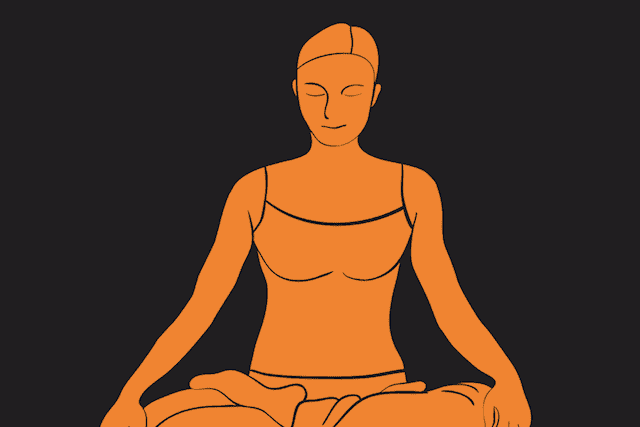
Meditate with your eyes closed Use noise-cancelling headphones to block out background noise (playing slow, calming music can also help) Avoid bright screens and bright lights, opting for soft, warm lighting instead Try aromatherapy with scented candles, essential oils, or bath products
If possible, try to collect your thoughts away from noise and crowded environments. For example, if you have to make an important call you’re worried about, try escaping to a quiet room or car.
Consider professional support
Treatment is often recommended for people who regularly deal with anxiety attacks or constant nagging feelings. It’s important to have someone to open up to. A therapist can listen without judgment and provide coping mechanisms that are right for you.
Consider a therapy service that has experience supporting people with anxiety, such as Evolve Counseling Services. It may be worth a try, even if it’s just for one session (some therapy services offer online counseling if you’re too busy to meet in person).
develop healthy habits
Developing healthy habits and routines provides structure and stability and helps minimize uncertainty. This includes consistently waking up, eating, and going to bed at the same time.
When creating a healthy sleep schedule, aim for at least 7 hours of sleep each night. Establish calming bedroom routines that prepare you for sleep. This includes taking hot baths, avoiding caffeine, and limiting bright screens 30 minutes before bed.
If you lead a sedentary lifestyle, try to include regular exercise every day. Even something as simple as a 15-20 minute walk will get you outside and moving and will make you feel better.
If you live alone, it may be important to incorporate social interaction into your daily routine, whether it’s just talking to someone at a local store or talking on the phone with a friend. Social isolation often increases feelings of anxiety, so make sure you have a plan to stay social.
Want to achieve better health?
Listen to your friends on the Wellness + Wisdom Podcast and unleash your best self with Dr. John Leurance. Founder of MitoZen. Developer of Lumetol Blue™ Bar, a combination of ZEN Spray and Methylene Blue.