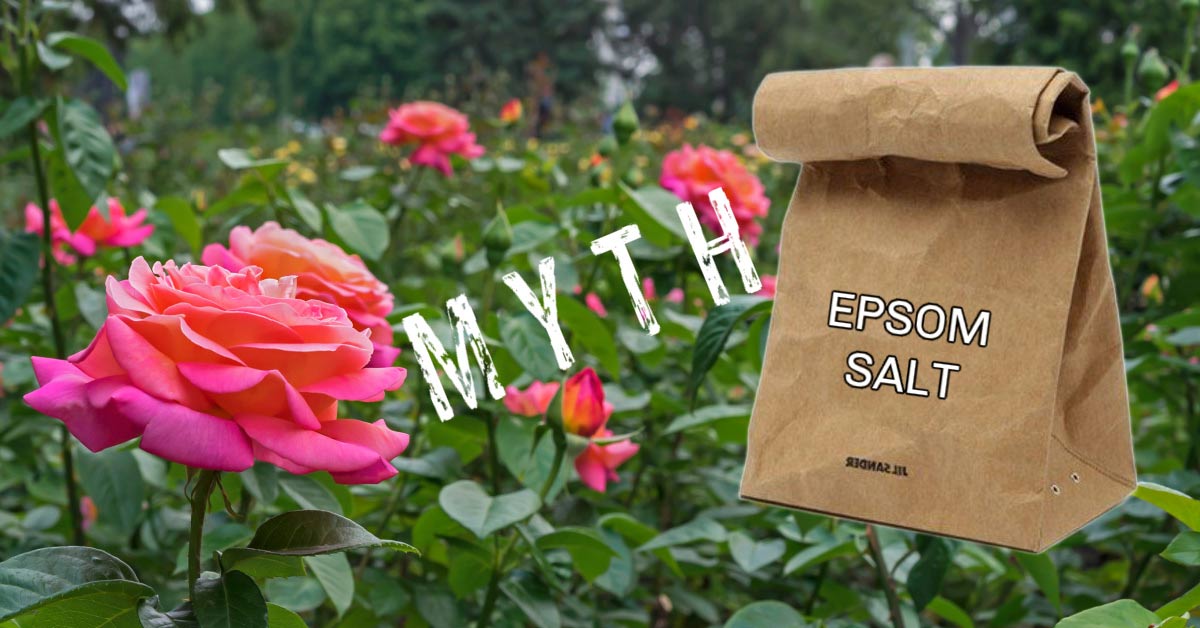
Epsom salt (magnesium sulfate) is often recommended as a plant fertilizer, but home gardeners rarely have enough of it, and too much can have a negative impact on waterways.
This is part of a series on common garden myths, examining well-known garden tips.
Epsom Salt Garden Myths

You’ll hear gardeners shouting about the benefits of Epsom salt (magnesium sulfate) as a solution to almost everything. Brighter flowers, higher vegetable yields, better seed germination, increased nitrogen intake, vitamin production, sweeter tomatoes, pest control, weed control, green leaves, and more.
Now, who wouldn’t want to use something this amazing in their garden?
The only problem is that there is no evidence for this at all. And excess harms waterways.
Dig deep into the facts and spread the word.
content
What is Epsom salt?
Epsom salt is magnesium sulfate. It is a white crystalline water-soluble solid. Formula of household Epsom salt: MgSO4・7H2O
In agriculture, magnesium sulfate is used to correct magnesium deficiency in the soil.
Magnesium is not recommended for home gardening, as deficiency is rare and excess can cause environmental problems.
Is it possible to join online garden forums and not hear Epsom salt recommendations over and over again?
This is a classic case of gardeners spreading anecdotal tips that sound simple and Epsom salt marketers are happy about it, but there’s actually no science behind it.
And it’s easy to debunk that claim.
Yes, Epsom salt adds magnesium and sulfur to your garden. it’s true.
But your garden soil may not be lacking any of these. And this means that the soil and plants do not need it.
period.
It’s basic science.
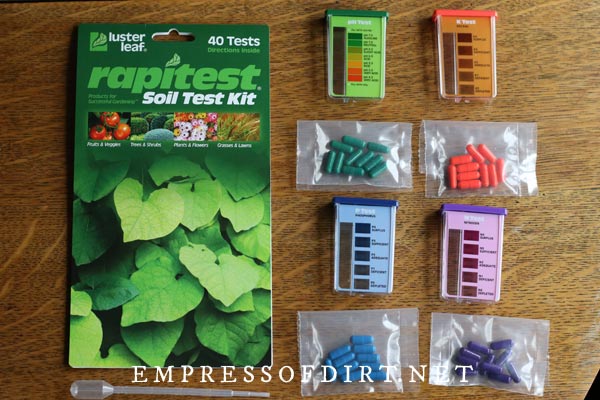
Although it has specific uses in agricultural environments where single crops can severely deplete field magnesium, this does not translate into routine use in home gardens. Since we don’t cultivate as intensively, a soil test can tell if we have low levels of nutrients, including magnesium. Probably not.

Does Epsom salt fertilize plants?
Epsom salt as a fertilizer is very limited. It does not contain nitrogen, phosphorus, and potassium, which are NPKs that are the main nutrients in fertilizer.
Magnesium and sulfur are supplied, but as mentioned above, are rarely in short supply in home garden soils and are not in high demand by plants. Adding more probably won’t help. And it doesn’t cause miraculous growth spurts or fruiting, as many claim.

Is Epsom salt a harmless herbicide?
No, this is also a superstition.
As weed killers, along with dish soap and other household products suggested in countless homemade weed killer recipes online, take a step back and think about what you’re putting into both your garden and the environment.
The only thing the Epsom salt myth does is sell Epsom salt.
Just because it’s in your cupboard doesn’t mean it’s safe, beneficial, or harmless to your garden. And these things don’t have any specific properties that target weeds.
Basically, it’s the same as throwing a bunch of random stuff into your garden and hoping it somehow keeps the problem at bay. Think of it like throwing trash over weeds. All of that has nothing to do with a living, thriving garden.
To me, the Epsom Salt Garden lore is all about selling Epsom salt in bulk.

Why soil testing is useful
If you want to improve your soil, soil testing by a local lab can help determine if there are any defects.
Otherwise, if you continue to feed your garden soil with compost every year, soil quality at the micronutrient level may not be an issue.
Container plants may need fertilizer, and there are many organic products on the market that contain actual nutrients that may be lacking in your potting mix. Epsom salt cannot do this.
environmental concerns
Let’s consider the big picture.
In theory, adding too much Epsom salt could even harm your garden. Excess magnesium can cause deficiencies in other nutrients. Also, because Epsom salt is highly soluble, it can get into groundwater and end up in rivers and lakes, which is bad for the environment.
It may seem trivial to one gardener, but imagine adding Epsom salt to thousands or millions of people. It adds up. Mass farming has shown us that.
And that’s on top of the environmental costs of producing and distributing Epsom salt in the first place. All for something that may not be of any use to your garden.
How about taking a bath with Epsom salt? Put aside the aches and pains and think about where it’s going. This is where it flows from the drain into the water system. Again, it won’t help the ecosystem.
Not what some people want to hear, but that’s the result.

Correlation is not the cause
If you have beautiful roses or great tomatoes, and you added Epsom salt to your soil, it might be easy to convince yourself that that was the culprit.
However, the best evidence we have shows that Epsom salt is not worth the credit you may be giving it.
At least the roses (or tomatoes, etc.) probably worked out nonetheless. This is about the issue of anecdotal evidence, so if you want to read more, go here.
The fact that no researchers have been able to reproduce these results and that professional growers do not use Epsom salt is a big hint that something else contributed to the success.
If you know someone who swears by that, see if they would consider following good care habits for all of their other plants except for Epsom salt. Or at least some parallel tests.
It is fundamental that the right sun, water, air, healthy soil and the plants themselves work in harmony to create optimal growing conditions.
Unless magnesium deficiency is proven (which I know is rare), they can spend their garden money elsewhere and still grow healthy plants.
I would love to have a magic solution or easy answer to everything, but gardening and life have other plans.
The Epsom salt craze is just one of those pesky garden myths that will never go away. I hope that someday the truth will set it free.

resource
listen
read more
~Melissa Empress of Dirt ♛