The luteal phase varies from woman to woman. Some people enter the second half of their cycle feeling calm and productive, while others experience more ups and downs due to hormonal fluctuations. Many people even experience a mix of early luteal phase euphoria followed by PMS symptoms that make you feel like the world is out to get you.
Regardless of what your luteal phase looks like, it’s important to enter your menstrual phase with a plan. This is similar to finding ways to deal with period cramps during your period, feel more grounded when anxious feelings arise, and find ways to eliminate the bloating and constipation that feel inevitable. Supplements can help provide the support you’re looking for.
Best supplements for menstrual period
What we eat during our 28-day cycle can affect our moods, especially during the post-ovulatory phase when our bodies prepare for menstruation. Also, eating foods rich in certain nutrients can relieve some of your menstrual cramps, while supplements can help double your period flow. Introducing the best supplements for menstrual symptoms, including vitamins, minerals, and herbal medicine.
iron
Many people believe that taking iron during their period can help replace blood loss. Although there is not enough research to support this claim, iron helps transport oxygen throughout the body, especially to the lungs. This can help support you, which can feel like your energy levels drop during menstrual bleeding. A lack of iron can also make you feel dizzy during your period. Eating iron-rich foods can help support these effects. Because iron delivers oxygen to the brain, it also helps combat brain fog and improve overall concentration.
2. Vitamin C
Vitamin C is a beneficial nutrient to take during your menstrual cycle because it helps absorb iron. Plant-based iron (also known as dietary iron) is particularly effective, but if you’re taking iron supplements, you can pay more. Taking vitamin C supplements may reduce some of the inflammation that occurs during menstruation.
3. Vitamin B complex
During your period, hormonal fluctuations can make you feel a little, if not more, anxious. Since vitamin B6 increases serotonin, and vitamins B9 and B12 support the production of red blood cells and prevent fatigue, taking a B-complex vitamin can actually help reduce some of these anxious feelings and make you feel more in control.
4. Omega-3 fatty acids
If you’re prone to PMS symptoms, making sure you’re getting enough omega-3 fatty acids may help. Omega-3 fatty acids help reduce inflammation and pain, which can reduce period discomfort such as menstrual cramps. Eating foods rich in omega-3 fatty acids is the best way to get more of these essential nutrients into your body. However, if you need extra help getting it in, fish oil supplements are a great option.
5.Magnesium
Magnesium is known for its muscle-relaxing effects and can also soothe the muscles of the uterus. This helps reduce the severity of cramps during menstruation. Magnesium not only reduces menstrual cramps, but also helps reduce general pain and discomfort during menstruation. This nutrient is also known for its ability to regulate bowel movements, which is beneficial during your period since a surge in progesterone can cause constipation.
6. Vitamin D
Further research is needed on the relationship between vitamin D and the menstrual cycle. However, some of the benefits of vitamin D have a direct impact on menstrual symptoms. Vitamin D is great at reducing inflammation and can help reduce some of the local inflammatory response in the uterus during menstruation. If pregnancy does not occur, progesterone drops to signal menstruation. This drop in progesterone reduces the body’s natural anti-inflammatory response, causing some of the unpleasant menstrual symptoms that many women experience.
7. Fiber
There are many reasons to increase your fiber intake, one of which is that many of us don’t get enough fiber in our diets. However, if you’re concerned about abdominal pain, bloating, or mood swings during your period, increasing your fiber intake (either through food choices or supplementing with HUM Nutrition’s Celery Juice Fiber Gummies or Flat Me Fiber) may help. Fiber helps flush out excess estrogen in the body, which can cause some of these PMS symptoms. Additionally, fiber helps keep you in shape and can combat some of the unpleasant constipation caused by fluctuations in progesterone during the luteal phase.
8. Ginger root
For herbal remedies, consider adding more ginger to your diet, drinking ginger tea, or taking supplements. Ginger is known for its antioxidant properties and reduces inflammation during menstruation. Additionally, it has a calming effect on the gastrointestinal tract, so it may help combat some of the nausea you experience during your menstrual cycle.
takeout
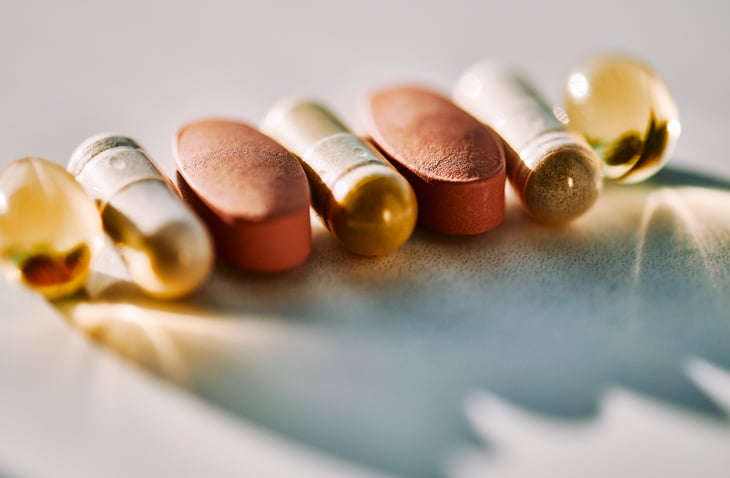
Incorporating foods rich in these nutrients is one of the best ways to improve and support PMS symptoms before and during your menstrual cycle. However, if you need extra support, supplementing with capsules or powders will ensure you’re getting enough iron, vitamin C, fiber, and more.