Best treatment for severe insomnia
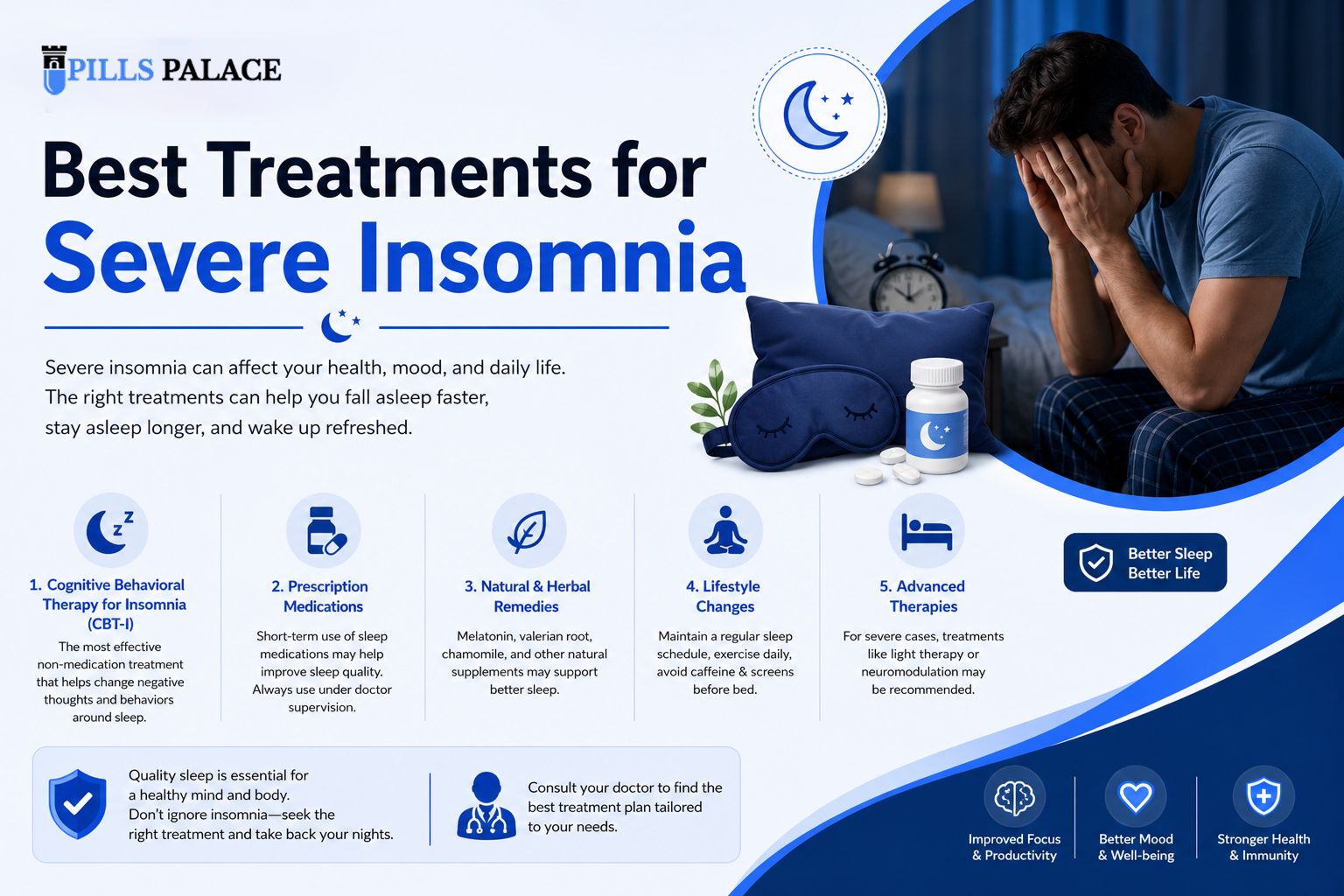
Severe insomnia is a debilitating sleep disorder that can significantly impact a person’s quality of life. Severe insomnia, characterized by chronic difficulty falling asleep, difficulty staying asleep, or poor sleep quality, can cause fatigue, mood disturbances, and reduced productivity. If you suffer from severe insomnia, it is essential to seek professional help and consider the most effective treatment options. This article discusses the best treatments for severe insomnia, including cognitive behavioral therapy, medications, and lifestyle changes.
Cognitive behavioral therapy for insomnia (CBT-I)
Cognitive behavioral therapy for insomnia (CBT-I) is a non-pharmacological approach that addresses the underlying cognitive and behavioral factors contributing to insomnia. This type of therapy helps you identify and change negative sleep habits, thoughts, and behaviors that perpetuate insomnia. CBT-I typically includes:
Creation of a sleep diary to monitor sleep patterns and identify patterns Stimulus control to associate bed with sleep and relaxation Sleep restriction to establish a consistent sleep schedule Relaxation techniques such as progressive muscle relaxation, mindfulness, or deep breathing Cognitive restructuring to challenge and correct negative thoughts and beliefs related to sleep
CBT-I has been shown to be highly effective in treating severe insomnia, with studies demonstrating significant improvements in sleep quality, duration, and latency. This approach is also a good alternative to drug therapy as it is a non-invasive and sustainable solution.
Medications for severe insomnia
In some cases, medications may be needed to manage severe insomnia. However, it is essential to use the drug carefully and under the guidance of a medical professional. Common drugs used to treat insomnia include:
Benzodiazepines such as alprazolam (Xanax) or clonazepam (Klonopin) Non-benzodiazepines such as zolpidem (Ambien) or eszopiclone (Lunesta) Melatonin receptor agonists such as ramelteon (Rozerem) Orexin receptor antagonists such as suvorexant (Belsomra)
It is important to note that drug therapy should only be used for short-term treatment as it can cause dependence, tolerance, and rebound insomnia. Additionally, medications can have side effects such as dizziness, drowsiness, and cognitive impairment, which can affect your daily life.
Lifestyle changes for severe insomnia
In addition to CBT-I and medication, lifestyle changes may also play an important role in managing severe insomnia. Effective changes include:
Establish a consistent sleep schedule and bedtime routine Create a sleep-friendly environment, such as keeping your bedroom dark, quiet, and cool Avoid stimulating activities before bedtime, such as watching TV or using electronic devices Engage in regular physical activity, but not within a few hours of bedtime Practice relaxation methods such as yoga, meditation, and deep breathing Avoid caffeine, nicotine, and heavy meals near bedtime
These lifestyle changes can help regulate your body clock, improve sleep quality, and reduce insomnia symptoms. It is essential to make these changes consistently and in combination with other treatments for optimal results.
Alternative treatments for severe insomnia
In addition to traditional treatments, alternative therapies may also be effective in managing severe insomnia. Some alternatives are:
Acupuncture, which involves the insertion of fine needles into specific pressure points on the body to promote relaxation and sleep, Aromatherapy, which uses essential oils such as lavender and chamomile to promote relaxation and sleep, Massage therapy, which reduces stress and promotes relaxation, Mindfulness-based stress reduction (MBSR), which includes the practice of mindfulness meditation to reduce stress and promote relaxation.
Although these alternative treatments can be effective, it is important to consult a medical professional before adding them to your treatment plan.
conclusion
Severe insomnia is a treatable condition, and with the right combination of treatments, you can experience significant improvements in your sleep quality and overall health. CBT-I, medication, and lifestyle changes are the most effective treatments for severe insomnia, and alternative therapies may also be beneficial. If you suffer from severe insomnia, don’t hesitate to seek professional help and consider these treatment options. With patience, persistence, and the right treatment plan, you can overcome severe insomnia and wake up refreshed, rejuvenated, and energized to face the day.