Most people don’t think about their feet until something goes wrong. You walk on them. sit on them. Stretch after work. They are there, reliable and quiet, and then suddenly they are gone. When circulation problems occur, your legs scream loudly with cramps, swelling, and heaviness, which disrupts your sleep.
Circulation in the legs occurs invisibly. It works in the background while you go about your daily life. Then one night I woke up at 2am with such severe muscle spasms that I could barely stretch my legs. That’s when you start to wonder what’s actually going on there.
gravity problem
Leg circulation faces physics that arm circulation never encounters. Blood flows easily downward through the arteries. When it is returned to the heart, it works against gravity. everytime.
Small valves in the leg veins act as one-way gates. Backflow must be prevented. When these valves become weak, blood pools instead of moving. Pressure builds. Your blood vessels are suffering. Over time, this struggle becomes visible. Swelling will occur. The skin gradually becomes discolored.
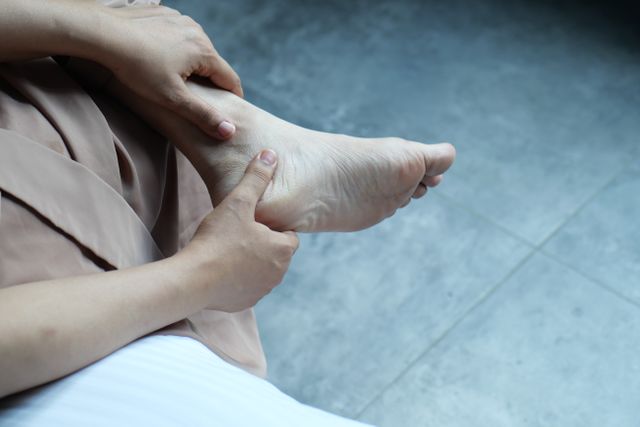
The feet signal pain in different ways. Some people feel heavy in the afternoon. Some people notice that the swelling worsens over time. My feet are cold despite the warm weather. Skin texture changes over time. Many people ignore these signals as normal aging. Most people do not realize that they are circulatory disorders.
sleep reveals weakness
Sleep masks daytime activity. Your body slows down. Blood circulation naturally decreases during rest. If the leg is already damaged, this will cause a crisis.
Muscles become starved of oxygen. Metabolic byproducts accumulate in tissues where they cannot be removed efficiently. My feet respond. Sudden convulsions. strict. it hurts. You wake up at 2 a.m. and wonder what the hell just happened. Nighttime leg cramps require much more attention than most people give them. These are not minor inconveniences or inevitable parts of aging. They indicate that your circulatory system is really suffering. Most people ignore cramps as something they’re just getting along with. That’s where people get it wrong.
A problematic cycle occurs. Disrupted sleep leads to fatigue. Fatigue reduces your activity level the next day. The less you move, the worse your blood circulation will be. The cramps become more intense the next night due to poor circulation. Breaking this pattern requires intentional action.
Why are feet important?
Circulation in the legs does not exist independently from the rest of the body. Energy production depends on adequate oxygen supply to the muscles. Recovery from exercise requires efficient removal of metabolic wastes. Management of inflammation depends on healthy vascular function throughout the system.
When circulation is reduced, your legs don’t get the oxygen they need to function properly. This affects your ability to exercise comfortably. Walking long distances makes me tired. Climbing stairs feels excessive. These limitations add up over time, reducing overall activity and fitness. A negative feedback loop is formed. Activity decreases. Your physical strength will decrease. Circulation becomes even worse.
things that worsen circulation
Several specific factors damage blood flow in the legs. Most can be changed, so it’s important to understand them.
When you sit for long periods of time, the muscles in your legs that naturally pump blood upwards don’t work properly.Excess weight increases venous pressure throughout your lower body.Dehydration thickens your blood, making it difficult to circulate.Inflammatory foods damage blood vessel walls over time.Hormonal fluctuations cause veins to become less elastic at certain life stages.
These factors interact. The combination of sedentary work and poor diet produces different results than either factor alone.
restore circulation
Improvements happen faster than most people expect. Movement truly restores circulation to your legs. walk. Climb the stairs. Working standing up. Leg muscles act as a second heart. When activated, it propels blood upward against gravity.
The higher the level, the faster the symptoms will be relieved. Lie down for 15 minutes with your legs elevated above your heart. Fluids flow back toward the torso. Swelling is noticeably reduced. Blood that has collected in the legs is drained out of the pool. Hydration directly affects blood viscosity. Thick blood moves slowly. Water improves the flow properties of the entire circulation system. Improving your diet supports blood vessel health. Foods rich in antioxidants protect blood vessel walls. Minerals such as magnesium reduce the frequency of cramps.
FAQ
How severe are nighttime leg cramps?
Cramps occur to most people from time to time. Frequent cramps indicate a circulatory problem that deserves medical evaluation.
Can circulatory problems be reversed?
If you make consistent lifestyle changes, you will see significant improvements within a few weeks. Full recovery depends on severity and duration.
Does aging impede improvement?
No, age naturally affects blood vessel function. Lifestyle modifications can be effective at any age.