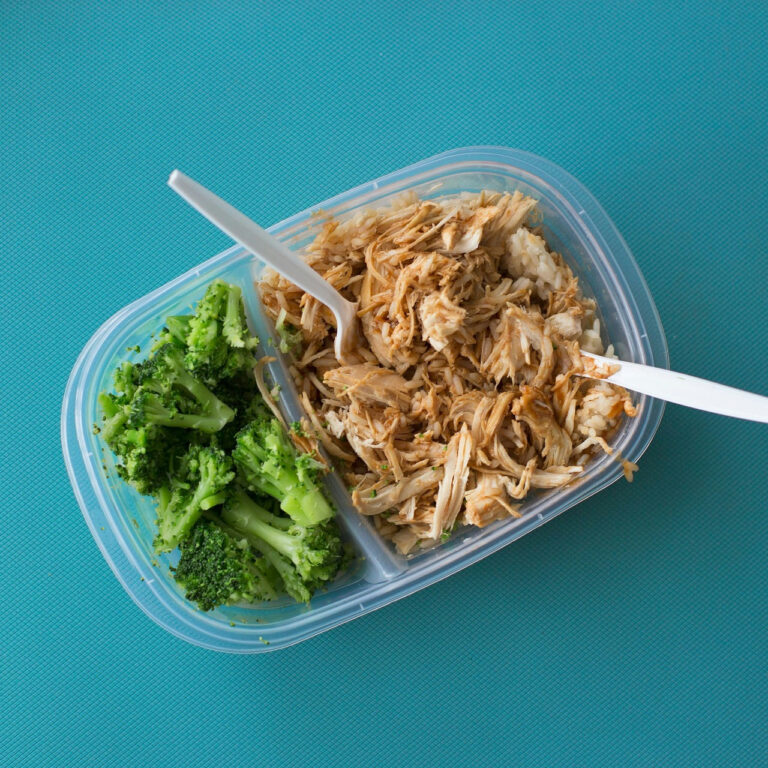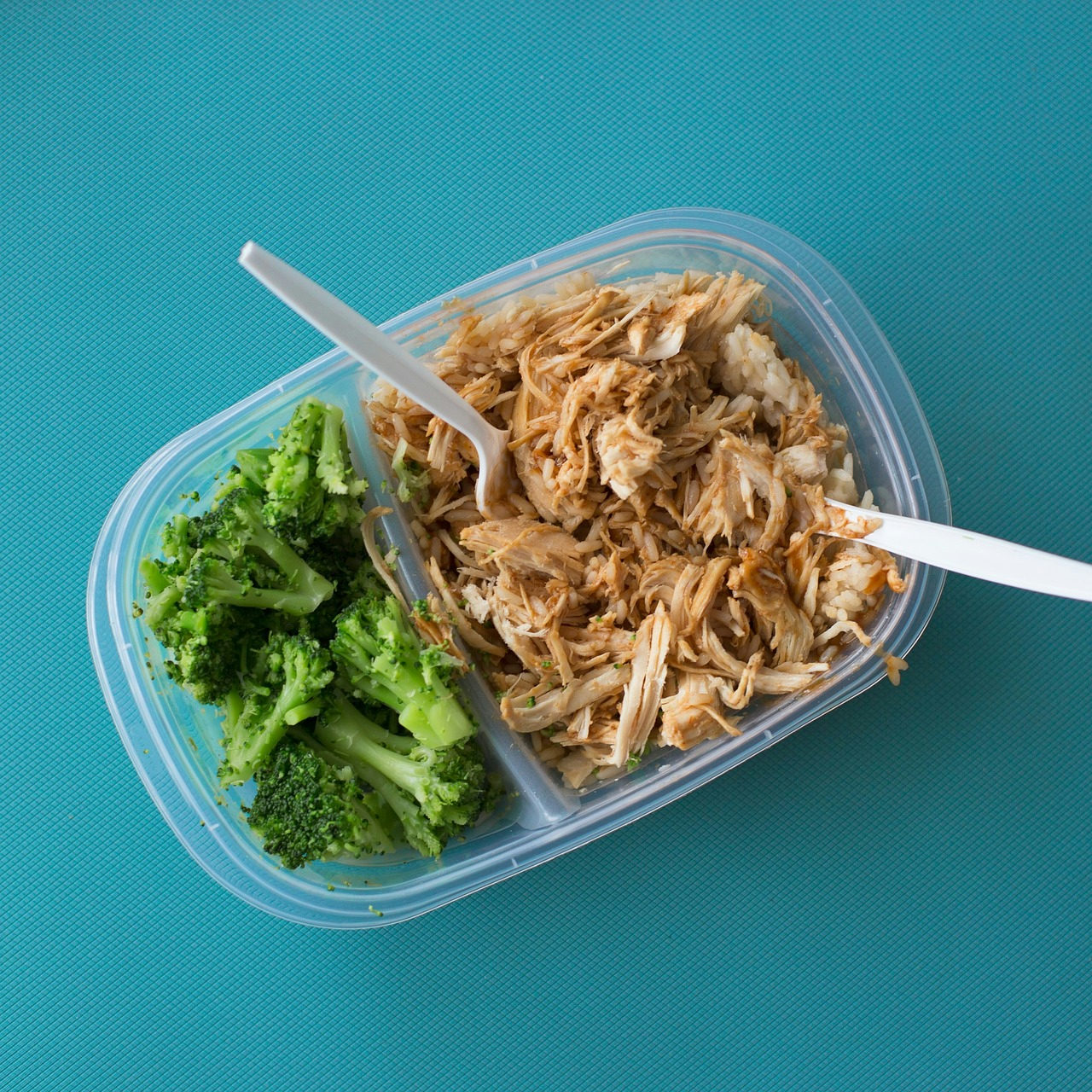
Weekly meal planning for beginners gets easier once you know where to start: three dinners you already know how to make. In this guide you will pick those dinners, build one grocery list around them and plan for leftovers, using the filled-in example below as your template.
This is general information, not medical advice or dietary advice. Talk to your doctor or a registered dietitian about your own needs, especially if you have a health condition, take medication, are pregnant or are changing how you eat.
The short answer
Plan three dinners, not seven. Build your grocery list from those three meals, grouped by store section. Decide in advance where leftovers will go, and keep one flexible night for a simple fallback meal. Use the USDA MyPlate guidance as a loose picture for each dinner: vegetables and fruit, a grain and a protein.
Step by step
-
Check what you already have. Open the fridge, freezer and cupboard and write down what needs using first. Vegetables that are starting to soften, an open bag of rice or a can of beans can each anchor a meal. Starting here may reduce waste and keep the shopping list short.
A quick way to do this is to take a photo of each shelf before you plan. You can look at the photos while you write the list instead of opening the fridge again. Many people find a small whiteboard or sticky note on the fridge, listing what needs using first, makes this step take only a minute.
-
Count the nights you will really cook. Look at the week ahead and mark the evenings when you will be home and have time. Most beginners find three cooking nights is realistic. Mark your busiest night too, because that is where the quickest meal belongs.
Be generous with yourself here. If you usually cook twice a week, plan two dinners, not five. A plan that matches your real week is more likely to work than one built for an ideal week, and you can add a night later once the routine feels comfortable.
-
Pick three dinners you already know. Choose familiar meals so the first plan feels easy. For example: sheet-pan chicken with roasted vegetables and rice on Monday, lentil and vegetable soup with whole grain bread on Wednesday, and an egg and vegetable stir fry over noodles on Friday. Swap in vegetarian or cultural favourites as you like.
Familiar meals matter because you already know the steps, the timing and roughly what to buy. Trying new recipes is worth doing, but many beginners find it easier to add one new recipe a week once the basic routine is working, rather than starting with three unfamiliar dishes at once.
-
Check each dinner against the plate picture. Does each one include some vegetables or fruit, a grain and a protein? If one is missing a vegetable, add a simple side such as a green salad or frozen peas. This is a loose guide, not a rule, and not every meal has to match it.
If you are short on time, frozen vegetables, canned beans and quick-cooking grains such as couscous or oats can help a dinner fit the picture without extra prep. Many people find that looking at balance across the whole week, rather than meal by meal, takes the pressure off.
-
Write the grocery list by store section. List the ingredients for each dinner, cross off what you already have, then group the rest: produce, grains and bread, proteins, dairy or alternatives, frozen and cupboard. Grouping may make shopping quicker and helps you spot doubles. Add a couple of breakfast and lunch basics such as oats, fruit and bread.
If you shop online, many stores let you save a list and reuse it, which may save time in later weeks. If budget is tight, check store brands, seasonal produce and dried beans or lentils, which often stretch further than ready-made options.
-
Plan where the leftovers go. For each dinner, decide whether extra portions become tomorrow’s lunch, a second dinner or go in the freezer. Soups, chilli and sheet-pan dinners often stretch well. Label containers with the date so you know what to use first, and chill leftovers promptly as described in FoodSafety.gov’s four steps to food safety.
Planning leftovers on purpose turns one cooking session into two or three meals. A pot of soup on Wednesday can cover Thursday’s dinner and Friday’s lunch, which means fewer nights at the stove and less chance of takeaway by default.
-
Choose one fallback meal. Pick something you can make from the cupboard in a few minutes, such as eggs on toast with frozen vegetables or a can of beans with rice. Keep the ingredients on hand. On a night when the plan falls apart, the fallback keeps dinner simple.
A fallback is not a failure of the plan. It is part of the plan, there to catch the busy or tired nights that happen to everyone. Knowing it is ready may make the rest of the week feel less fragile.
-
Put the plan where you will see it. Write the three dinners, the leftover nights and the fallback on a note on the fridge or in your phone. Here is the filled-in template from the example above: Monday, sheet-pan chicken, vegetables and rice. Tuesday, Monday’s leftovers. Wednesday, lentil soup with bread. Thursday, soup leftovers or fallback. Friday, egg and vegetable stir fry. Weekend, flexible.
Seeing the plan each day may remind you to take something out of the freezer the night before or to start the rice early. If you share a home, putting the plan where everyone can see it may also cut down the daily question of what is for dinner.
-
Review the week and adjust. At the weekend, note which meals were easy, which ingredients went unused and which night felt rushed. Keep the meals that worked, swap anything nobody enjoyed and move the quickest meal to the busiest night. After a few weeks, you may have a small rotation of favourites that makes the next plan almost write itself. Small adjustments like these add up over time.
What to check
Run this checklist on your plan before you shop:
- The number of planned dinners matches the nights you will really cook.
- The quickest dinner sits on your busiest night.
- Each dinner has some vegetables or fruit, a grain and a protein, or you are happy with the exceptions.
- You have crossed off what is already in the fridge, freezer and cupboard.
- Every dinner has a plan for leftovers, and there is one flexible night.
- Allergies, dislikes and foods anyone avoids are covered.
- The grocery list is grouped by store section.
- The fallback meal ingredients are on the list or already at home.
If two or more of these are missing, simplify the plan rather than adding to it. A short plan you follow is more useful than a long one you abandon, and repeating a plan with small changes is still good meal planning. Weekly meal planning for beginners is a skill that builds with practice, so expect the first few weeks to feel less smooth than later ones.
When to ask a professional
This guide is about organising meals, not managing a health condition. Use these stop rules:
- If you are planning meals around diabetes, kidney disease, heart disease or another health condition, pause and talk to your doctor or a registered dietitian first.
- If you take medication that interacts with certain foods, ask your doctor or pharmacist which foods to plan around.
- If you are pregnant, breastfeeding or planning a pregnancy, check with your doctor or midwife about foods to include or avoid.
- If someone in your household has a food allergy, ask their doctor or an allergy specialist how to plan safely.
- If meal planning starts to feel stressful, or you notice yourself following rigid food rules, pause and reach out to a professional for support.
Questions you might bring: Are there foods I should plan around for my situation? Could you help me build a simple weekly pattern that fits my health needs? Which quick meals would you suggest for my busiest nights?
What is sourced and what is our suggestion
Sourced: the plate picture used to shape each dinner comes from the USDA MyPlate guidance, and the advice to chill leftovers promptly comes from FoodSafety.gov, both linked above.
Our suggestion: the three-dinner approach, the step order, the example template, the grocery list order, the fallback meal and the weekly review are the Nourish Flourish Hub editorial team’s practical suggestions for beginners. They are not a diet plan and not medical advice.
Last reviewed: November 2026.