Supporting female hormones with holistic nutrition
Hormone balance is the basis of a woman’s physical, mental, and emotional health. As holistic practitioners, we often see clients suffering from PMS, irregular menstrual cycles, fatigue, fertility issues, mood swings, and perimenopausal symptoms, many of which have their roots in hormonal dysregulation.
The good news? Food is medicine. And when combined with a cycle-synchronized lifestyle, nutrition becomes one of the most powerful tools for restoring hormonal harmony naturally and sustainably.
Why hormone balance is important
Hormones such as estrogen, progesterone, testosterone, insulin, and cortisol play important roles in:
Reproductive health and fertility Energy levels and metabolism Mood, concentration, and sleep cycles Skin health and inflammation Weight regulation and muscle tone
Even the slightest imbalance can disrupt this delicate hormonal dance. As a holistic practitioner, it is essential to educate clients about how their daily habits, including nutrition, affect their hormonal ecosystem.
What is cycle synchronization?
Cycle synchronization is a functional, holistic approach that aligns nutrition, exercise, and lifestyle practices to the four stages of the menstrual cycle.
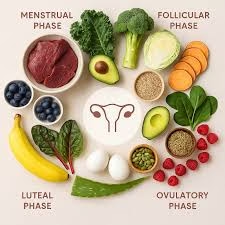
Menstruation (days 1-5) – Rest and replenishment Follicles (days 6-14) – Rebuild and revitalize Ovulation (days 15-17) – Connect with peak energy Corpus luteum (days 18-28) – Calm and support
Each stage requires different nutritional and energetic support. Cycle syncing can help balance hormones, relieve PMS, regulate cycles, and reduce inflammation while improving body awareness and self-care.
Nutrition to balance hormones during each menstrual cycle
🌑 Menstrual period (bleeding period)
Purpose: Supports detoxification, iron replenishment, and deep rest.
Notable foods:
Iron-rich foods: Grass-fed beef, lentils, spinach Mineral-rich soups and soups Root vegetables (sweet potatoes, beets) Healthy fats (avocado, olive oil)
Supporting herbs: nettle leaf (rich in iron), raspberry leaf, ginger
🌱 Follicular phase (before ovulation)
Goal: Boost energy, promote follicle development, and support estrogen metabolism.
Notable foods:
Light, fresh meals: salads, sprouts, quinoa, lean protein Cruciferous vegetables (broccoli, kale, cauliflower) to support liver detox Fermented foods for gut health
Supporting herbs: milk thistle, dandelion, schisandra
🌸Ovulation period (ovulation)
Goal: Support peak fertility and estrogen levels while reducing inflammation.
Notable foods:
Anti-inflammatory foods: berries, fatty fish, and flaxseeds Foods rich in zinc and B vitamins for egg health Hydrating foods like cucumbers, watermelon, and leafy greens
Supporting Herbs: Red Clover, Maca, Vitex (Chaste Berry)
🍂 Luteal phase (post-ovulation/pre-menstruation)
Goal: Support progesterone production and reduce PMS symptoms.
Notable foods:
Complex carbohydrates to stabilize mood and appetite (sweet potatoes, oats, pumpkin) Magnesium-rich foods (pumpkin seeds, dark chocolate, leafy greens) Warming spices: cinnamon, turmeric, ginger
Supporting herbs: Vitex, Ashwagandha, Chamomile
Lifestyle tips for hormonal harmony
Nutrition is just one piece of the hormonal puzzle. Encourage the client to combine the following foods:
🧘 Stress Management: Chronic cortisol interferes with ovulation and progesterone levels. 💤 Sleep Hygiene: Aim for 7-9 hours of quality sleep to regulate leptin and melatonin. 🧘♀️ Movement synchronization: gentle yoga or walks during menstruation. The intensity increases during the follicular phase/ovulation phase. 💧 Reduce toxins: Encourage clean beauty products and filtered water to reduce endocrine disruptors. 🩺 Functional testing: Use DUTCH or hormone panels to guide targeted interventions.
Common Hormone Imbalances to Watch Out for
As a practitioner, educate and screen for:
Estrogen dominance – associated with PMS, uterine fibroids, acne, and hypermenorrhea Low progesterone – common in luteal phase mood swings and infertility Adrenal fatigue – cortisol dysregulation that affects all hormonal systems Thyroid dysfunction – especially postpartum or perimenopause Blood sugar instability – the root cause of insulin resistance and PCOS
Leverage nutrition to balance the trifecta of hormonal health: balance blood sugar, support the liver and gut, and reduce inflammatory load.
How practitioners can incorporate period synchronization into their practice
Provide cycle synchronization guides and workshops Create weekly or phase-based meal plans Support with herbal protocols and adaptogens Increase self-awareness with tracking apps and cycle journals Collaborate with a functional nutritionist, midwife, or naturopath for deeper care
Final Thoughts: Consistent with Cycle Wisdom
Holistic hormone care is about reconnecting with your body, nature, and rhythm. Cycle Sync helps women become aware of their innate intelligence and leverage food and lifestyle for a vibrant, cyclical life, as well as symptom management.
As practitioners, providing this level of support can be transformative for our clients, especially in a world where women’s unique needs are often ignored.