Yesterday was the perfect time to start a vegetable garden. The second best is today. Try growing these vegetables to reduce food costs at home. Plus, you’ll be able to eat more flavorful, fresher food.
Have you been shocked to see the price of something at the supermarket lately? Maybe you’ve been in the produce aisle with your jaw wide open and ended up putting the item back on the shelf simply because the price wasn’t right.
This feels like a sign of the times and I know many people are struggling with the rising prices of groceries over the past few years.
There’s never been a better time to grow vegetables in your garden.
Now, there are certainly expensive ways to grow vegetables. It’s about making fancy beds, hauling soil, and planting all the seeds at once without reading the instructions or even knowing if your area is actually suitable for growing vegetables.
That’s not the way I would recommend someone to start growing vegetables. First, focus on what you already have, what you can get easily and cheaply, and work with your current gardening situation rather than against it.
Today, I’m going to share with you a list of vegetables that I think will help you cut down on your grocery bill, and how you can save money in the long run.
Vegetables that can be grown cheaply
A few years ago, I wrote an article looking at the cheapest vegetables to grow. This is a very sensitive topic and really depends on where you live, your personal growth conditions and available space. I’m glad to see it because it sparked a lot of discussion online. Some people have great success with certain vegetables, others less so.
That being said, high-yielding vegetables are great for producing a lot from one plant, and fast vegetables are great for packing a lot into one growing season.
highest yielding vegetables
If your goal is to grow plants that produce as much as possible from one plant, you will need high-yield vegetables. Some of these require more space than others, so keep this in mind when considering productivity. Another important thing to note is whether you want to harvest everything at once or whether you need to keep picking the plant to produce more fruit.
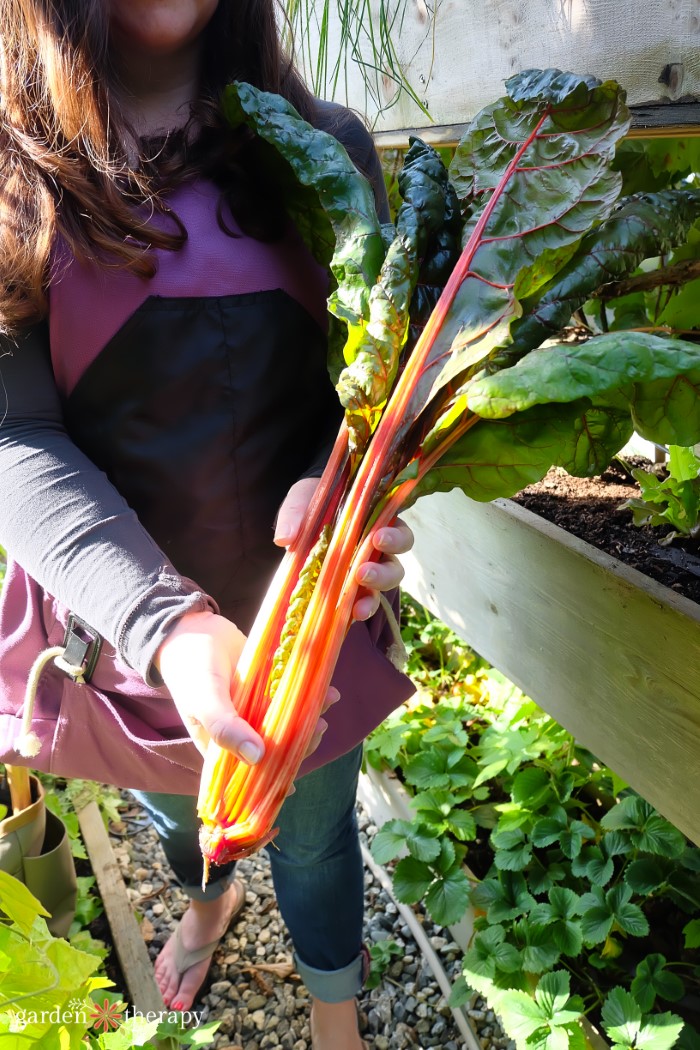
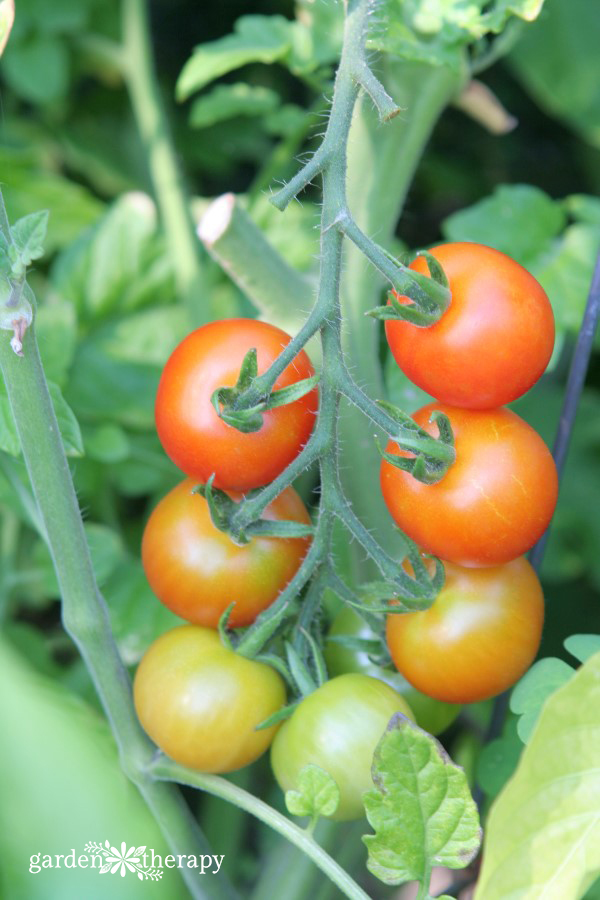
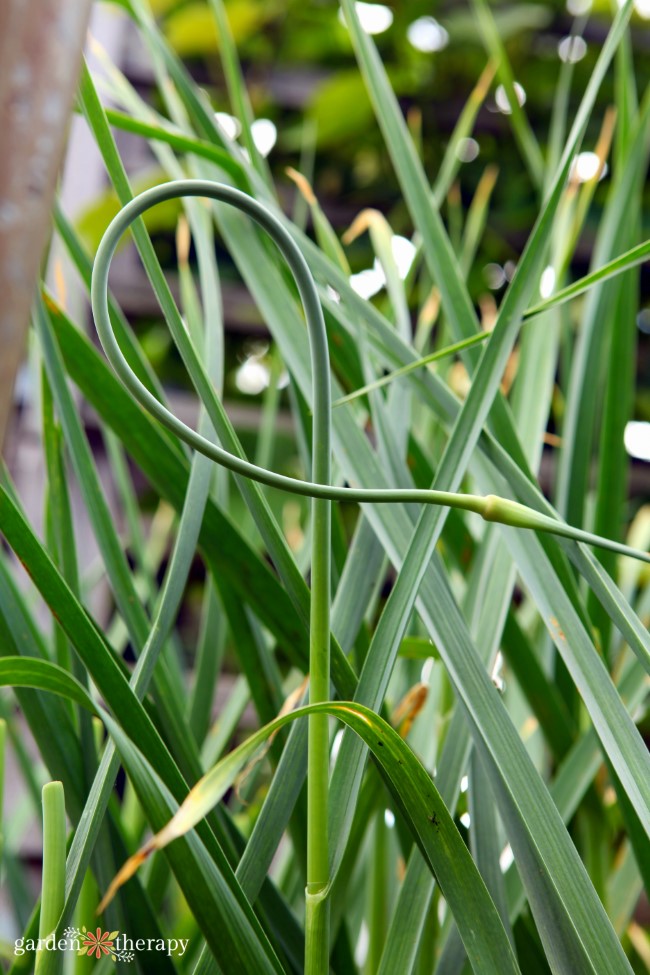
Potatoes Tomatoes (especially cherry and grape varieties) Zucchini Leafy greens Beans (any kind will do! The more green beans and bush beans you pick, the more they will produce) Leeks and chives (they keep growing even if you cut them) Cucumbers Squash Bell peppers (especially shishito peppers) Swiss chard Garlic (you can eat the stems before harvesting)
fast growing vegetables
Fast-growing vegetables are great for many reasons. Works well when working space is minimal and a quick response is required to produce enough food. It can also be a great option at the beginning and end of the season to fill empty beds that may have already been harvested.
Some excellent fast-growing vegetables include:
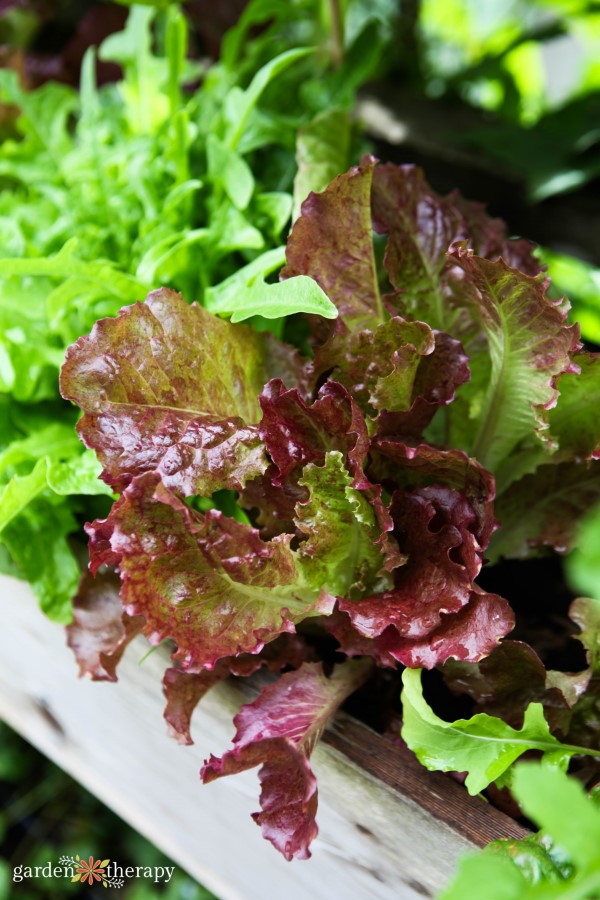
Swiss chard Radish Mizuna Tatsuoi Spinach Turnip Green beans Baby carrots Beet Lettuce Mustard greens Arugula Kale Spinach
growing food indoors
Growing food doesn’t have to be limited to outdoors. I grow food indoors year-round, even when I grow vegetables in my backyard.
Sprouts and microgreens are one of my favorites. Because it doesn’t take up much space (it’s very suitable for apartments), it’s very cheap, and it’s nutritious. Add extra crunch to salads, wraps, and sandwiches.
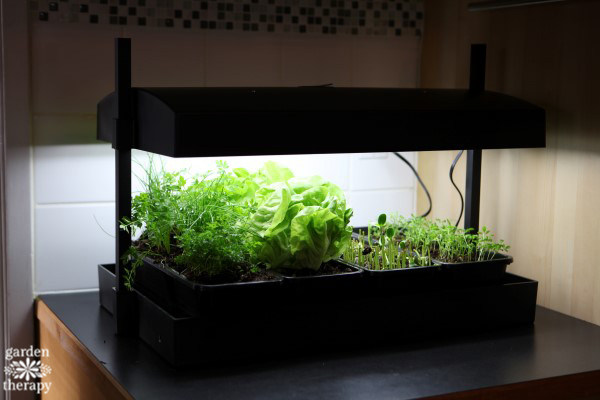
You can easily grow herbs indoors, and switching to fresh herbs can make a huge difference to your diet. If you don’t have a very sunny window, we recommend using a countertop grow light setup.
Small indoor hydroponic systems are also perfect for growing herbs and lettuce indoors year-round. People who eat a lot of leafy greens will also love this year-round indoor salad rack.
Planting perennials and fruit trees
Perennial vegetables, edible shrubs, and nut and fruit trees require a large initial investment, but once mature, they produce a significant amount of food. In fact, they are an integral part of a food forest, a backyard design that you can implement with a focus on producing as much food as possible.
I consider berries to be high-yielding plants that can be very expensive at the grocery store. Raspberry and blueberry bushes, as well as strawberries, all produce lots of fruit as the plants grow. Don’t forget about local berries that you can’t buy in the supermarket.
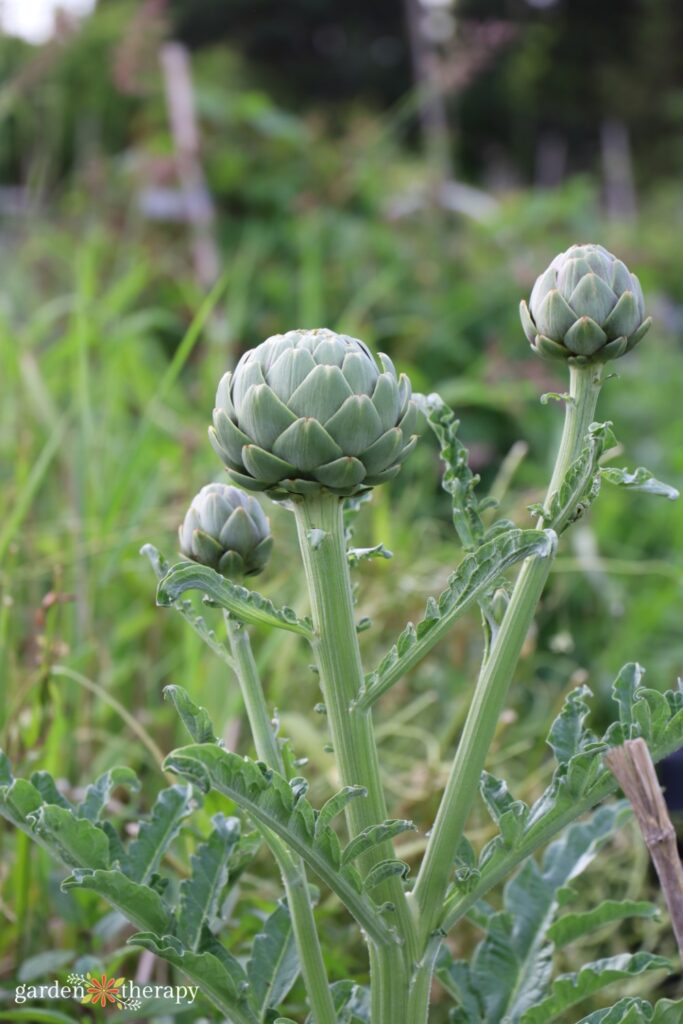
Perennial vegetables such as rhubarb and asparagus also increase in production as they ripen. It may take several seasons to harvest, but you can buy them cheaply while they are young and reap a big harvest later.
Continuous planting and season extension
The secret to harvesting a large crop in one year is to think beyond the typical garden. The worst thing you can do is plant everything at once. Rather, stagger plantings to spread out the harvest and maximize area. This is known as succession planting and we have a complete guide to help you with when to plant.
Another thing you can do is use frost protection to extend the season. This can be as large as a greenhouse or as simple as a fleece cloth or DIY cloche. Some plants are frost tolerant and can also be planted later in the year for a late fall harvest.
Fall doesn’t have to be the end of the growing season. You can continue to plant and grow lots of food through the fall and, if you have the time, through the winter.
Further guide to growing more food

A city girl learned gardening and it changed everything. Writer, artist, master gardener. A better life through plants.