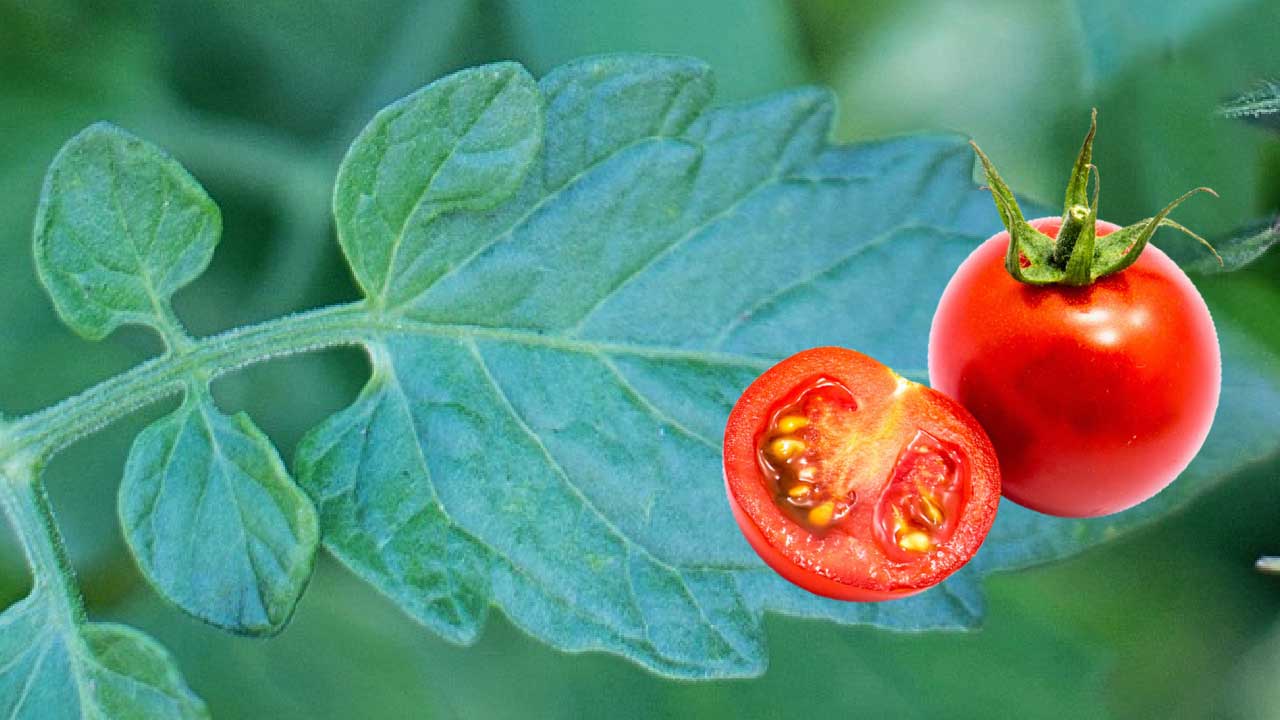
Use this traditional method to collect seeds from ripe tomatoes for future sowing. Heirloom and open-pollinated types are the most reliable, but this process will work for any tomato, including hybrids.
This is part of our What You Need to Know Before Planting Tomatoes series.
Collect and save tomato seeds

This traditional method has been used for generations to save seeds from ripe tomatoes. The seeds are first fermented to remove the protective gelatinous coating, then the seeds are dried in preparation for storage or sowing.
It may sound difficult, but don’t worry. This is very easy and will give you good seeds in the end.
content
Introduction How to choose the best tomatoes for seed saving How to conserve heirloom tomato seed resources
Start
Are you ready to save your tomato seeds for next season’s sowing? This classic and easy process yields a lot of seeds from just one tomato.
The most important tip is to start with ripe fruit so you know the seeds are ripe.
We save seeds from heirloom and other open-pollinated plants. This is because these plants reliably produce the same fruit in every generation.
There are many definitions, but here is one. Heirloom tomatoes are self-pollinators that have been true propagators for several generations. If you know the name of a tomato, but aren’t sure if it’s an heirloom or a hybrid, just Google the name and you’ll get your answer.
You can also save hybrid tomato seeds, but their fruit will (probably) not be true to the parent variety or may not set at all. I always save some for fun and want to know what will be harvested. And some produce perfectly good fruit. However, if you want to know what you’re getting, stick to open-pollinated varieties.

Before we start, there are many ways to store your seeds, so don’t worry if the advice differs. That’s fine as long as you end up with viable seeds. My setup (below) uses what I had on hand when I first started, and I reuse the same supplies every year. Once you see how it’s done, you can adapt and use what you have.
There are ways to skip the fermentation process, but this can reduce the quality of the seeds.
Choosing the best tomatoes for seed saving
Tomatoes should be mature and ripe, but not too ripe.
You can tell if a tomato is fully mature by cutting it open and inspecting it. Mature tomatoes have a gelatinous coating on their seeds that is a germination inhibitor.
Once the tomatoes are mature, they can ripen.
Also, fruit quality can vary on the same plant, so use the best tomatoes for seed savings.
Even if the plant survives seasonal diseases such as late blight, it does not affect the quality of the seeds.
Can I save green tomato seeds?
No, green tomatoes have just started forming seeds inside, and the seeds that are present are immature and non-viable.
Can I save store-bought tomato seeds?
You can try it. Tomatoes sold in supermarkets are often harvested before the fruit is fully mature, making the seeds non-viable.
You may also not know what kind of species they are, whether they are open pollinated or hybrids.
That said, if you’re as curious as I am, give it a try.
Seeds are sprouting inside tomato fruits, can they be cultivated?
yes. When the seeds inside the mature fruit begin to germinate, it is called viviparous. This seedling can be continued to grow like any other seedling. To learn more about vivipary, see the tomato example here.

How to save heirloom tomato seeds
There are many good ways to store tomato seeds. This age-old method relies on the fermentation that occurs naturally during the process.
1collect seeds

Scoop out the seeds and their gelatinous coating.
Slice the tomatoes and scoop or squeeze out the seeds along with the surrounding goo into a cup. This sticky (gelatinous film) actually protects the seeds from the acid in the tomatoes. In this process, its skin is removed and only the seeds are preserved. Add enough water to cover plus 0.5 inch or so. If your tomatoes are really juicy, use just the tomato juice. Of course, leftover tomatoes are also delicious to eat. Tag or label the cup with the name of the tomato.
2ferment the seeds

Cover and wait 4-5 days.
I usually wait a few days, but the germination rate is excellent. Some people are happy with just 24 hours of fermentation. So experiment with your timing.
It ferments, grows mold, and becomes dirty. Nature is a genius. The fermentation process frees the seeds from their shells and kills any pathogens lurking inside the tomatoes. White or green mold may develop. Don’t worry. It’s all part of the process.

3rinse the seeds
Wash away any moldy dirt until only the seeds remain.
Once fermentation is complete, pour the dirt into a sieve in your kitchen sink.

Wash with water until only the seeds remain.
The gelatinous coating will disappear.

4air dried seeds
Let the seeds air dry for 7 days, turning them every day to ensure even drying.
Place the seeds on a plate and let them dry for about 7 days. My plate has a number on it. One plate for each type of tomato. Track your name! Also save the wildcard seed. If you’re chopping up tomatoes for a meal and using lots of different heirlooms, put all the seed chunks in one cup and store them. I like them all, so I don’t care which type sprouts when I plant them next year. And it’s like a seed surprise pack.

Cover the plate with an old file folder to keep the fruit flies from getting too excited while the seeds dry.

Turn the seeds daily to ensure they are completely dry. I reuse numbered plates and cups over and over again.
Once the seeds are completely dry, they will slide off the plate or bowl instead of sticking to them.

5store seeds

Store in a cool, dry place in a labeled envelope or container.
Learn more about the best conditions for storing seeds. Sources vary, and it is said that preserved heirloom seeds can remain viable for 4 to 10 years. The germination rate is good even after 15 years. Proper storage is key. There are also many online seed exchangers if you want to collect more varieties and share what you have.
That’s it. This will give you plenty of seeds to use for years to come.

resource
Recommended books

epic tomato
How to choose and grow the best varieties of all time
Written by Craig Lefourier
Craig LeHoullier provides everything tomato enthusiasts need to know about growing more than 200 varieties of tomatoes, from planting to cultivating to collecting seeds at the end of the season.
~Melissa Empress of Dirt ♛

Print instructions
pin
How to store tomato seeds
Step-by-step instructions for saving seeds from open-pollinated heirloom tomato fruit to grow new plants.
Fee: 5 dollars
Instructions
Scoop out the seeds and their gelatinous coating from ripe tomatoes.
Fill the cup with enough water to cover it. Wait 4-5 days.
Use a sieve to wash away any moldy dirt until only the seeds remain.
Let the seeds air dry for 7 days, turning them every day to ensure even drying.
Store in a cool, dry place in a labeled envelope or container.