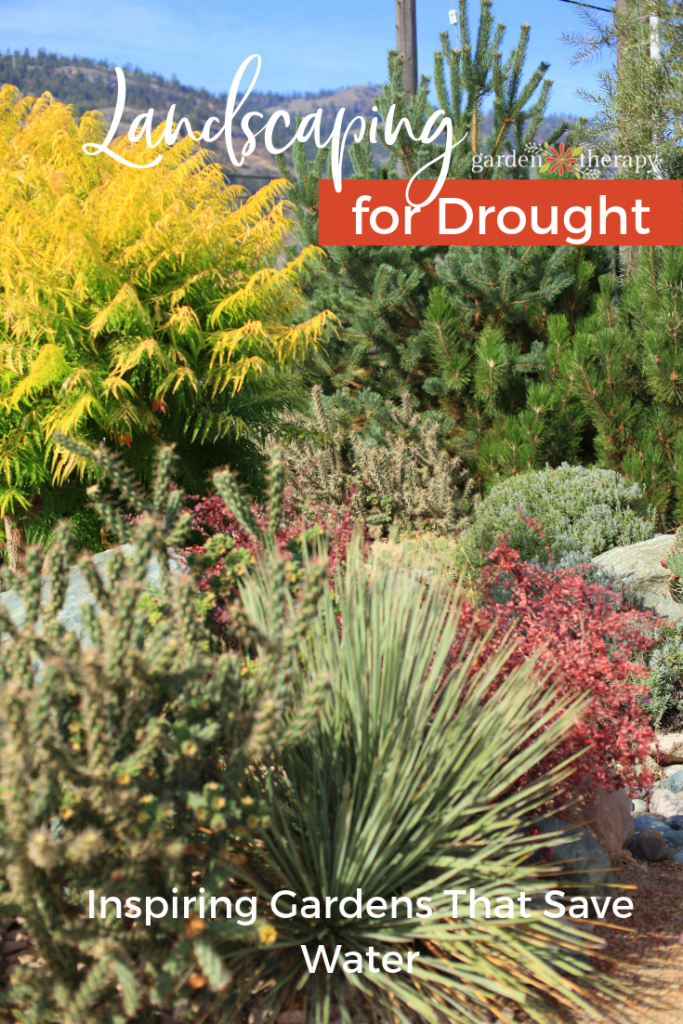
While vacationing in Osoyoos, British Columbia, I learned a lot about drought-tolerant garden and xeriscape design. The most striking thing is that you can create a colorful garden full of flowers and wildlife with much less water. Take a tour of drought-tolerant landscapes and discover water ideas for your own garden.
I live in a rainforest. Yes, I lived in a rainforest. I don’t know if the forces are ready to change our climate classification yet, but they are certainly changing here in Vancouver, British Columbia, Canada. Winters are mild and summers are much drier than in the past.
While this hasn’t completely changed the landscape yet like it did in California (with the exception of wildfire-ravaged areas, where dry summers have increased the damage), it has made many of us here think more about water and the value of water conservation.
According to a recent 2026 report by the United Nations University, water resources are decreasing around the world. More than half of the world’s largest lakes have lost water since the 1990s, and nearly 75% of the world’s population lives in countries classified as water-scarce or severely water-scarce.
What makes Osoyoos special?
Our visit to Osoyoos showed us that we can have stunning landscapes and wonderful gardens full of plants that support wildlife and beneficial insects while conserving our precious water.
I live in the rainforest, but Osoyoos is only a few hours away and has a completely different climate.
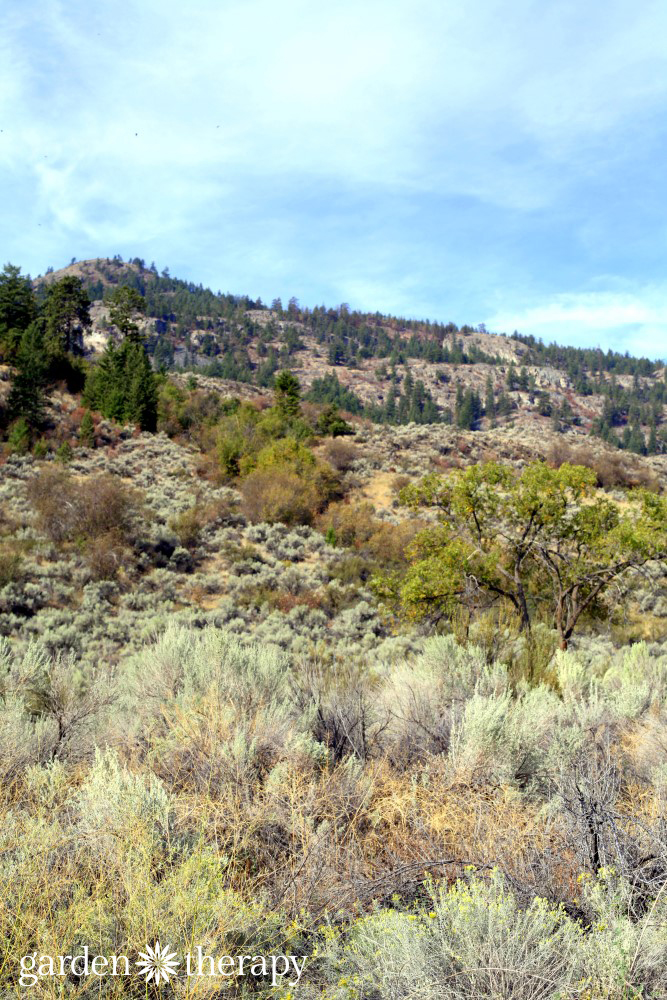
It is a semi-arid region with a unique dry scrubland and desert ecosystem, which is quite rare in Canada. It has the warmest freshwater lakes and receives the lowest annual rainfall in the country (only 25 cm). In the summer, it is one of the hottest regions in Canada, with daytime temperatures of +30°C (86°F) common.
prepare for drought
Changing your garden and the way you garden is the best way to adapt to the demands of a changing climate. It must be emphasized that completely removing gardens and replacing lawns with plastic ones is much worse for the environment than adapting to a dry climate or changing water supplies.
There are many options for making your home garden more water friendly. Choose drought-tolerant plants like succulents, cacti, and these hardy perennials. Collect rainwater in barrels and use it to water your plants as much as possible. Use mulch to keep your garden moist and only water when really necessary.
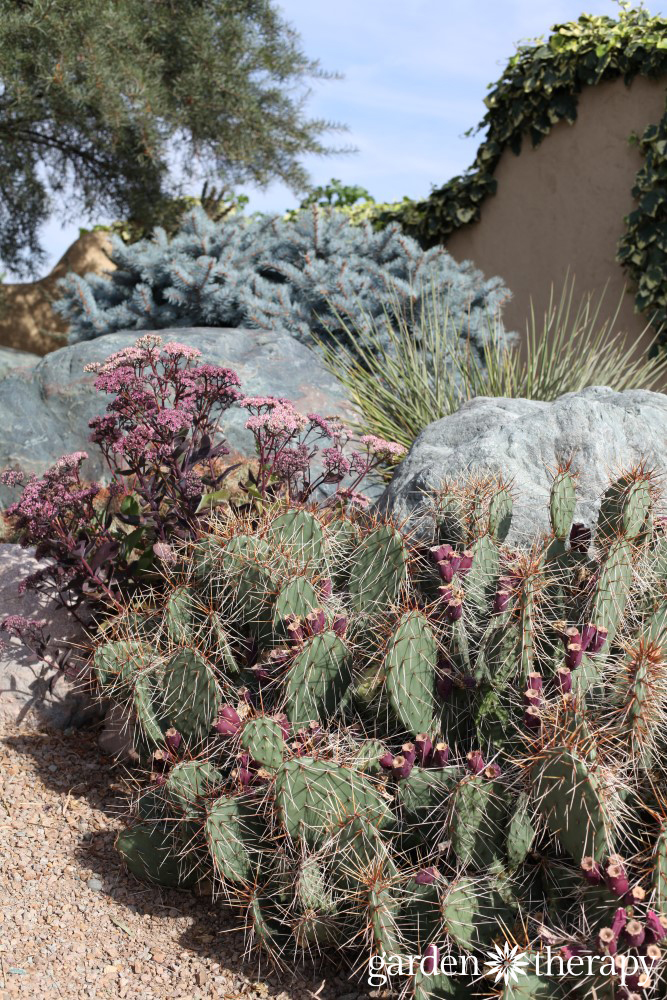
Keep gardening!
Whatever you do to conserve water, the answer isn’t to stop gardening. By removing all plants from your home’s landscape, you are removing food and shelter for the insects and wildlife that share the space with you. When trees die in a drought, essential shade and air filtration are lost.
If you want to grow your own food, you need pollinators. If you want to enjoy the park in the shade of trees, you need birds and creatures. Even in urban centers without vegetation, concrete can become a “heat island” that absorbs and radiates heat, making it unbearable for residents.
What’s the answer? Follow Mother Nature. Plant native plants that can adapt well to these changing conditions. Take water conservation measures to protect and collect natural rain.
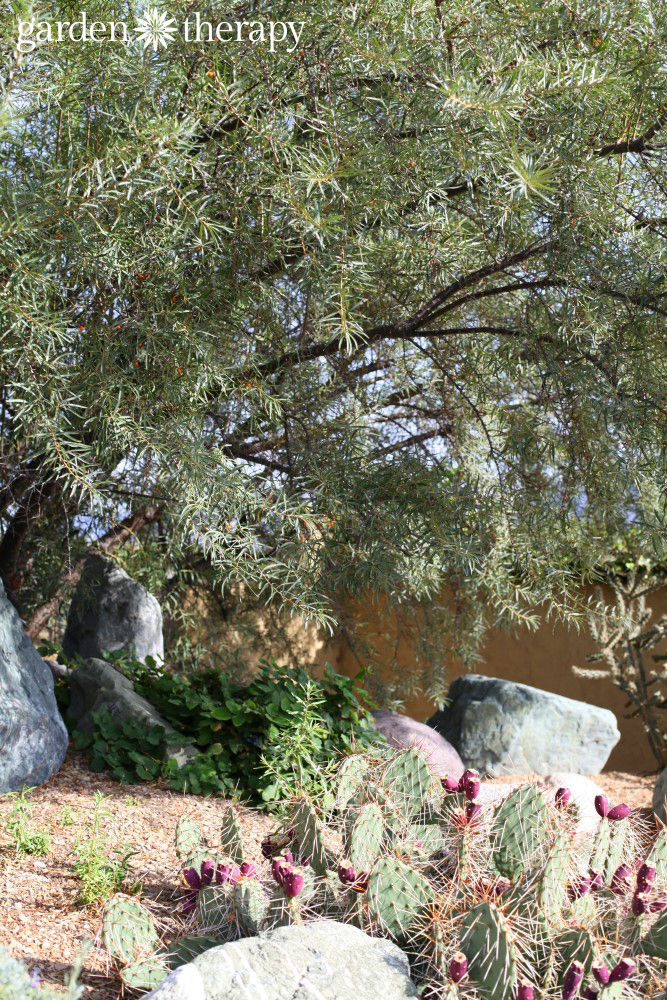
Replacing the lawn
One thing I support is replacing lawns with gardens, or at least maintaining water-intensive lawns for less money. It’s nice to see that most people in our city have brown lawns in the summer.
I’ve done this every year for as long as I can remember because in order for turfgrass to survive and stay healthy, it needs to go dormant during the hot summer months. Letting the grass turn brown in the summer will not cause it to die. It allows it to go dormant. Click here for more information.
One of the best things you can do for drought and your local ecosystem is to remove unwanted lawns. Replace it with drought-resistant landscaping, dry streambeds, rain gardens, etc…whatever suits your tastes and conditions best! Trust me, it will look much more beautiful than a grassy lawn anyway.
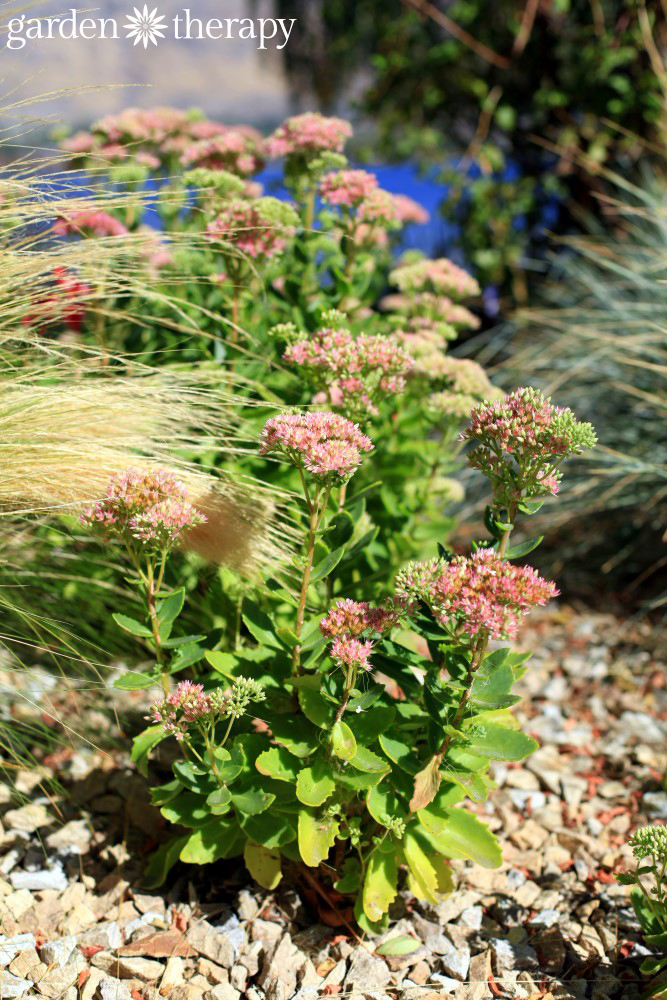
drought resistant plants
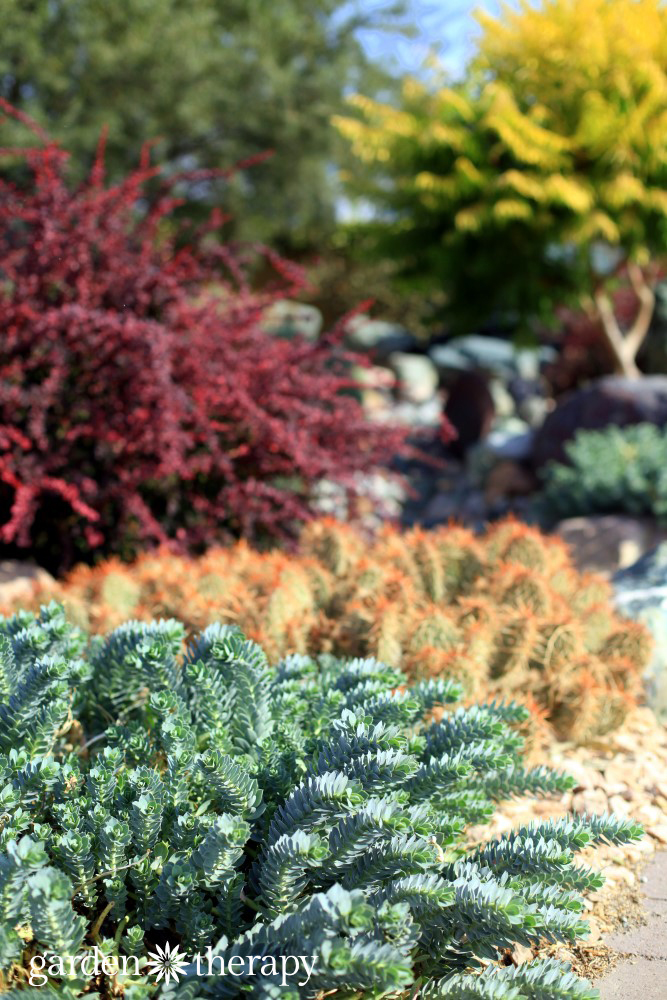
It is possible to grow plants, have a garden, and create a beautiful environment as long as we adapt and change. As you can see from the photos in this post, there are many beautiful options for landscaping for drought.
Most garden centers advertise drought-tolerant plants, so you can easily find them when you’re looking. In general, there are some good options, including:
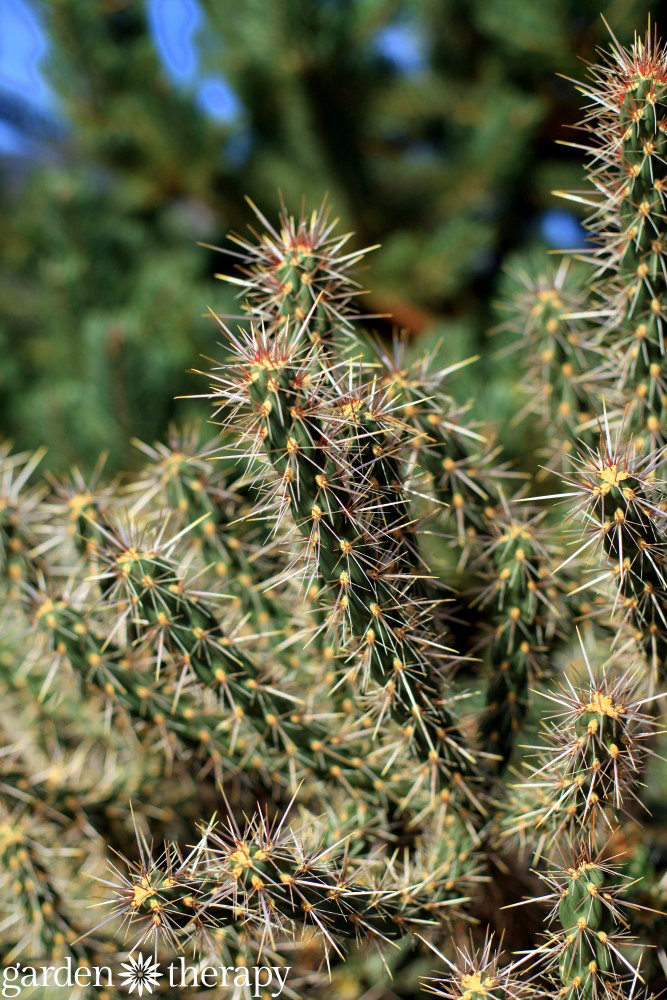
Native plants. They are already familiar with your local situation. Ornamental grass. Many grasses have large root systems that can supply water deeper into the soil. trees. Once established, they require little additional watering and provide shade and water retention for the plants below. Perennial. Because they have established root systems, they can go without water for longer periods of time than annuals. Check out our list of drought-tolerant perennials. succulents and cacti. These plants are famous for being able to survive on little water during the summer.
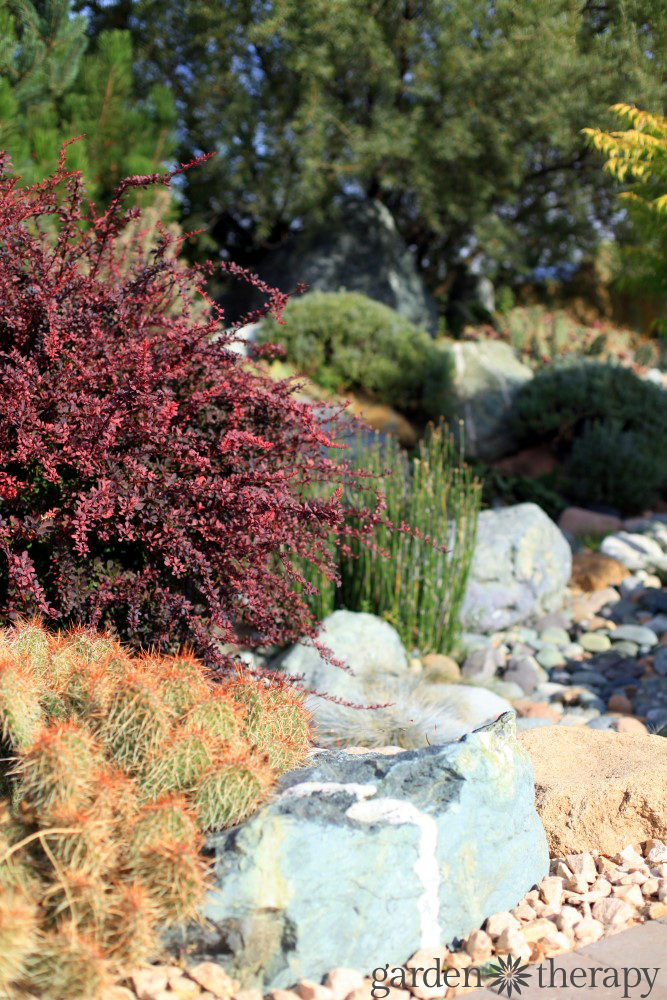
More tips to save water

A city girl learned gardening and it changed everything. Writer, artist, master gardener. A better life through plants.