Lifestyle habits that may increase cancer risk
Cancer is a leading cause of death worldwide, and although some risk factors are beyond our control, there are certain lifestyle habits that can increase your chances of developing cancer. By making informed choices and adopting healthy habits, you can reduce your risk of cancer and improve your overall well-being.
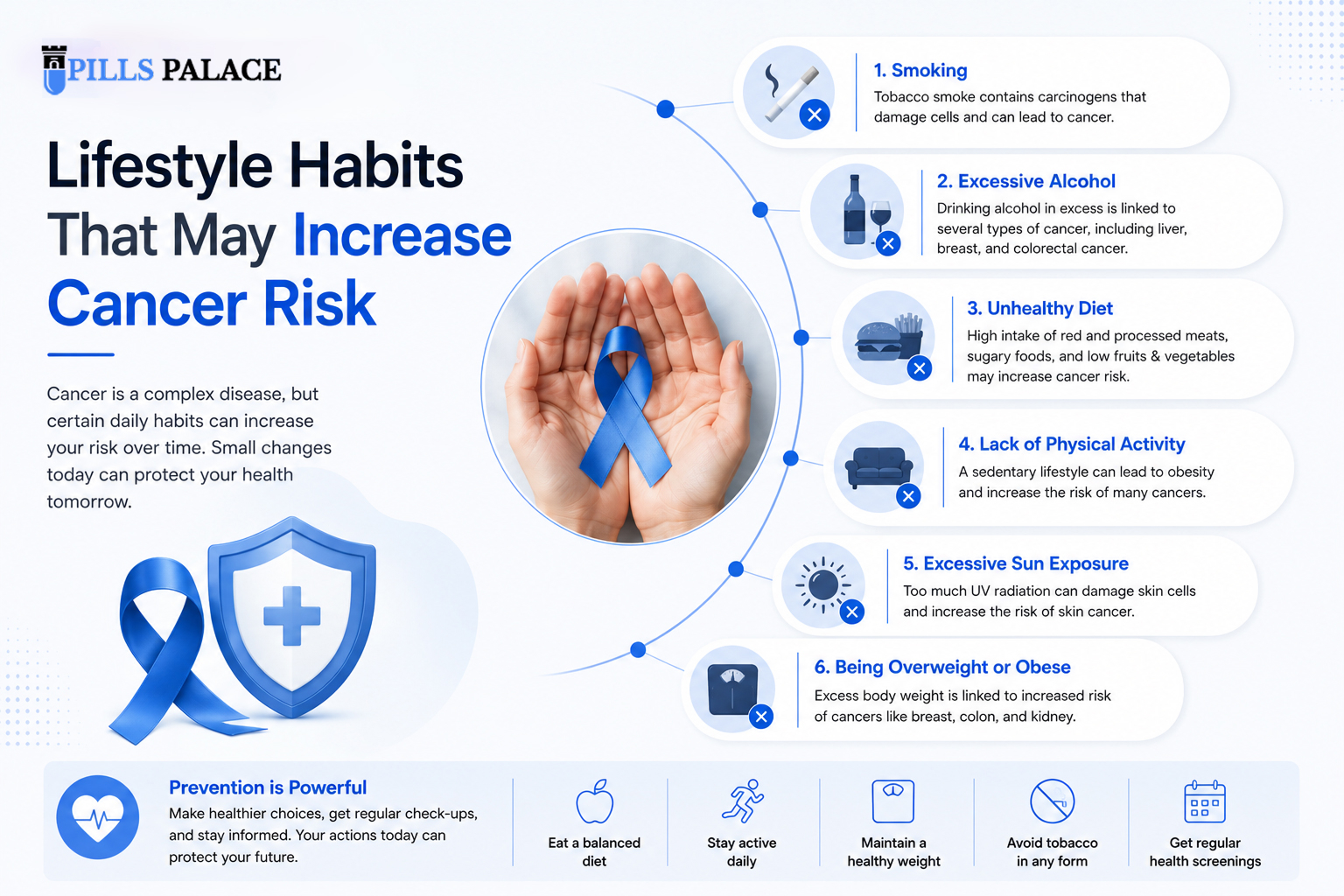
1. Smoking and tobacco use
Smoking and smoking are one of the most important risk factors for cancer. Tobacco contains more than 70 known carcinogens that can damage cells and increase your risk of cancer. According to the Centers for Disease Control and Prevention (CDC), smoking causes more than 480,000 deaths each year in the United States, and more than 41,000 of those deaths are due to exposure to second-hand smoke.
Quitting smoking and avoiding tobacco products can greatly reduce your risk of not only cancer, but also other health problems such as heart disease and respiratory disease. There are many resources available to help smokers quit, including counseling, medication, and support groups.
2. Unbalanced diet and nutrition
A diet high in processed and red meat, sugar, and unhealthy fats can increase your risk of cancer. On the other hand, a diet rich in fruits, vegetables, whole grains, and lean protein can help prevent cancer. The World Health Organization (WHO) recommends eating at least 400 grams of fruits and vegetables per day to reduce the risk of cancer and other chronic diseases.
Certain foods have been shown to have anticancer properties, including:
Cruciferous vegetables, such as broccoli, cauliflower, and kale, which contain compounds shown to have anti-cancer properties Berries, which are rich in antioxidants and have been shown to reduce the risk of certain types of cancer Green tea, which contains catechins, which have been shown to have anti-cancer properties Omega-3 fatty acids, which have been shown to reduce inflammation and improve immune function
3. Lack of exercise
Regular physical activity helps reduce the risk of cancer as well as other health problems such as heart disease and diabetes. The World Health Organization (WHO) recommends at least 150 minutes of moderate-intensity physical activity per week or 75 minutes of vigorous-intensity physical activity per week.
Exercise helps:
Reduces inflammation and improves immune function Regulates hormones and reduces risk of hormone-related cancers Improves insulin sensitivity and reduces risk of insulin-related cancers Reduces stress and improves mental health
4. Excessive weight and obesity
Excess weight or obesity can increase your risk of certain types of cancer, including breast, colon, and kidney cancer. Maintaining a healthy weight through a combination of diet and exercise can reduce your risk of cancer and other health problems.
The Centers for Disease Control and Prevention (CDC) recommends:
Eat a healthy, balanced diet that is low in calories and nutritious Engage in regular physical activity, such as walking or other exercise Monitor your weight and body mass index (BMI) to ensure a healthy weight
5. Alcohol intake
Excessive alcohol consumption can increase your risk of certain types of cancer, including liver, breast, and colon cancer. The Centers for Disease Control and Prevention (CDC) recommends drinking in moderation, defined as no more than one drink per day for women and no more than two drinks per day for men.
Reducing or avoiding alcohol intake can help:
Reduce the risk of cancer and other health problems Improve liver function and reduce the risk of liver disease Reduce the risk of accidents and injuries Improve mental health and reduce the risk of depression and anxiety
6. Exposure to ultraviolet light and sunlight
Exposure to ultraviolet (UV) rays from the sun and tanning beds can increase your risk of skin cancer. The Centers for Disease Control and Prevention (CDC) recommends:
Seek shade, especially during peak sun hours (10 a.m. to 4 p.m.) Wear protective clothing such as a hat and long-sleeved shirts Use sunscreen with a sun protection factor (SPF) of 30 or higher Avoid tanning beds and artificial UV radiation
7. Environmental toxins and pollution
Exposure to environmental toxins and pollution can increase your risk of cancer. The Environmental Protection Agency (EPA) recommends the following:
Reduce exposure to air pollution such as particulate matter and ozone Avoid contaminated water and food sources Use non-toxic household cleaners and personal care products Reduce exposure to pesticides and herbicides
conclusion
Cancer is a complex and multifaceted disease with no single cause or solution. However, by making informed choices and adopting healthy lifestyle habits, you can reduce your risk of cancer and improve your overall well-being. We can take control of our health and reduce our risk of cancer by avoiding tobacco, eating a healthy diet, getting regular physical activity, maintaining a healthy weight, reducing or avoiding alcohol intake, protecting ourselves from UV rays, and reducing exposure to environmental toxins and pollution.
It is also important to note that some risk factors are beyond our control, such as genetics and family history. However, by being aware of these risk factors and taking steps to reduce our exposure to them, we can take a proactive approach to our health and reduce our risk of cancer.
what you can do
If you’re concerned about your cancer risk, there are many steps you can take to reduce your risk and improve your overall health. Below are some suggestions.
Talk to your doctor about your risk factors and get regular check-ups and tests Make healthy lifestyle choices, such as eating a balanced diet, regular physical activity, and avoiding tobacco and excessive alcohol intake Get vaccinated against certain types of cancer, such as human papillomavirus (HPV) and hepatitis B Avoid exposure to environmental toxins and pollution, such as air pollution, contaminated water and food sources Get enough sleep and manage your stress, as chronic sleep deprivation and stress can increase your risk of cancer.
resource
There are many resources available to reduce your cancer risk and improve your overall health. Below are some suggestions.