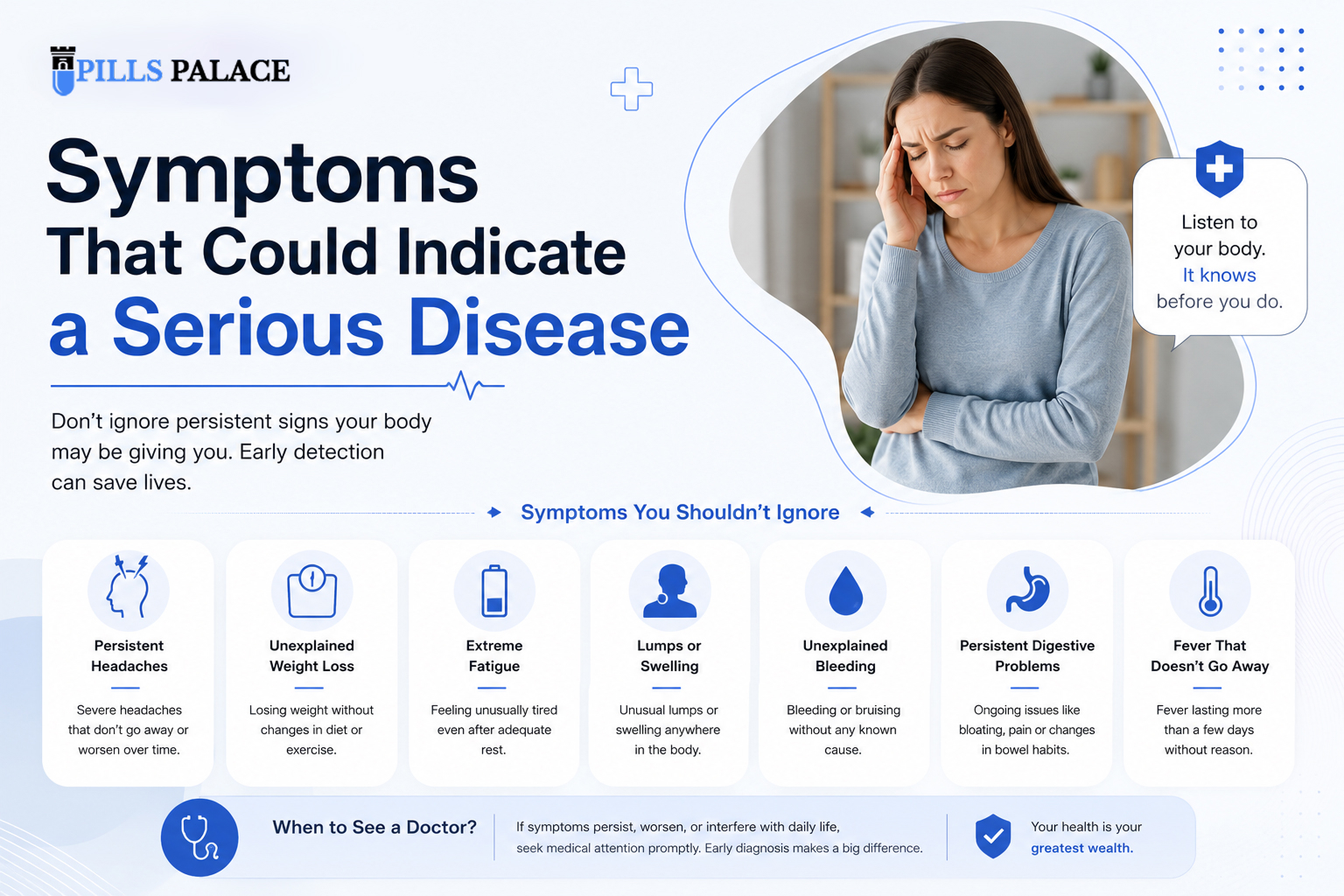
Symptoms that may indicate a serious illness
Many of us have experienced symptoms such as headaches, fatigue, and abdominal pain at some point in our lives. Although these symptoms are mild and temporary, they may indicate a more serious underlying condition. It is important to know the common symptoms that may indicate a serious illness so that you can seek prompt medical attention and receive appropriate treatment.
1. Unexplained weight loss
Unexplained weight loss is a common symptom that can indicate a serious illness. If you lose more than 10 pounds in a short period of time without effort, it could be a sign of an underlying medical condition such as cancer, diabetes, or thyroid disease. Other symptoms associated with unexplained weight loss include:
Fatigue, loss of appetite, nausea/vomiting, abdominal pain
If you are experiencing unexplained weight loss, it is important to consult your doctor to rule out underlying medical conditions.
2. Chest pain or shortness of breath
Chest pain and shortness of breath can be symptoms of a serious illness, such as heart disease, lung disease, or pneumonia. Seek immediate medical attention if you experience any of the following symptoms:
Chest pain or discomfort that spreads to your arms, neck, or jaw Shortness of breath or difficulty breathing Hemoptysis or pink, frothy mucus Wheezing or tightness in your chest
These symptoms can indicate a life-threatening condition, so it’s important to seek immediate medical attention.
3. Abdominal pain or bloating
Abdominal pain or swelling can be a symptom of a serious illness, such as liver disease, kidney disease, or stomach cancer. Consult your doctor if you experience any of the following symptoms:
Severe abdominal pain or tenderness Swelling or bloating of the abdomen Nausea and vomiting Loss of appetite
These symptoms may indicate an underlying medical condition that requires medical attention.
4. Neurological symptoms
Neurological symptoms such as seizures, numbness or tingling, and difficulty speaking can indicate a serious illness such as stroke, multiple sclerosis, or a brain tumor. Seek immediate medical attention if you experience any of the following symptoms:
Seizures or convulsions Numbness or tingling in the face, arms, or legs Difficulty speaking or understanding words Weakness or paralysis in the face, arms, or legs
These symptoms can be life-threatening, so it’s important to seek immediate medical attention.
5. Skin changes
Skin changes such as moles, rashes, and lesions can be symptoms of serious illnesses such as skin cancer, lupus, and eczema. Tell your doctor if you notice any of the following changes:
A new or changing mole A rash or lesion that doesn’t heal Itchy or sore skin A change in skin texture or color
These symptoms may indicate an underlying medical condition that requires medical attention.
6. Fever or chills
Fever and chills can be symptoms of serious illnesses such as pneumonia, sepsis, and meningitis. See your doctor if you experience any of the following symptoms:
Fever of 103°F (39.4°C) or higher Chills or tremors Headache or stiff neck Confusion or disorientation
These symptoms can be life-threatening, so it’s important to seek immediate medical attention.
7. Difficulty swallowing
Difficulty swallowing can be a symptom of serious illnesses such as esophageal cancer, gastroesophageal reflux disease (GERD), and achalasia. Consult your doctor if you experience any of the following symptoms:
Difficulty swallowing solid foods or liquids Pain or discomfort when swallowing Regurgitation of food or liquids Weight loss or loss of appetite
These symptoms may indicate an underlying medical condition that requires medical attention.
8. Changes in vision
Vision changes such as blurred vision, double vision, and vision loss can be symptoms of serious illnesses such as glaucoma, cataracts, and stroke. See your doctor if you experience any of the following symptoms:
Blurred vision or double vision Loss of vision or blind spots Eye pain or discomfort Sensitivity to light
These symptoms may indicate an underlying medical condition that requires medical attention.
9. Hearing loss
Hearing loss can be a symptom of serious illnesses such as age-related hearing loss, Meniere’s disease, and acoustic neuroma. Consult your doctor if you experience any of the following symptoms:
Hearing loss or difficulty Ringing or ringing in the ears Dizziness or dizziness Ear pain or discomfort
These symptoms may indicate an underlying medical condition that requires medical attention.
10. Changes in mental health
Mental health changes such as depression, anxiety, and personality changes can be symptoms of serious illnesses such as dementia, Alzheimer’s disease, and bipolar disorder. See your doctor if you experience any of the following symptoms:
Depression or mood swings Anxiety or panic attacks Personality changes or mood swings Difficulty concentrating or memory loss
These symptoms may indicate an underlying medical condition that requires medical attention.
conclusion
Although many symptoms are mild and temporary, some symptoms may indicate a serious underlying condition. It is important to know the common symptoms that may indicate a serious illness so that you can seek prompt medical attention and receive appropriate treatment. Early detection and treatment can improve outcomes and save lives. If you have any of the symptoms listed above, don’t hesitate to consult your doctor. Remember, when it comes to your health, it’s better to be cautious.
what to do next
If you are experiencing symptoms that may indicate a serious illness, follow these steps:
Talk to your doctor: Make an appointment with your doctor to discuss your symptoms. Seek medical attention: If your symptoms are severe or worsen over time, seek medical attention at an urgent care center or emergency room. Get tested: Your doctor may order diagnostic tests to rule out underlying conditions. Follow your treatment: If you have been diagnosed with a serious illness, follow your doctor’s treatment plan and attend all scheduled follow-up appointments.
Remember that your health is in your hands. If you have symptoms that could indicate a serious illness, be proactive and don’t hesitate to seek medical attention.