You feel it before you name it. Coffee doesn’t really cure the 2pm crash. When I look in the mirror, my skin has lost its shine. If you ask most people what’s behind it, they’ll all end up with the same three letters: NAD+.
So what is NAD+? Why is everyone from RDs to your favorite skinfluencers suddenly talking about NAD+? Here’s the short version: NAD+ is something your body already produces automatically every day. It’s also something you actually influence through how you move, eat, sleep, and even supplements. Let’s break down each part.
What is NAD+?
In the simplest terms, what is NAD? NAD+ (nicotinamide adenine dinucleotide) is a coenzyme, basically a helper molecule, that every cell in the body needs to function. Think of NAD+ more like a currency than a nutrient. Cells “consume” NAD+ to do almost everything.
Here’s what you get for your spending:
energy. Mitochondria (the “powerhouses of the cell” you learned about in grade school) use NAD+ to convert food into usable energy. According to a comprehensive scientific review, less NAD+ available means the conversion does not occur as smoothly. Imagine a cell phone battery. At 100%, everything runs fast and smoothly. At 60%, everything still works, just slower and more fiddly.
repair. According to a widely cited review on NAD+ and aging, NAD+ activates enzymes that patrol cells looking for and repairing DNA damage. Think of it as the raw material your body’s maintenance staff needs to do their job.
“Settings” on your mobile phone. NAD+ also activates sirtuins, also known as “longevity proteins” because they help control cellular aging, stress adaptation, and energy management. Sirtuins depend on NAD+ to function. Low NAD+ levels can negatively impact sirtuin activity and negatively impact cellular aging.
So what is NAD’s real job? It’s the fuel and toolkit your cells use to maintain everything from energy, repair, regulation, and proper functioning.
What is the relationship between NAD and aging?
Here’s the part that explains why this conversation is all over the place right now. NAD+ levels naturally decline with age. This has actually been directly measured. When the researchers analyzed real human skin biopsies (from ages 15 to 77 and newborns), they found that across the age range studied, NAD+ decreased significantly with age, DNA damage increased in the same tissues, and repair activity decreased. A study published in Nature Aging found that in skeletal muscle, decreased NAD+ is associated with decreased physical function in older adults.
Zooming in on the mechanism, sirtuins are once again one of the reasons why NAD+ decline in the skin manifests as visible aging. A systematic review of studies on SIRT1 and skin (the same NAD+ dependent protein family mentioned above) describes its role in fibroblasts, the cells responsible for collagen and elastin production. While this is a proposed mechanism that connects the dots and is not a single study that linearly proves “lower NAD+ means less collagen,” it is a reasonable explanation as to why skin elasticity changes with age.
This means that the cells don’t “break” and instead work with smaller batteries. Same smartphone, same app, just cheaper usage fees.
Your body already produces NAD+, so you can support it
This is an area that often gets lost in the hustle and bustle of wellness. NAD+ is not something you lack, you need to get it. Your body is now making it all day long in every cell. The more useful question is not, “How can I get NAD+?” The question is, “How can I help my body produce and use more energy?”
The study states:
move consistently
A one-time workout won’t make much of a difference. Research on single exercise sessions is mixed, but not on consistent training. In controlled trials, 10 weeks of resistance training in previously untrained adults increased muscle NAD+ by up to 127% (and the related molecule NADH by 99%), while also improving the enzymes and proteins that manage NAD+. Separately, the same Nature Aging study mentioned above found that people who simply walk more tend to have more NAD+ in their muscles and better physical function as they age, when tracked by daily steps. Think of exercise as sending a memo to your cells that says, “We need to get this system up and running. Build more.”
Give your body a break from constant eating
According to a research review on fasting and metabolism, when cells sense less incoming fuel, they turn on the enzyme NAMPT, which is the rate-limiting step in rebuilding NAD+. This means less NAD+ is produced.
However, questions remain as to which fasting type is best and how long a fast is required to effectively and reliably increase NAD+. Fasting is also not a panacea. It depends on your medical history, medications, and goals. So this is a good place to take it to your healthcare provider or RD to determine which split makes sense for you.
eat building blocks
According to the Linus Pauling Institute, NAD+ is primarily made from dietary precursors such as niacin (vitamin B3). Good daily sources include chicken and turkey, tuna and salmon, mushrooms, and legumes.
None of these require a complete lifestyle overhaul. Small, simple, repeatable habits are the foundation for supporting your body’s natural production of NAD+.
Can I take NAD+ directly?
It’s a legitimate question. The honest and slightly messy answer is: Technically yes, but it’s not the most effective method. Here’s why:
Imagine trying to ship ice cream across the country without a cooler. It will melt before it reaches you. Orally ingested NAD+ behaves very similarly. NAD+ is a fragile and large molecule that tends to be broken down by digestion before it can be used by cells. However, there is a clinically researched solution.
NMN is a more efficient stepping stone. Most research and supplements focus on NMN (nicotinamide mononucleotide), rather than NAD+ itself. NMN (nicotinamide mononucleotide) is a small precursor molecule that the body converts into NAD+ when absorbed. Simply put, the NMN → NAD+ in your body changes to help you survive your trip better.
Clinical studies support this. In a randomized, double-blind, placebo-controlled study, healthy adults who took 250 mg of NMN daily had a 2.5-fold increase in whole blood NAD+ compared to baseline after four weeks, with no safety concerns, according to a study published in Frontiers in Nutrition. This is not the only research. This is one of more than a dozen peer-reviewed randomized NMN and NR trials in humans that show this same pattern.
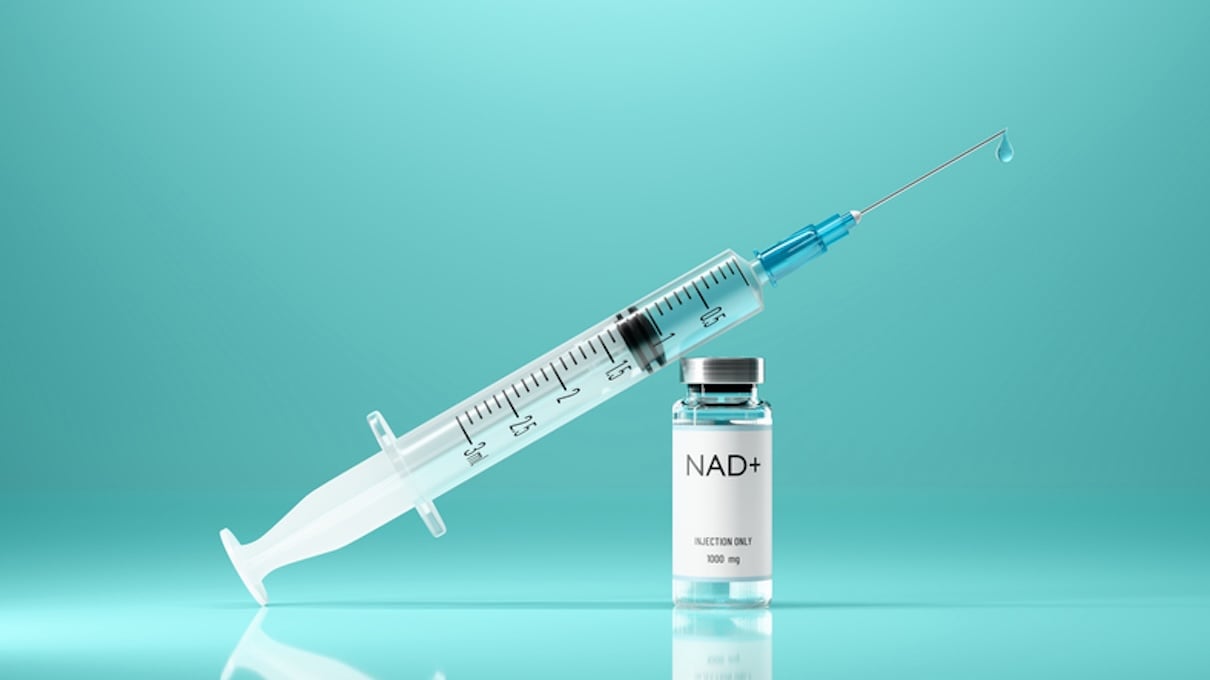
What about IV or injectable NAD+?
This delivers NAD+ directly to your bloodstream, skipping digestion entirely. This seems like the most effective option, and it is when it comes to quickly raising NAD+ in your blood. But there’s a catch. A large 2026 systematic review of NAD+ research that examined over 100 human and animal studies found zero controlled trials proving that intravenous or injectable NAD+ actually improves anti-aging or health outcomes in healthy people. It is also invasive and considerably more expensive than daily capsules. So the word “most direct” does not mean “most proven”, at least not yet. I’m not saying it doesn’t work, but if you’re interested, that’s the best conversation for healthcare providers to have, rather than just being influenced by the stories of wellness influencers.
Conclusion: What is NAD?
What is NAD? It’s a helper molecule that your body already makes in every cell that provides energy, DNA repair, drives your cell’s aging clock, and naturally declines as you age.
What is not NAD? Something that you are lacking and urgently need to acquire, or something that can be solved naturally with a single injection or pill. The most reliable method is layered. Stay physically active, eat foods that contain real niacin and protein, and ask your health care provider whether any fasting or dietary restriction approach is right for your lifestyle. If you need additional support, NMN currently has the most powerful and practical research of oral options.
If you’re wondering what NAD is and is it worth your time, this is the real answer. Your body is already doing that work. You get a say in how many resources you have to keep it going.