These days, modern health routines can seem more like science experiments than self-care. Case in point: the rise of peptides.
Peptides are increasingly becoming part of the cultural conversation. First there was the GLP-1 boom, which continues today as medicines become more available and advanced. Soon after, other peptides found their way out of biohacking circles and into the wider public, promising quick solutions to just about every health concern under the sun, including weight, inflammation, skin health, gut function, muscle growth, and more. Many of the peptides that come up in the conversation are not FDA approved or even clinically studied in humans, yet hobbyists can’t get enough of these peptides.
Peptide stacking, or combining peptides to personalize results, is becoming mainstream and will continue to grow in popularity. In March, Health Secretary RFK Jr. expressed interest in lifting the FDA’s ban on more than a dozen peptides that compounding pharmacies are allowed to manufacture and sell. Nevertheless, that doesn’t stop people from getting their stack through early adopter medical professionals or online marketplaces.
We asked some experts in the field what their own peptide stacks look like, what the results are, and what you need to know before exploring peptides on your own.
Three people talk about what a peptide stack is and why
Purvisha Patel, Maryland
Dr. Purvisha Patel, a dermatologist and Mohs surgeon at Advanced Dermatology & Skin Cancer Associates in Memphis, Tennessee, says of the KLOW stack:
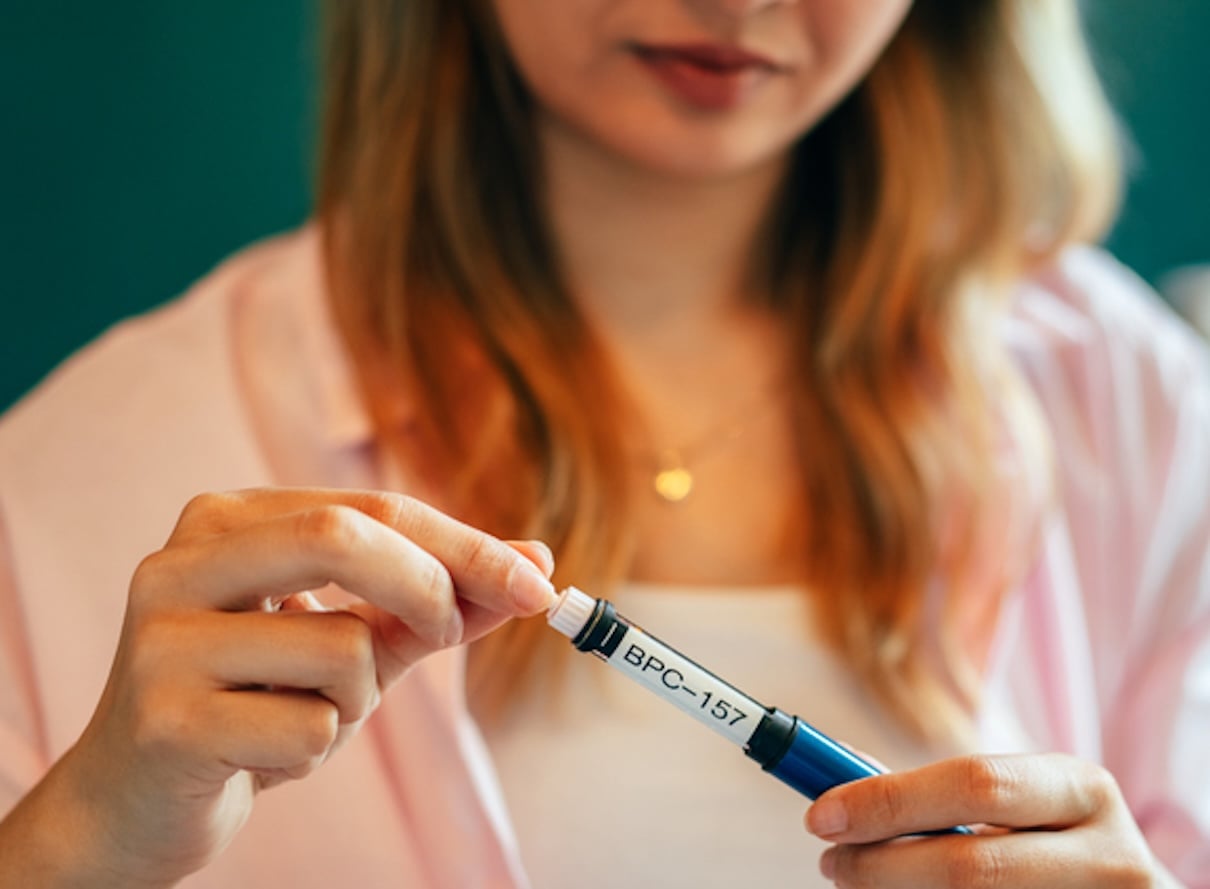
BPC-157: Focuses on tissue repair (tendons, ligaments, intestinal lining) TB-500: Promotes systemic recovery and new blood vessel formation GHK-Cu: Supports collagen synthesis, skin regeneration, and tissue generation KPV: Targets inflammation and supports immune health
Results: She has been taking the peptide stack for a year and says this is the first time in her life that she has felt better. She combines these with other healthy habits, such as daily workouts, a balanced diet, and regular skin treatments to stimulate collagen. In summary, “I try my best to stay young and active,” she says.
FYI: Dr. Patel reminded that most peptides are not permitted for compounding and emphasized that sourcing is unregulated. She also takes peptides sublingually (i.e., administered under the tongue). “They’re not as well absorbed as injectables, but they’re less likely to become contaminated and cause harm,” she says.
To further optimize safety, she advises consulting your doctor before starting peptide therapy and undergoing a thorough cancer screening beforehand. “Peptides do not differentiate between which cells they support or promote, including cancer cells,” she warns.
Chiara DeWitt, BSN, RN, CPN
Kiara Dewitt, a registered nurse, certified master nurse injector, and CEO of InjectCo, includes the following in her peptide stack:
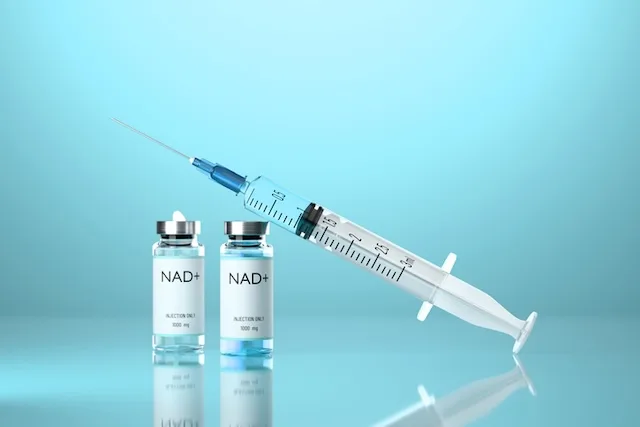
Low-dose Sermorelin: Supports recovery, sleep quality, and energy GHK-Cu: Skin quality and hair density NAD+: A coenzyme, not a peptide, that increases cellular energy and focus
Results: Dewitt started peptide therapy with sermorelin 14 months ago and has gradually added other therapies since then. She says her energy is more stable throughout the day, she sleeps more efficiently, and her skin texture and firmness has improved by about 20%.
FYI: Positive results aside, she points out that there are some caveats, including occasional injection site pain from sermorelin, an adjustment period to get used to the flushing sensation from NAD+, and a high price tag. She says she spends $250 to $600 a month in savings, which she gets through a reputable 503A compounding pharmacy (a pharmacy that dispenses non-mass-produced medications for patients).
If you’re interested in peptides, Dewitt has some advice. “Before you begin, be sure to work with a licensed health care provider who will order baseline tests (CBC, CMP, IGF 1, inflammatory markers, etc.),” she says. It also advises people to stay away from suspicious websites. “Sites selling it for $40 per vial are very risky in terms of contamination and dosing accuracy,” she warns.
michael zachman
Michael Zachman, owner of Madison Meds, an online telemedicine company that distributes peptides through 503a and 503b pharmacy partners, has the following in his peptide stack:
Low-dose tirzepatide: to maintain weight and control blood sugar and cholesterol levels GHK-Cu, BP-157, and TB-500: for anti-aging, recovery, and gut health
Results: “My experience with the stack has been great,” says Zachman. “In the last three months, I’ve noticed that my skin has cleared up. I’ve also noticed less aches and pains after workouts. I’m 42 years old, so anything helps at this point.”
FYI: Zackman points out that peptides have historically been difficult to obtain through a licensed health care provider, not to mention cost-prohibitive for many people. “Unfortunately, some individuals buy these peptides from gray zone markets and don’t know what they’re actually getting,” he warns (this is what inspired him to start his own company).
Key points of peptide stack
Some people swear by their peptide stacks, saying the results are life-changing (or at least positive). However, these reports are anecdotal and there is much work to be done to properly vet the safety and efficacy of most peptides. If you are interested in creating your own peptide stack, please understand that there are risks. Therefore, always proceed under the care of a medical professional.