We all did that. We planted something we like, sometimes a few years later, just to learn to be invasive where we live. In many cases, we can be forgiven. If the nursery sells it, the message that can be conveyed is that everything is going well. Nowadays, when home research is easier than ever, and when perceptions of invasive species are higher than ever, there are fewer excuses. Nevertheless, invasive plants are still sold by many growers, and the desire for some of them sometimes negates our ethicist within. This list of 13 invasive plants includes well-known and understandably attractive garden ornaments. Don’t plant them, and remove them if you currently have plants that are causing dissemination and harmful to the local ecosystem. Invasive plants are not in the house. It is moved by roots, runners, fruits and seeds.
But what do you think…?
First, disclaimer: This list of invasive plants is by no means complete and does not include plants such as magwart, Japanese nodule, and garlic mustard. But make sure you add plants you think should be addressed in the comments.
Butterfly bushes
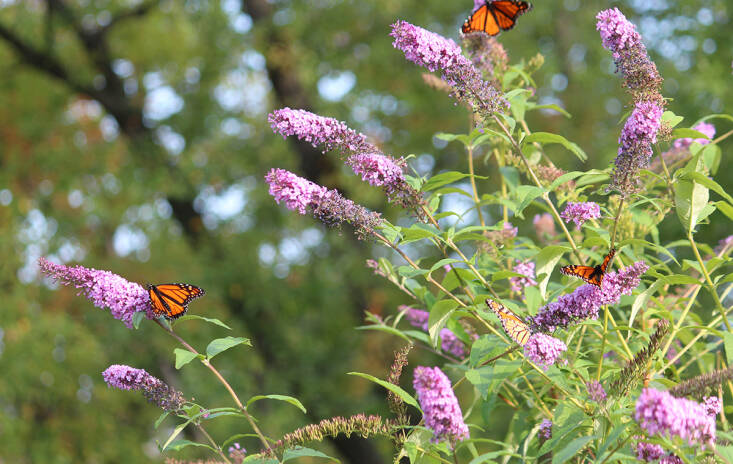
One of the most attractive invasive plants is butterfly bushes. It smells delicious, is beautiful, blooms repeatedly, and is attractive to butterflies. What do you not like? So let’s consider that the invasive Badruja Davidy is excellent at producing tens of thousands of lightweight, easily dispersed seeds, whose leaves, an essential food for butterfly larvae, beat the native flower shrubs that are their leaves. The nectar in butterfly bushes attracts adult butterflies, but this shrub is not a caterpillar host plant and cannot eat leaves. There are newer, so-called less fertilizer-free butterfly bushes cultivars, but be aware that they are not only still producing seeds, but also producing very few. avoid.
Instead, plant native flowering shrubs. Sweet Pepper Bush (Clethra alnifolia) is a good alternative to butterfly bushes with butterflies, scents and plenty of butterfly action at the end of summer.
Japanese honeysuckle

Perfume flowers may be attractive, but Lonicera japonica is now a serious plant thug in wild places that it is not native. Scramble vines use shrubs and trees to support them, creating dense shaded bushes that change local ecosystems by choking native seedlings. It spreads through the fruit and is nasty ripe during the fall journey. Birds move south and their seeds will disperse. Japanese honeysuckle is nutritionally reproduced through ground runners and underground rhizomes.
An alternative to Japanese honeysuckle is, of course, the native honeysuckle, Lonicera Sempervirens (but it does not have a scent). It’s very appealing for hummingbirds. For a fragrant alternative, try Star Jasmine (Tracherosulmamu jasminoid) or honeybee-friendly yellow Jessamine (Carolina Jasmine – Jeremiunsemperbilence).
China and Japan windows
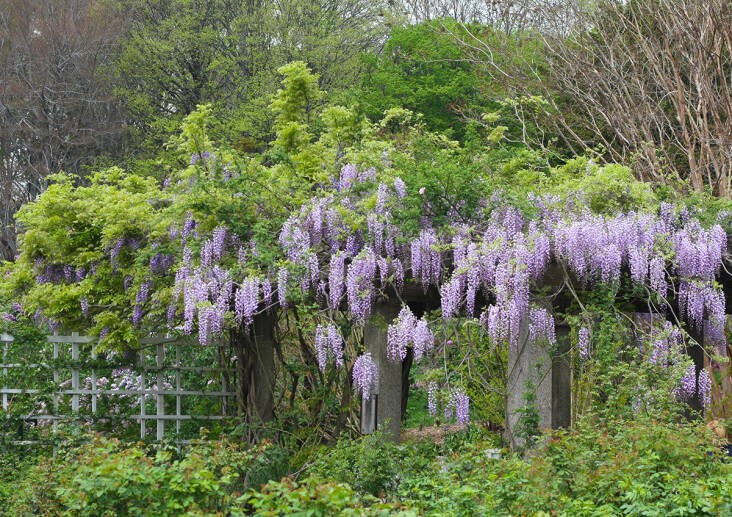
I admire the long ears of Wisteria Sinensis and W. Floribunda dripping from Pergolas in the Botanical Garden. Then you can drive along the Pallisard Parkways in New York and New Jersey and see the same grape cascades from the bent branches of oak, maple and sycamore. It’s beautiful, but it’s fatal. This wizard’s strong vine passes through the bark and gradually causes death. Their choking habits also alter natural forest ecology. The window wister spreads into nutrients, grows easily from cuttings and new shoots, and grows by seeds that explode from the pod when ripe. The seeds also migrate along the waterway and germinate downstream.