The best Black Friday kitchen tools are the few you will reach for every week: a sharp knife, a steady cutting board, a good pan and a sheet tray. In this guide you will set your buying criteria first, compare options by type and run a short check before anything goes in your cart.
This is general information, not medical advice or dietary advice. Talk to your doctor or a registered dietitian about your own needs, especially if you have a health condition, take medication, are pregnant or are changing how you eat.
The short answer
Sales make it easy to buy gadgets that end up in a drawer. A calmer approach is to start with how you actually cook. If most of your meals are chopped vegetables, a protein and a grain, then a knife, a board, one heavy pan and a rimmed sheet tray may cover most nights. Many people find that a short list, decided before the sale starts, keeps the kitchen useful and the spending steady. Everything below is criteria first. We do not list prices, we have not tested products, and this guide contains no affiliate links.
What to look for first in Black Friday kitchen tools
Before you look at a single deal, write down your answers to these questions. They become your buying criteria.
- How often will I use it? A tool you use weekly earns its space. A tool you might use twice a year usually does not.
- Does it fit my kitchen? Measure your oven, your sink and your storage. A pan that will not fit in the sink is hard to clean.
- Can I clean it easily? Read the care instructions. Some materials need hand washing, drying straight away or regular oiling.
- Is it comfortable to hold? Weight and handle shape matter, especially if your hands or wrists get tired.
- Does it replace something, or add to the pile? The best upgrade often replaces a worn tool rather than adding a new one.
- What does the return policy say? Sale items sometimes have shorter return windows. Check before you buy.
Keep this list open on your phone while you shop. If a deal does not pass at least the first three questions, it is worth skipping.
How to compare options
Once you know what you need, compare a few options side by side using the maker’s published information. Here is a simple way to do it without getting lost in reviews.
- Pick two or three options for one tool type, not ten.
- For each, note the material, the size or weight, the care instructions and the warranty, using only what the maker publishes.
- Check whether it is dishwasher safe, oven safe, or both, and up to what limit the maker states.
- Read the return and warranty terms in full, not just the headline.
- Compare against your criteria list, not against the size of the discount.
A lower price on a tool that fails your criteria is still a tool you may not use. A tool that fits your kitchen and your habits is the better buy, even on a day full of deals.
Options by type
Knives and cutting boards
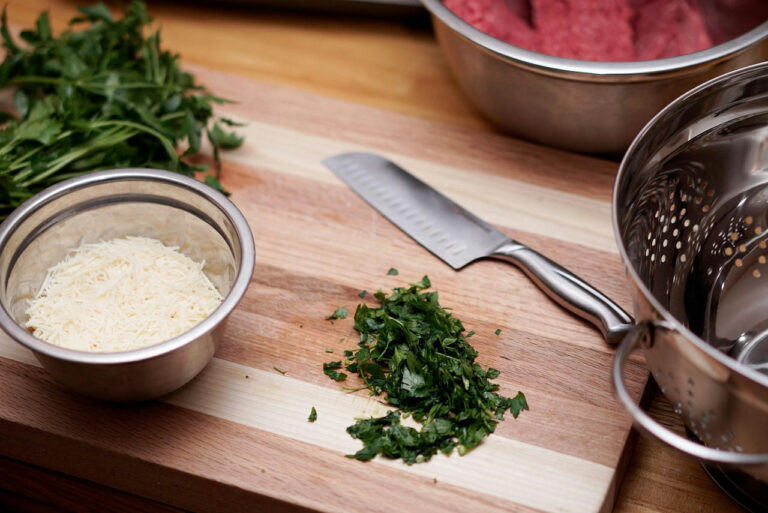
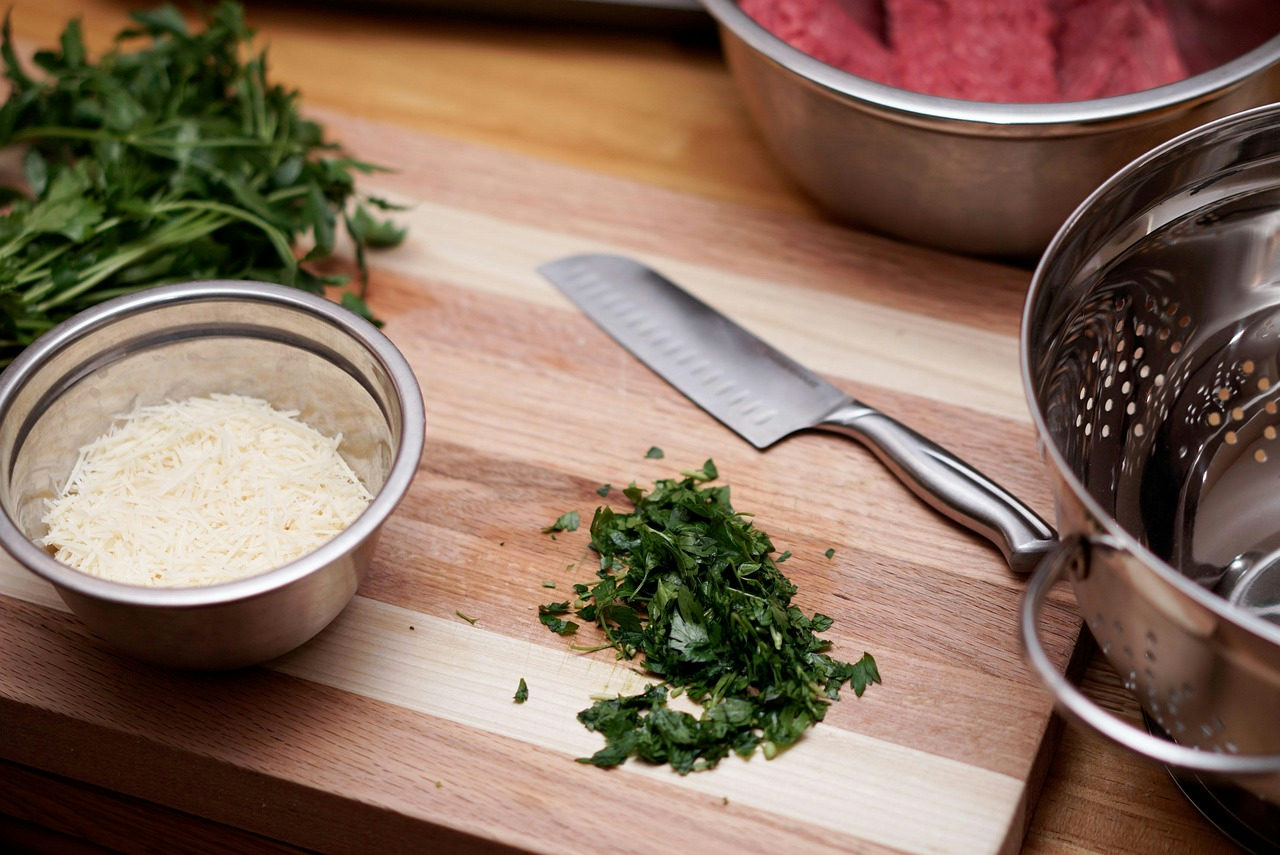
For most home cooks, one chef’s knife and one paring knife do most of the work. When comparing knives, look at the published blade length, the handle material and whether the maker recommends hand washing. A knife that feels balanced in your hand may support safer, steadier chopping. If you can, hold it in a store before buying online.
For boards, think about size and cleaning. A large board gives you room to work. Many cooks keep one board for raw meat and another for produce, which follows the separate step in the food safety basics from FoodSafety.gov’s four steps to food safety. Check whether the board is dishwasher safe and whether the maker suggests oiling it.
Pans and sheet trays
A heavy skillet and a rimmed sheet tray can handle a lot of whole-food cooking: roasted vegetables, eggs, fish, chicken and one-pan dinners. When comparing pans, look at the material, the weight, oven safety and care. Some pans need seasoning, some need gentle utensils, and some are fine in the dishwasher. Read the maker’s instructions before you decide which kind of care you are happy to do.
For sheet trays, a rim keeps juices in, and a size that fits your oven with space around it may help food cook more evenly. Check the published dimensions against your oven before you order.
Small tools that earn their space
- A food thermometer. It takes the guesswork out of cooking meat and leftovers. The safe internal temperatures to check against are listed on the FoodSafety.gov safe minimum internal temperature chart.
- A vegetable peeler and a sturdy grater. Simple, cheap to replace and used often.
- Glass storage containers. Useful for batch cooking and leftovers. Check whether the lids are oven or microwave safe.
- A large mixing bowl. For salads, grains and marinating.
Matching tools to how you cook
The right short list depends on the meals you make most. Here are a few common patterns and the tools that tend to suit them.
- If you mostly roast vegetables and proteins: a rimmed sheet tray, a heavy skillet, sturdy tongs and an oven mitt you trust. A second sheet tray may help on busy nights, so vegetables are not crowded.
- If you cook grains, beans and soups: a medium saucepan with a tight lid and a larger pot. Check the published capacity against how many people you usually cook for.
- If you batch cook for the week: glass containers in two or three sizes, a large mixing bowl and labels or tape for dates. Storage that stacks neatly may make it easier to see what you have.
- If you are cooking for one: smaller is often better. A small skillet and a quarter-size sheet tray heat quickly and are easy to wash.
- If you are just starting out: one knife, one board, one skillet and one sheet tray. Cook with them for a month, then decide what is missing.
Write your pattern at the top of your criteria list. It keeps you focused when a deal on something unrelated looks tempting.
Setting a calm sale plan
A plan made before you shop for Black Friday kitchen tools may help you avoid rushed decisions. Pick a total you are comfortable spending, list the tools in order of priority and decide in advance that anything not on the list waits until after the sale. If two items compete for the same spot, choose the one you would use more often. This is our suggestion, not a rule, and it works best when you adjust it to your own budget and kitchen.
Tools to skip, or at least pause on
- Single-use gadgets that do one job a knife already does.
- Large appliances you have no counter or cupboard space for.
- Bundles where you only want one item in the set.
- Anything bought mainly because the timer on the deal is running out.
If you are unsure, add it to a list and come back after the sale. If you still want it a week later, it may be worth buying at full price anyway.
What to check before you buy
Run this short checklist on your Black Friday kitchen tools before you check out:
- It passes your first three criteria: you will use it often, it fits your kitchen and you can clean it.
- You have read the care instructions and you are happy to follow them.
- You know the return window and who pays for return shipping.
- You know what the warranty covers, from the maker’s own page.
- It replaces a worn tool, or fills a real gap in how you cook.
- You have space to store it.
If an item fails two or more of these, it is a good one to leave in the cart.
When to ask a professional
Kitchen tools are not a health decision on their own, but how you cook can be. If you are changing how you eat because of a health condition, food allergy, pregnancy or medication, talk to your doctor or a registered dietitian about what fits your needs before you plan meals around new equipment. If you notice hand, wrist or grip pain when chopping or lifting pans, pause and ask your doctor whether lighter tools or different techniques may help.
Questions you might bring to that appointment:
- Are there cooking methods you would suggest for my situation?
- Are there foods I should be careful with while I change how I cook?
- Would a registered dietitian be able to help me plan simple weekly meals?
What is sourced and what is our suggestion
Sourced: the advice to keep raw meat separate from produce, and the use of a food thermometer, come from FoodSafety.gov, linked above. The idea of building meals around vegetables, grains and protein follows the USDA MyPlate guidance.
Our suggestion: the buying criteria, the comparison steps, the tool types and the skip list are the Nourish Flourish Hub editorial team’s practical suggestions for home cooks. They are not product endorsements, and we have not tested any product mentioned here.
Further reading
FoodSafety.gov, 4 Steps to Food Safety.
FoodSafety.gov, Safe Minimum Internal Temperature Chart.
USDA MyPlate, What Is MyPlate.
Last reviewed: November 2026.