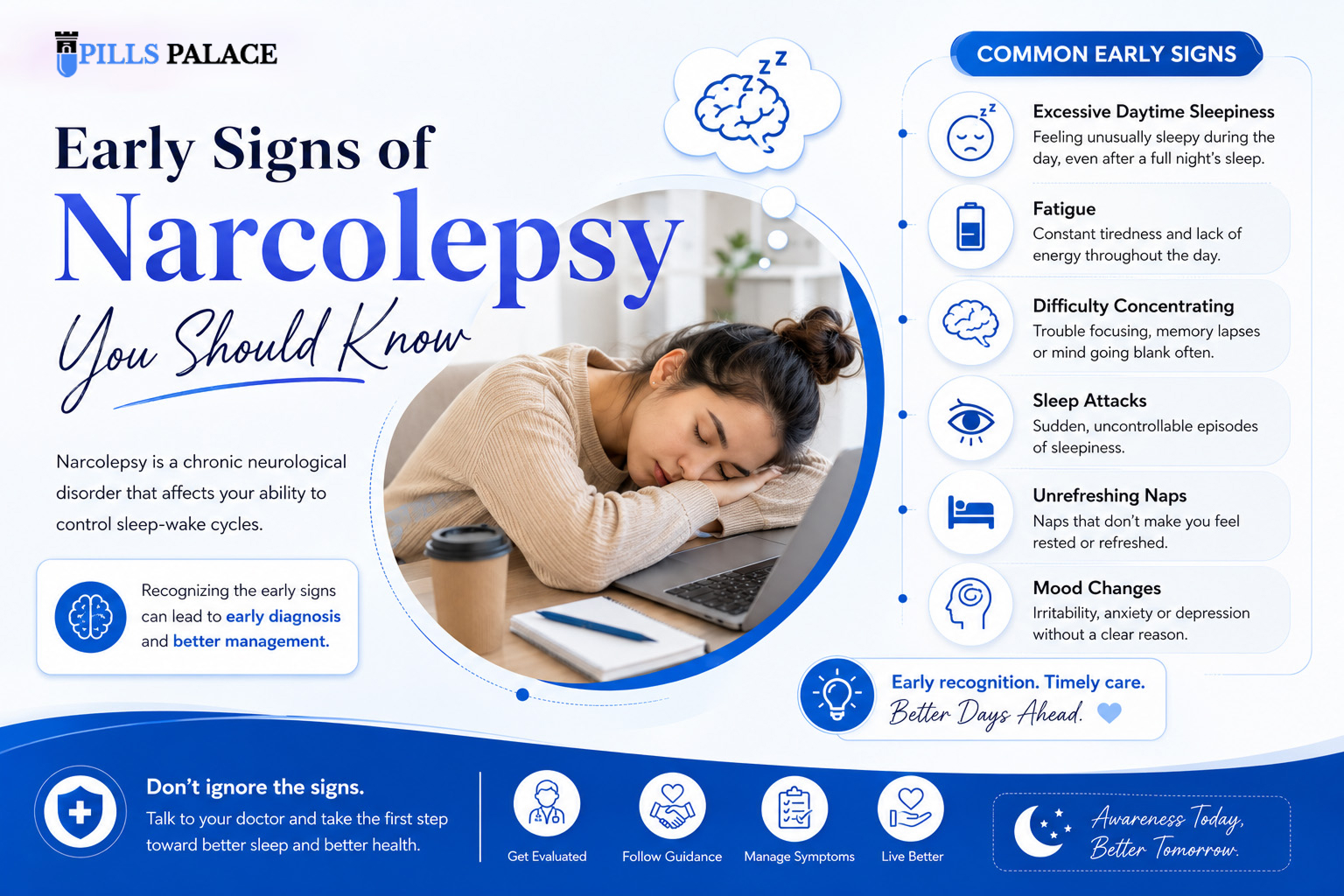
Narcolepsy is a chronic neurological disorder that affects the brain’s ability to regulate sleep-wake cycles. It is characterized by excessive daytime sleepiness, cataplexy, sleep paralysis, and hallucinations. If left untreated, narcolepsy can have a significant impact on a person’s quality of life, so it is essential to recognize the early signs of this condition.
What is narcolepsy?
Narcolepsy is a neurological disorder that affects the brain’s ability to regulate sleep and wakefulness. It is estimated that approximately 1 in 2,000 people in the United States have narcolepsy, but it is often misdiagnosed or undiagnosed. There are two main types of narcolepsy: type 1 and type 2.
Type 1 narcolepsy: This type is characterized by excessive daytime sleepiness, cataplexy, sleep paralysis, and hallucinations. Cataplexy is a sudden loss of muscle tone that can cause weakness and paralysis. Type 2 narcolepsy: This type is characterized by excessive daytime sleepiness but no cataplexy. People with type 2 narcolepsy may experience sleep paralysis and hallucinations, but they do not experience cataplexy. See more: Tips to manage narcolepsy naturally
Early signs of narcolepsy
Recognizing the early signs of narcolepsy is critical for proper diagnosis and treatment. Here are some common early signs of narcolepsy.
Excessive daytime sleepiness (EDS): This is the most common symptom of narcolepsy. People with EDS feel tired and sleepy during the day, even after getting a good night’s sleep. Sudden sleep attacks: People with narcolepsy may experience sudden sleep attacks. This can occur at any time, even during activities such as eating, talking, or driving. Cataplexy: Cataplexy is a sudden loss of muscle tone that can cause weakness and paralysis. It is often triggered by strong emotions such as laughter, surprise, or excitement. Sleep Paralysis: Sleep paralysis is a condition in which a person is unable to move or speak while falling asleep or waking up. It can be a frightening experience, especially if it happens frequently. Hallucinations: People with narcolepsy may experience vivid and realistic hallucinations. These hallucinations may occur when falling asleep or upon waking up. Click for details: How narcolepsy affects your daily life
Causes of narcolepsy
The exact cause of narcolepsy is not completely understood, but it is thought to be related to a combination of genetic and environmental factors. Possible causes of narcolepsy include:
Genetics: Narcolepsy can run in families, suggesting that the disorder may have a genetic component. Autoimmune disease: Some research suggests that narcolepsy may be an autoimmune disease in which the immune system mistakenly attacks healthy cells in the brain. Brain chemistry: Narcolepsy may be related to an imbalance in brain chemistry, particularly the neurotransmitters that regulate sleep and wakefulness. Head trauma: Head trauma, such as a concussion, can increase your risk of developing narcolepsy. Learn more: The relationship between narcolepsy and mental health
Diagnosis of narcolepsy
Diagnosis can be difficult because the symptoms of narcolepsy can be similar to those of other sleep disorders. The diagnosis of narcolepsy is usually based on a combination of:
Medical history: A detailed medical history can help identify symptoms and sleep patterns. Physical exam: A physical exam can help rule out other disorders that may be causing your symptoms. Sleep tests: Sleep tests, such as polysomnograms (PSG) and multiple sleep latency tests (MSLT), can help diagnose narcolepsy. Genetic testing: Genetic testing can help identify genetic mutations that may be associated with narcolepsy.
Treatment options for narcolepsy
Although there is no cure for narcolepsy, there are some treatments available to manage the symptoms. These include:
Medications: Medications, such as stimulants, antidepressants, and sodium oxide, can help manage symptoms such as excessive daytime sleepiness and cataplexy. Lifestyle changes: Lifestyle changes such as maintaining a regular sleep schedule, avoiding heavy meals, and exercising regularly can help manage symptoms. Behavioral therapy: Behavioral therapy, such as cognitive behavioral therapy (CBT), can help people with narcolepsy develop coping strategies and manage their symptoms. Support Groups: Support groups can provide emotional support and connect individuals with others experiencing similar symptoms. Read more: What are the 5 signs of narcolepsy?
living with narcolepsy
Living with narcolepsy can be difficult, but with the right treatment and support, you can manage your symptoms and improve your quality of life. Here are some tips for living with narcolepsy.
Stay organized: Keep a sleep diary to track your symptoms and identify patterns and triggers. Establish a sleep schedule: Establish a regular sleep schedule and stick to it, even on weekends. Avoid heavy meals: Try to avoid heavy meals close to bedtime, as this can disrupt sleep and worsen symptoms. Get regular exercise: Regular exercise can help improve sleep quality and reduce symptoms. Connect with others: Connect with others with narcolepsy through support groups and online forums to share experiences and advice.
conclusion
Narcolepsy is a chronic neurological disorder that affects sleep and wakefulness. Recognizing the early signs of narcolepsy is critical for proper diagnosis and treatment. Understanding the causes, symptoms, and treatments for narcolepsy can help you take control of your condition and improve your quality of life. If you or someone you know is experiencing symptoms of narcolepsy, it is important to see a doctor and get a diagnosis. With the right treatment and support, people with narcolepsy can manage their symptoms and live full, active lives. Visit Pillspalace for trusted healthcare information and wellness resources.
For more information about narcolepsy, check out the following resources: