Most people spend their free time scrolling through their gadgets, but as a gardener I prefer to plant.
Spring, the main season for gardening, is coming to an end, and I’m thinking about how to spend it. Fortunately, there are many plants you can grow in July and harvest by fall.
July may seem like too late to start something new, but the warm soil and long days are actually advantageous for many vegetables.
Choose plants that are thermophilic and mature quickly. That way, they have enough time to establish quickly and produce before the first frost.
Think of July planting as a reset button.
Maybe the lettuce has died in the June heat, or the vacant lot where the peas used to be has just been left unused. This is your chance to fill in those gaps and get your garden back in working order.
The best thing is that you don’t have to wait for a slow spring. The seeds enter the warm soil and germinate quickly, so you’ll see progress within a few days.
Is July too late to plant?
Not at all. In fact, warm soil speeds germination, so seeds planted now may germinate faster than seeds planted in the spring.
Your true success depends on two things. It all depends on the date of the first frost and choosing plants that are suitable for this window. Early crops have plenty of time to grow and produce before the cold weather sets in.
Not sure where you stand? Check your USDA hardiness zone. This will tell you how much growing time you have left and which plants are worth putting in the ground now.
29 vegetables and flowers that can be planted even in July
Vegetables and flowers not only share space in the garden, but also help each other.
Flowers attract pollinators to improve fruit set and keep pests away, while vegetables return the favor with shade and ground cover that keeps the soil cool and moist.
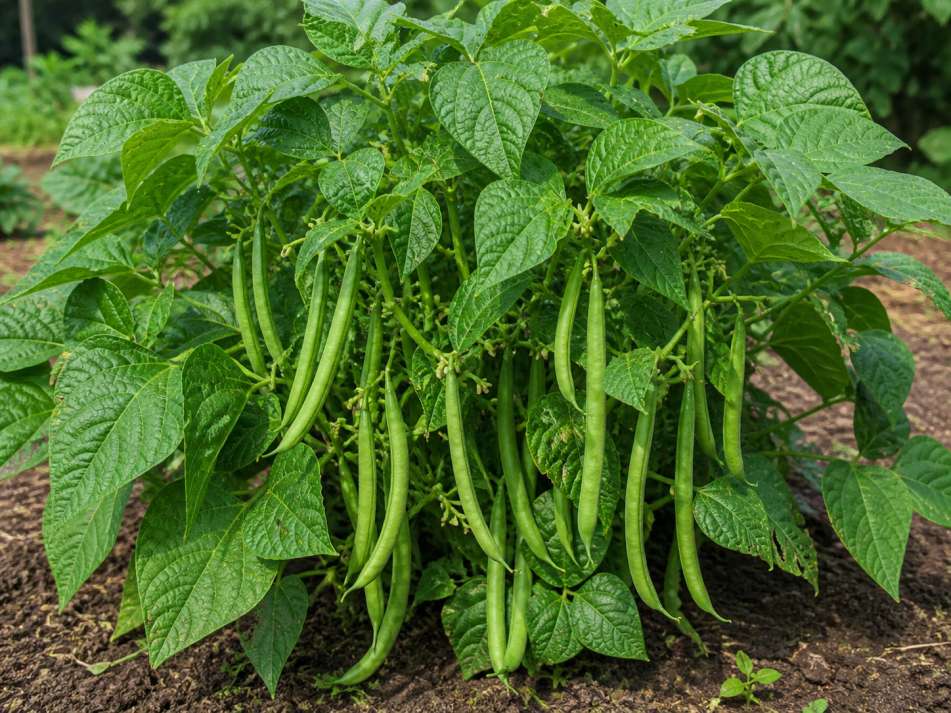
1. Bush beans
Green beans love heat and the warm soil of July allows them to germinate quickly without much effort. They will be ready to harvest in about 50 to 55 days, so there is still plenty of time before the first frost.
For best results, keep the soil constantly moist while the seeds germinate. A light mulch layer will help retain moisture during the hottest months of summer.
2. Cucumber

Cucumbers thrive even in the July heat and grow rapidly when the soil warms. They’ll be ready to harvest in about 50 to 65 days, so you’ll have fresh cucumbers well before fall arrives.
Water the soil evenly, as cucumbers are mostly water and can become bitter if they dry out. A trellis also helps keep the vines off the ground and the fruit clean.
Also read: 19 vegetables to plant in August
3. Summer Squash
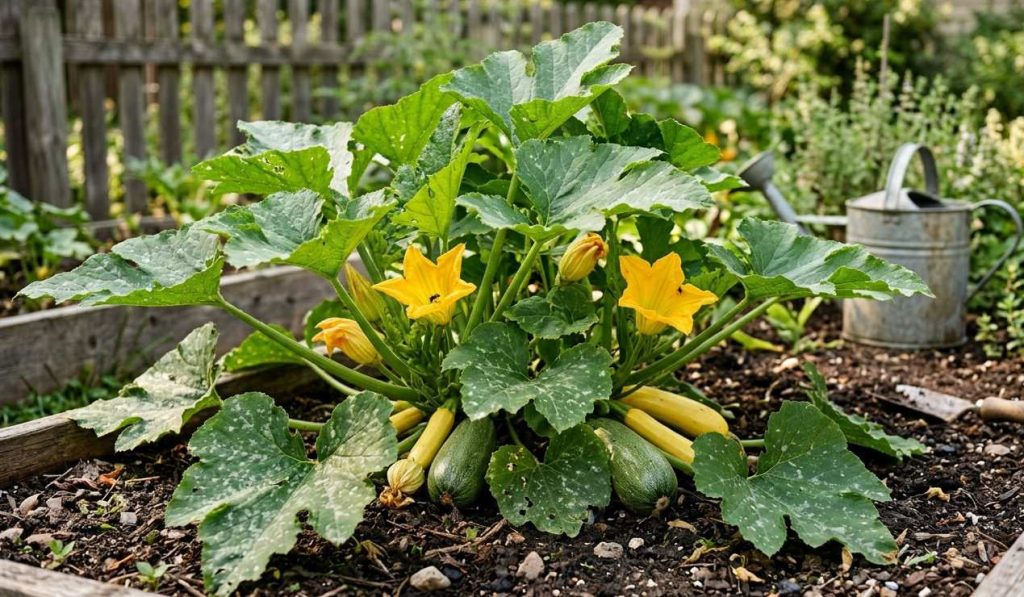
Summer squash are one of the earliest growers that can be planted in July and are often ready to harvest in just 45 to 55 days. Warm soil speeds up the germination of seeds, so you won’t have to wait long to see results.
The plant will spread more than expected, so give it plenty of space. Watering the plant regularly and placing it in a sunny location will help ensure a successful harvest.
4. Zucchini

Zucchini really grows explosively when the heat starts in July and is usually ready to harvest in 45 to 55 days. It’s a reliable choice if you want a quick and generous harvest without too much effort.
Zucchini can go from perfect to oversized overnight, so check your plants every few days once they start producing. Continuous watering will prevent the fruit from becoming bitter.
5. Carrot

As the heat of summer subsides and the days begin to get milder for fall, carrots settle down nicely.
It is difficult to transplant, so sow directly into loose, well-drained soil. It typically takes 60 to 80 days to mature and actually becomes sweeter when the weather gets a little cooler for harvest.
Carrot seeds are notoriously slow to germinate and don’t like dry conditions, so keep the soil moist while the seeds germinate.
Check this out: What vegetables to plant in summer?
6. Beats

Beetroot has a surefire dual effect, giving you both roots and greens in one planting.
It matures in about 50 to 60 days, making it ideal for a July start with plenty of time before frost. Thinning seedlings early gives the roots room to grow properly.
Beets can’t compete well with their dense neighbors, so water them regularly and keep your flower beds free of weeds.
7. Radish
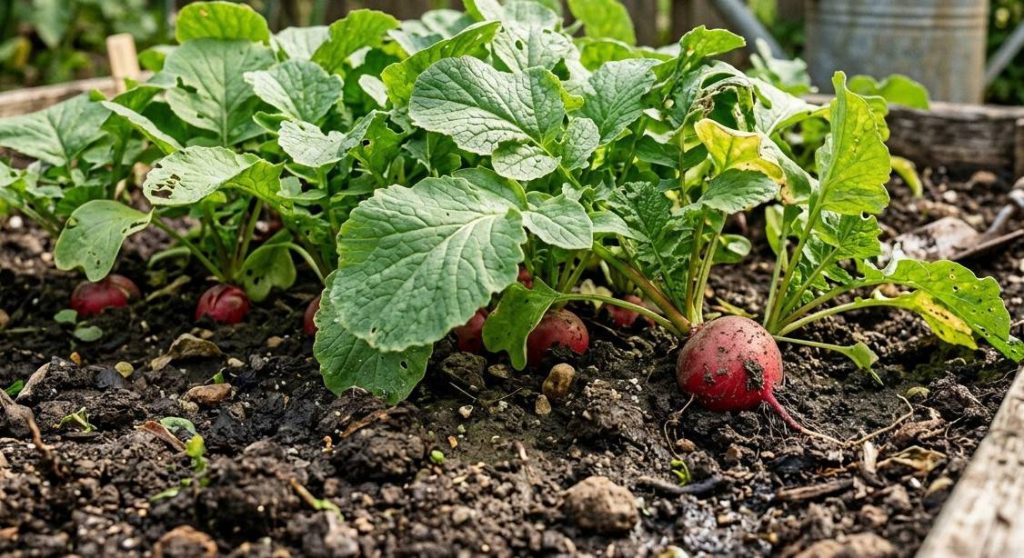
Radishes are the earliest reward from July planting.
Depending on the variety, they can be ready in just three to four weeks, so you can sneak in a few cultivations before fall settles in. They prefer cool soil, so a little shade in the afternoon during the peak of summer heat will help their cultivation.
If you leave daikon radish for too long, it will become woody and lose its flavor, so keep the soil moist and harvest as soon as it ripens.
8. Turnip

Turnips are an easy, low-maintenance crop that provides both roots and greens.
They mature in about 50-60 days and fit comfortably into the July planting period. Thin the seedlings early to give the roots enough space to develop properly.
Remember to keep the soil evenly moist and harvest vegetables that taste as good as the roots.
9. Kale

In fact, kale tastes better as the weather cools, making it a great start to July.
Ripening takes about 50 to 65 days, and the flavor becomes even sweeter with a light frost at the end of the season. To prevent bitterness, water consistently during the hottest months of summer.
Space your plants far enough apart to allow for good airflow and help prevent pests and diseases as they foliage.
Also read: 17 Creative Small Backyard Garden Ideas
10. Swiss Chard

Swiss chard is more heat tolerant than most leafy greens, making it a good choice for picking in July. It matures in about 50 to 60 days, and if you harvest the outer leaves and keep the center growing, it will continue to produce until fall.
11. Spinach (late July in cooler regions)

Spinach doesn’t tolerate the summer heat, so if you live in a cooler area, it’s best to store it until late July. Wait for temperatures to begin to cool before sowing, and you can expect to harvest approximately 40 to 45 days after the seedlings germinate.
Spinach grows faster in warm soil, so shading it with fabric for the first few weeks will make a big difference.
12. Lettuce (heat-tolerant variety)
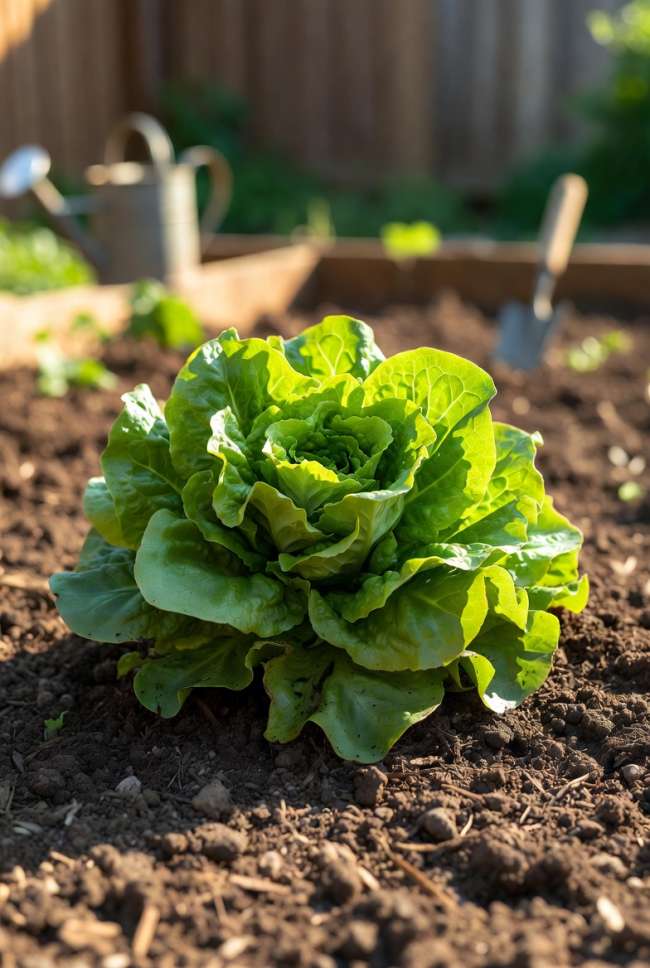
Regular lettuce gets hot in July, but if you have varieties that are tolerant of the heat, you can still get a good harvest. Look for varieties that are resistant to bolting and expect them to be ready in about 45 to 55 days.
Planting in an area with afternoon shade is very helpful, and keeping the soil constantly moist will prevent the leaves from becoming bitter.
13.Arugula

Arugula grows quickly and doesn’t require much, being ready for harvest in just 30 to 40 days. A little afternoon shade during the peak of summer heat is best, as too much sun can cause early fruiting and sharp, spicy leaves.
Also read: 17 best vegetables to grow on a trellis
14. Bok choy

Bok choy is great if you want something quick and hassle-free, and it matures in about 45 to 55 days. Prefers consistent humidity and a little shade during the hottest parts of the day.
For the best flavor, harvest before the ears emerge, especially if there is a heatwave during the growing season.
15. Mustard greens

Takana grows quickly without worrying too much about the summer heat, and can be harvested in about 30 to 40 days. The leaves become more pungent as the temperature rises, so if you prefer a milder flavor, harvest them when they are young.
16. Green onion

Leeks are almost always best planted in July and will be ready in about 60 to 70 days. It doesn’t take up much space and you can squeeze it between other vegetables without any problem.
You can also keep the soil moist and cut some out early for fresh flavor while the rest continues to grow.
17. Coriander

Coriander grows quickly in the heat of summer, so plant it in an area with afternoon shade to extend the harvest season. It will take about 45 to 50 days to complete, but you can start cutting the leaves sooner if you like.
18. Dill

Dill tolerates heat moderately and grows quickly, being ready for harvest in about 40 to 50 days. If you want the second round to appear automatically later in the season, let some plants bloom and go to seed.
19. Basil

Basil is practically produced in July and thrives in the heat, growing rapidly once the soil warms. You’ll be ready to start harvesting in about 30 to 60 days, and regular picking will keep your plants thick and productive all summer long.
Be careful not to flower too early, as this will divert the plant’s energy away from producing tender, flavorful foliage.
20. Peas (late July in cooler regions)
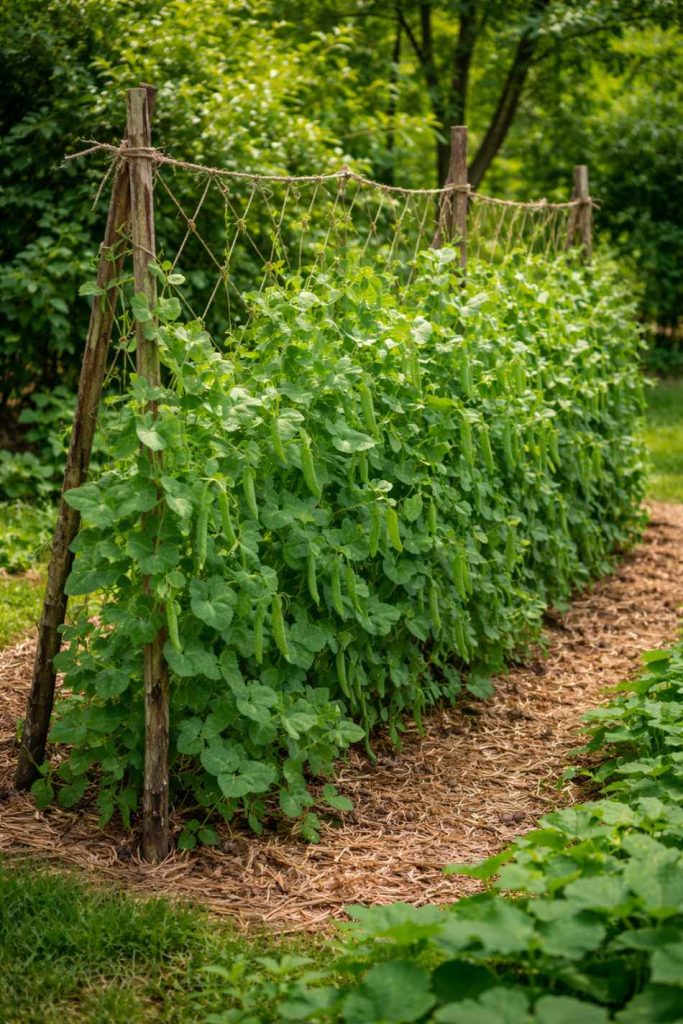
Peas don’t like the heat of summer, so if you’re in a cooler climate with an eye on a fall harvest, late July is the best time to plant them. It takes about 60 to 70 days to mature, but a little shade in the afternoons can help it get through the harsh summer heat.
flowers planted in july
The July heat does not scare these flowers, it just makes them grow.
21. Sunflower

Sunflowers thrive in the heat of summer and grow rapidly when the soil warms. Most varieties bloom in about 60 to 70 days, producing tall, brightly colored blooms well before fall.
If you’re growing taller varieties, give them full sun and firm support, as they can become top-heavy once the flowers open.
22. Zinnia

Zinnias are as easy to care for as flowers, blooming in just 60 to 70 days from seed. It loves the sun, and if you periodically kill off the dead flowers, it will continue to produce new flowers until frost.
23. Cosmos

Cosmos tolerates heat and neglect better than most other cosmos in the garden, and blooms in about 50 to 60 days. In fact, they grow better in average soil, so omit extra fertilizer and let them do their job.
24. Marigold

There’s a good reason why marigolds are a popular July flower: they bloom in just 45 to 50 days with little care. It is resistant to heat and blooms steadily from summer to autumn.
25. Nasturtium

Nasturtiums are fast-growing, flowering in about 35 to 65 days, and thrive in poor soil where other flowers may not grow. They spread easily, so give them space or trail them if you want natural ground coverage.
26. Calendula (cool climate or late July)

Calendula prefers mild temperatures, so it’s best grown in cooler climates or planted in late July when the heat begins to ease. Once the temperature stabilizes, it will bloom in about 50-55 days.
27. Sweet Alyssum

Sweet alyssum has low, spreading flowers that fill gaps in the garden well and bloom in just 40 to 45 days. It prefers a bit of afternoon shade during the peak of summer heat and imparts a light honey-like scent.
28. Bachelor’s button (in some areas it blooms in autumn, so it blooms in late July)
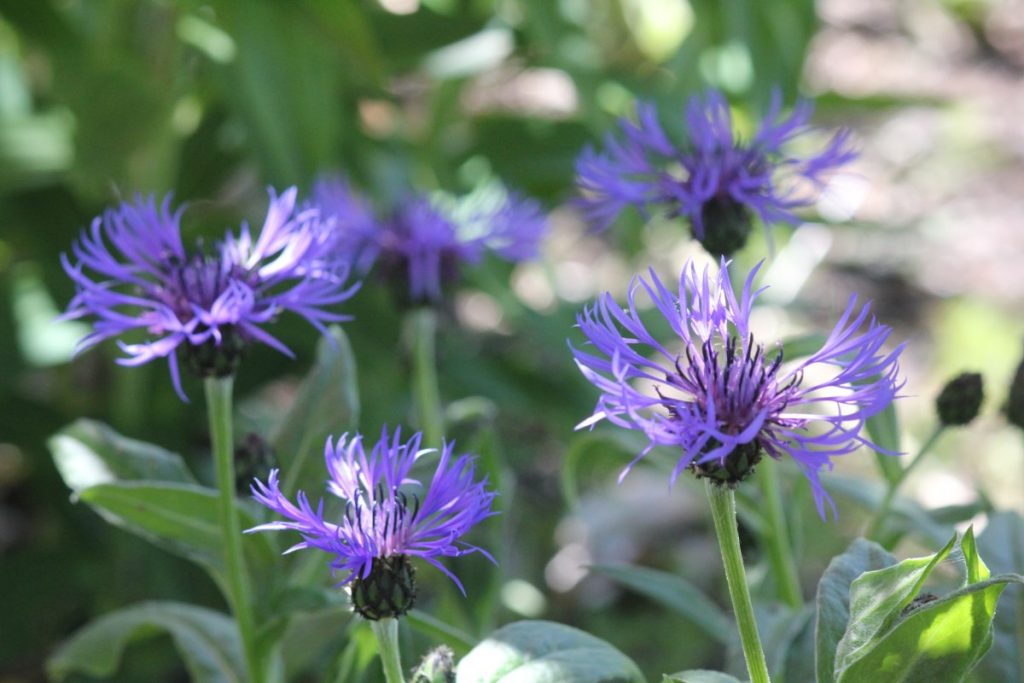
Bachelor’s peonies do best when planted in late July in most areas and timed for fall blooming once the weather has cooled a bit. It takes about 65 to 70 days to bloom and doesn’t need much other than well-drained soil.
29. Black-eyed Susan
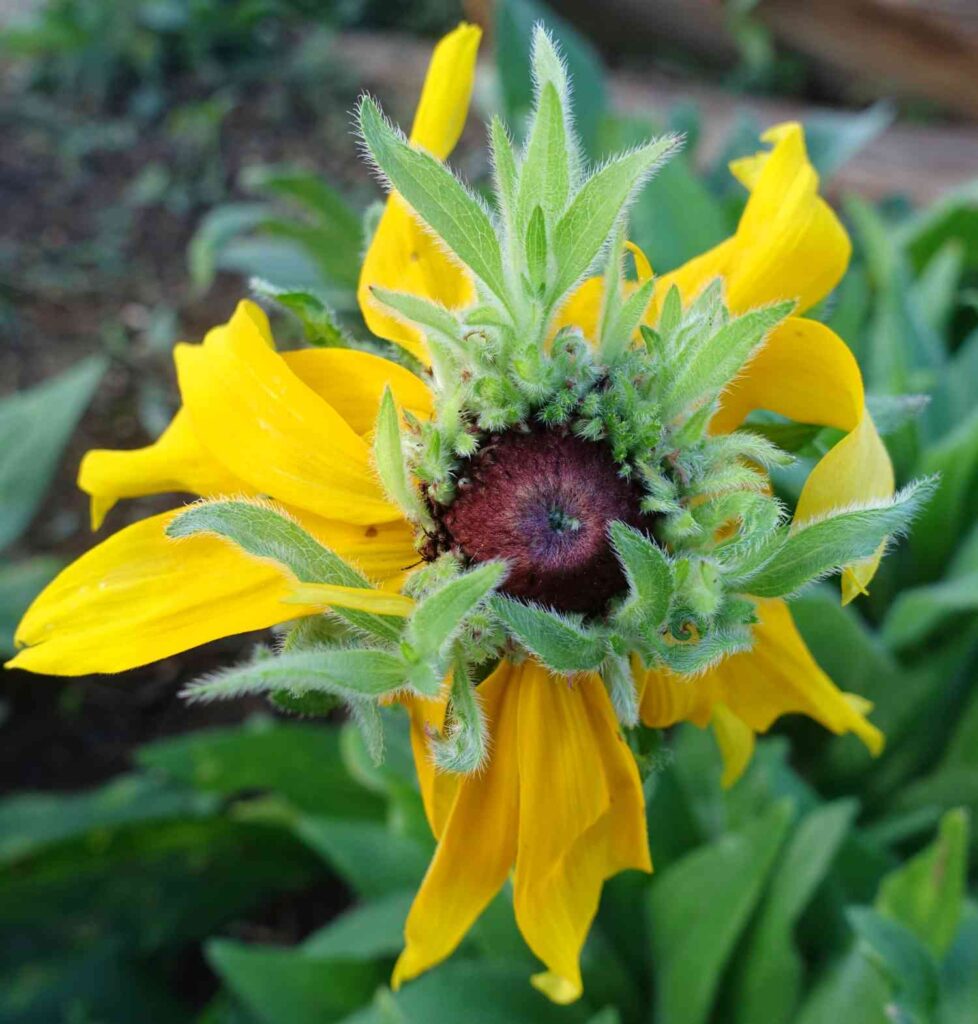
Black-eyed Susan is a hardy, cheerful bloomer that tolerates the summer heat without complaint, flowering in about 65-70 days. Perfect if you need a reliable color that will last well into fall.
July planting tips for a better harvest
A few small habits can make a big difference in how your garden performs in July.
Water deeply, but not often. Frequent shallow watering will keep the roots close to the surface and dry out quickly in the summer heat. Deep soaking several times a week will grow stronger, more resilient plants.
Decide when to plant early in the morning or in the evening. Placing seeds or seedlings in the ground during the cooler hours of the day reduces stress and allows them to take root without wilting.
Be careful of pests. Summer heat increases insect infestation, so check your plants regularly and address problems early before they spread.
Don’t neglect succession planting. Many July crops mature quickly, so they are often suitable for a second planting before fall, especially radishes, lettuce, and greens.
conclusion
July may not be the time of year for most gardeners to think about starting something new, but as you can see, it’s never too late. With the right vegetables and flowers, gardening can be one of the most rewarding periods of the year.
Instead of reaching for your phone on a warm afternoon like this, grab your trowel. With a little effort now, you’ll have a colorful garden and fresh harvest all through fall.

Khaja Moinuddin, a computer science graduate, enjoys gardening and homesteading. Join us on this blog where he shares his experiences with home growing, gardening, and composting.