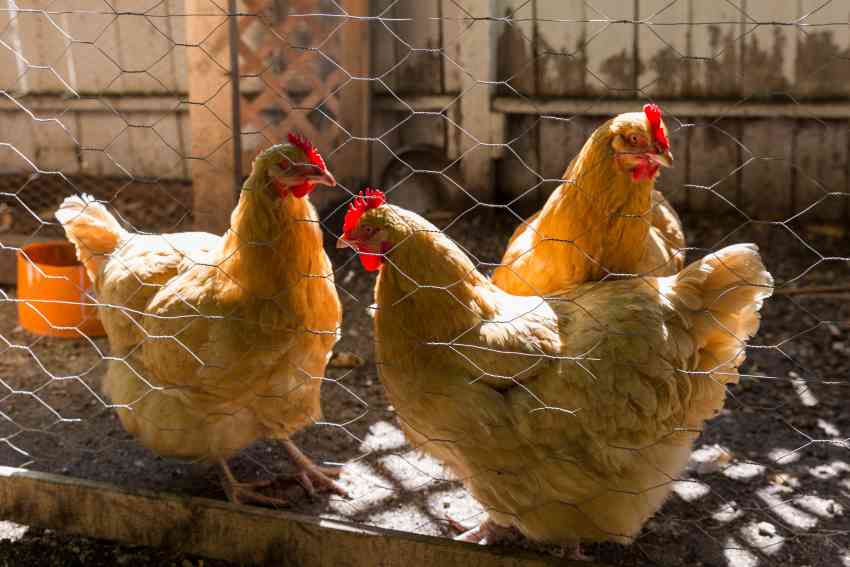
Raising chickens can be fun and exciting, but you also have to deal with challenges such as health issues, coop maintenance, and predators.
Internal parasites are one of the common problems experienced by most poultry owners.
Commercial dewormers are also suitable, but many poultry keepers prefer natural methods that are gentler on the birds and do not require an egg collection period.
In this article, you will learn thoroughly about effective natural deworming methods for chickens.
These strategies will help keep your chickens healthy, keep them happy, and maintain steady egg production without the use of harsh chemicals.
From preventative coop management to powerful herbal remedies, you’ll learn how generations of poultry farmers have used natural medicine to manage insect infestations.
Find out how to protect your feathered friends from bugs the natural way!
understanding chicken bugs
Before getting into treatments, it’s important to be aware of the common types of parasites that affect chickens.
Roundworms: The most common internal parasite, they appear as spaghetti-like creatures in your feces. They can grow up to 3 inches long and live in the small intestine, where they absorb the nutrients the chicken needs. Cecal worm: A small worm that lives in the cecum (intestinal pouch). Direct damage is minimal, but it can transmit Histomonas meleagridis, which causes blackhead disease. Tapeworm: A flat, segmented worm that uses hooked mouthparts to attach to the intestinal wall. An intermediate host such as a beetle, earthworm, or snail is required to complete the life cycle. Capillary worm: A small thread-like worm that infects crops, esophagus, and intestines, causing inflammation and tissue thickening. Cleft worms: These distinctive Y-shaped worms live in the trachea and cause the chicken to gasp or “gasp” as it struggles to breathe around an obstruction.
What are the signs of parasites in chickens?

Early detection of parasites in chickens is very important to prevent serious health complications. Mild infestations may cause no obvious symptoms, but increasing parasite loads can cause serious health problems.
The main symptoms to be aware of are listed below.
1. Pale comb and wattles
Pale or discolored crests or wattles may indicate anemia caused by a heavy infestation of parasites, especially blood-sucking worms such as capillary worms.
2. Losing weight despite eating normally
Chickens infected with the parasite often appear thin or underweight because the parasite robs the digestive system of nutrients.
3. Decrease in egg production
If your chickens suddenly produce fewer eggs, or their eggs become smaller or their shells become weaker, it’s possible that worms are depleting their nutritional reserves.
4. Lethargy and weakness
Affected birds may be lethargic, reluctant to move, or rest for longer than usual. Severe infestations can leave them too weak to perch or forage properly.
5. Diarrhea or abnormal feces
Loose, watery, or foamy feces can indicate an internal parasite problem. Depending on the parasite, blood or mucus may be present in the feces.
6. Visible parasites in feces
Particularly in severe infestations, fragments of roundworms and tapeworms may be found in fresh feces. This is a clear indication that deworming is required.
7. Gasping for breath or “gaping” for air (specific to gape worms)
Chickens infected with cleft worms have difficulty breathing and repeatedly crane their necks and “gap” their beaks. This happens because the parasite blocks the trachea (trachea).
8. Feathers are in poor condition
Malnutrition caused by parasites can cause feathers to become dull, ruffled, or spotted.
9. Increased scratching and poking at vents
Chickens may pick at the vents when they feel irritated by insects that affect their digestive tracts.
If left untreated, severe parasites can weaken chickens to the point of infection, malnutrition, and anemia.
If you suspect worms, check the droppings for visible parasites and monitor the health of your flock. Infection can be confirmed by a veterinarian with a floating stool test.
Also read: How to prevent avian influenza in backyard chickens?
How to deworm chickens naturally?

Although chemical dewormers are effective, many chicken farmers prefer natural alternatives to avoid chemical residue and maintain the long-term health of their chickens.
By focusing on prevention, natural remedies, and a well-maintained environment, parasites can be controlled without resorting to synthetic treatments.
pumpkin seeds
Pumpkin seeds contain cucurbitacin, a natural compound that paralyzes insects, making it easier for chickens to expel them. Therefore, pumpkin seeds are a safe, effective, and chemical-free deworming option.
Crush raw, unsalted pumpkin seeds and mix with feed (1/4 cup per chicken). Give the chickens whole seeds as a snack and let them eat freely. Feed for 3 consecutive days for prevention and repeat monthly. Use fresh seeds for best results, as stored seeds can lose potency.
Diatomaceous earth (DE)
Food-grade diatomaceous earth is made from fossilized algae. Its microscopic sharp blades damage the parasite’s exoskeleton, dehydrating it and killing it naturally.
Mix 2% DE into the feed (1 pound per 50 pounds of feed). Only use food-grade DE, as pool-grade DE is toxic. Wear a mask when applying to avoid inhaling fine dust. Sprinkle directly onto the dung board or coop floor to kill insect eggs and larvae. Add 1 cup of DE to 5 cups of dust bath material to help your chickens fight off parasites naturally. It is most effective as a preventative measure rather than a treatment for severe infestations.
garlic
Garlic contains allicin, a natural antibacterial and antiparasitic compound that deters insects and promotes overall chicken health.
Add 2 to 3 crushed garlic cloves per gallon of drinking water. Mix 1-2 chopped cloves into the feed for every 4-5 chickens. Ferment the garlic in water for 24 hours to increase its potency. Repeat 1 week on, 1 week off for 1 month. For severe infestations, increase to 3-4 cloves per 4-5 chickens. It also supports immunity and helps repel dust mites and lice.
oregano
Oregano contains natural antibacterial and antiparasitic compounds that help fight bugs and infections.
Add 1 teaspoon of dried oregano per chicken to the feed. Brew oregano tea (2 tablespoons dried oregano per quart of boiling water), cool, and add to drinking water. Feed the chickens with fresh oregano during the run so they can eat the feed. Mix 1 drop of food-grade oregano essential oil with 1 tablespoon of olive oil and mix into 1 pound of feed. For best results, use for 5-7 days in a row. It is also effective for respiratory health and prevention of coccidiosis.
Check this out: How cold is too cold for chickens?
Mugwort
Mugwort is a powerful traditional anthelmintic, but due to its potency it must be used with caution.
The amount of dried mugwort you feed should be less than 1/4 teaspoon per bird. To avoid toxicity, administer only for 3 consecutive days. Not recommended for spawning or pregnant animals. Allow at least 3 weeks between treatments. Growing up in a chicken coop – Chickens self-medicate by eating small amounts.
Caution: Mugwort contains thujone, which can be toxic if taken in excess. Use sparingly.
time
Thyme contains thymol, a compound that helps expel parasites in the intestines while providing an antibacterial effect.
Sprinkle 1 teaspoon of dried thyme per chicken into the feed. Provide fresh thyme at foraging sites for self-medication. Brew thyme tea (2 tablespoons fresh thyme in 1 quart of hot water), cool and add to waterer. Use continuously for 5-7 days for maximum effect. It is safe to use regularly as a preventive measure.
black walnut skin
Black walnut shells contain juglone, a powerful anti-parasitic compound that helps kill insects.
Add 1/4 teaspoon of black walnut shell powder per bird to the feed. Use within 3 consecutive days to prevent toxicity. Allow 2-3 weeks between treatments. Continued use of young birds is not recommended.
CAUTION: Black walnut is strong and should be used sparingly.
Nasturtium
These bright edible flowers contain natural compounds that help expel parasites in the intestines while promoting your chickens’ health.
Plant nasturtiums in the chicken coop for self-treatment. Feed them with 1 tablespoon of chopped fresh flowers and leaves per bird. The leaves and flowers are dried and used in winter. It is safe to consume on a regular basis and adds variety to your diet. It also attracts beneficial insects and improves the environment in your garden.
cayenne pepper
Cayenne contains capsaicin, which helps create an inhospitable environment for parasites without affecting the chickens.
Add 1/4 teaspoon of cayenne powder per bird to the feed. Mix with a small amount of molasses to increase palatability. For maximum effectiveness, use for up to 7 days at a time. Effective in reducing roundworms in chickens.
Also read: 70 things chickens can eat and 30 foods they should avoid
How can I prevent parasites in chickens?
Preventing parasites in chickens is much easier than treating them. A strong prevention plan focuses on clean housing, proper nutrition, and natural anti-parasitic strategies to reduce the risk of parasites establishing in your herd.
keep the shed clean
Keep the coop clean by removing droppings, using dry bedding, and thoroughly cleaning the feeder. Proper deep litter management will aid in egg decomposition.
Manage your chicken run properly
A dry, well-drained run prevents insects from entering. Use gravel and wood chips to reduce moisture, rotate grazing areas to limit exposure, and avoid overcrowding to minimize the spread of parasites through droppings and foraging.
Support your immune system with proper nutrition
Strong nutritional supplementation helps chickens resist parasites. Provide a balanced diet, fresh water, and protein. Supplement with apple cider vinegar, garlic, oregano, thyme, pumpkin seeds, and diatomaceous earth to promote gut health and naturally ward off parasites.
reduce parasite carriers
To reduce exposure to parasites, keep feed covered to keep out insects and wild birds. Control the population of slugs and snails, as they often carry insect larvae that can infect your flock.
Monitor and test regularly
Observe your herd for signs of insects, such as weight loss, pale crests, or unusual droppings. Perform regular fecal tests and quarantine new birds for at least two weeks to prevent infestation.
conclusion
Protecting your chickens from parasites naturally requires prevention, a clean environment, and targeted natural treatments. It is more labor-intensive than chemical dewormers, but produces healthier birds and eggs with no residue.
Every chicken flock faces unique parasite risks, so it’s essential to monitor your chickens and adjust your approach. A consistent natural deworming routine will help maintain a strong and productive herd.
Rather than relying on stopgap solutions, create a system that thwarts parasites while supporting overall health, reducing parasite problems, and allowing you to enjoy your chickens more.

Khaja Moinuddin, a computer science graduate, enjoys gardening and homesteading. Join us on this blog where he shares his experiences with home growing, gardening, and composting.