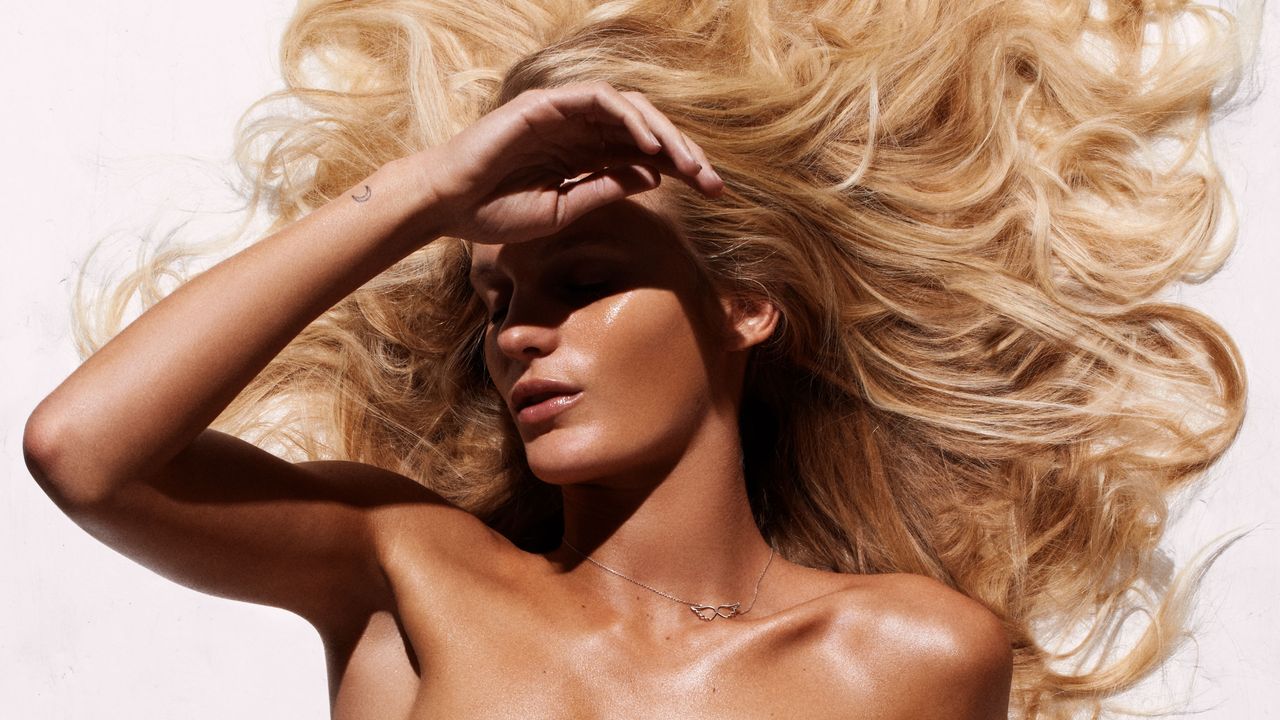
Just do a quick Google search for “Is Sun-In back in style?” Pull out headlines from last month, last year, and the past 10 years. It was recommended by fashion magazines in the 2010s. Your mom probably used it in the 80’s. For me and other older millennials, it was our middle school introduction to 40 volumes of bleach. And now a new generation of UV enthusiasts (perhaps the same ones who are bringing back tanning despite the well-documented risks of skin cancer) are spraying it on or lying back and waiting for the sun to take effect.
According to the Spate Popularity Index, which pulls data from Google searches, TikTok views, and Instagram posts, interest in Sun-In has increased 32% year-over-year, with a further 19% growth predicted over the next 12 months. Searches for skin whitening sprays are up 61% overall, with almost all conversations taking place on Google, indicating purchase intent. Not surprisingly, the most common related search is before and after. People want proof that a product works before committing.
But Sun-In’s modern renaissance begs bigger questions. With the right tools and technology, nearly any beauty goal is achievable, so why is a $4 bottle of drugstore hair tonic still the product we keep asking for, especially when results aren’t guaranteed?
How Sun-In works: The good, the bad, and the orange.
Sun-In is a heat-activated hydrogen peroxide-based spray lightener. Spray, go outside, or use a hair dryer and watch your hair gradually lighten over hours, days, or weeks. An important note is that it usually only works as intended on natural blonde or light brunette hair. If your hair is dark, it probably won’t go blonde. It will probably be red or orange.
“Hair lighteners work by oxidizing melanin. Hydrogen peroxide breaks down melanin in the hair shaft, and heat activates the process,” explains Dr. Isabella Nowak, cosmetic chemist and chair of the Department of Applied Chemistry at Adam Mickiewicz University in Poznań, Poland.
“The orange effect occurs when the pigment is not fully oxidized,” adds Dr. Nowak. “Sun exposure time is important, and so is the initial color. Black hair has more eumelanin, which makes it harder to lift. Full oxidation is less likely to occur, which often results in a warmer reddish pigment rather than a true blonde.”
The ingredient list also includes the citrus limon (lemon) juice, which, in addition to lightening hair on its own, “should help close the hair cuticle after oxidation,” explains Dr. Nowak. Chamomilla recutita (matricaria) flower extract “has a mild lightening effect (on light hair, not dark hair). Here, it’s mainly just adding shine.” It also contains nutrient-rich botanicals such as aloe, calendula, and flaxseed.
It’s worth noting, as Dr. Nowak says, that the “no bleach” claim on the bottle is at best a half-truth. “Hydrogen peroxide is a bleaching agent. Traditional hair dyes are usually combined with alkaline promoters, which are not present in this formula (these open the hair shaft and accelerate dyeing), but hydrogen peroxide itself is also present. This is a classic oxidizing agent. This is not mentioned at all in the product description.”
When trends lead, the market follows. Although the new class of spray lighting has not yet achieved the cult status of Sun-In, the competition is real. Standout products include Sun Bum Blonde Hair Lightener ($17), which has the same hydrogen peroxide base and a blend of pineapple and lemon, and the decidedly peroxide-free Oribe Bright Blonde Sun Lightening Mist ($38). This formula contains a cocktail of lemon, chamomile, fruit oils and botanicals and has added UV protection. “Think of it like adding extra espresso to your coffee to brighten it up,” brand educator Adam Livermore explained at the time of its 2021 launch.