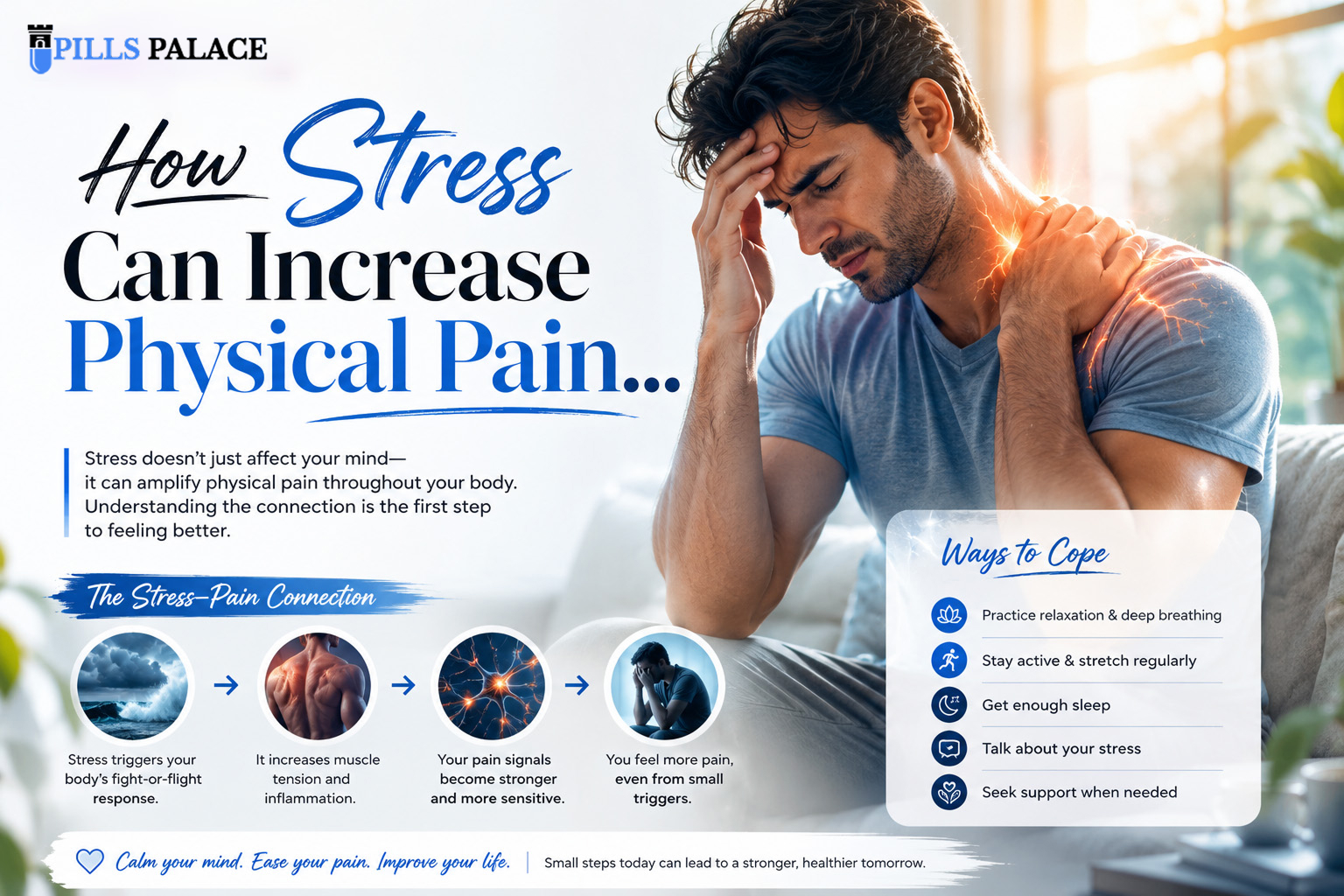
Stress is a natural response to a perceived threat or danger, causing the release of hormones such as adrenaline and cortisol, which prime the body for fight or flight. While stress may be beneficial in the short term, chronic stress can have negative effects on the body, including increasing pain. This article explores the relationship between stress and physical pain and discusses ways to manage stress and reduce discomfort.
The relationship between stress and physical pain
Research shows that stress can worsen existing pain and even contribute to the development of new pain conditions. This is because stress affects the body’s physiological response to pain, making it more sensitive to painful stimuli. Experiencing stress triggers the body’s “fight or flight” response, which causes the release of stress hormones such as cortisol and adrenaline. These hormones can increase muscle tension, heart rate, and blood pressure, all of which can contribute to physical pain.
Additionally, stress can affect how the brain processes pain signals. When under stress, our brains become more alert and more aware of the sensation of pain. This can create a vicious cycle where stress increases pain and pain increases stress.
How stress affects the body’s physiological response to pain
Stress can affect the body’s physiological response to pain in many ways, including:
Increased muscle tension: Stress can cause your muscles to tense up, causing pain and stiffness in your neck, back, and other areas. Increased inflammation: Stress causes the release of pro-inflammatory chemicals, which can contribute to pain and inflammation in the body. Disrupted sleep patterns: Stress disrupts your sleep patterns, which can lead to fatigue and increased sensitivity to pain. Changes in gut function: Stress affects the gut-brain axis, leading to changes in the digestion and absorption of nutrients, which can contribute to pain and inflammation.
Types of pain caused by stress
Stress can worsen a variety of pain conditions, including:
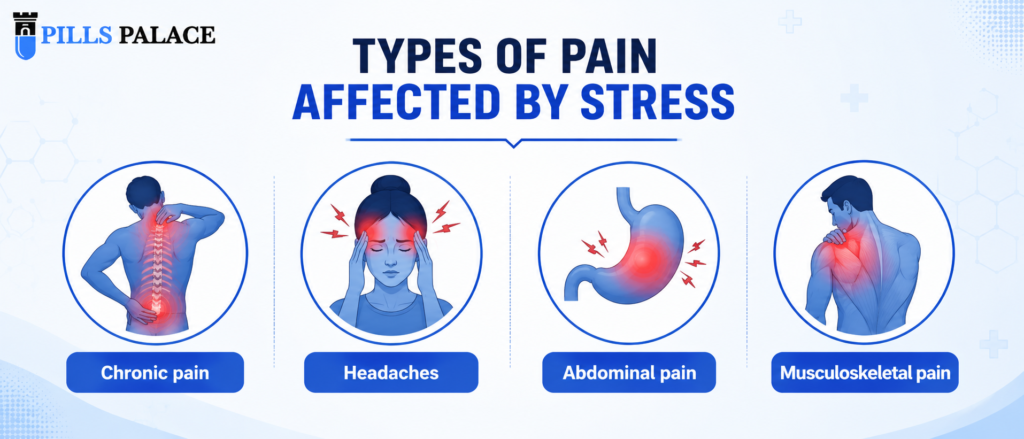
Chronic pain: Stress can worsen chronic pain conditions such as fibromyalgia, arthritis, and lower back pain. Headaches: Stress is a common trigger for headaches, including tension-type headaches and migraines. Abdominal pain: Stress can cause abdominal pain in conditions such as irritable bowel syndrome (IBS) and inflammatory bowel disease (IBD). Musculoskeletal pain: Stress can worsen musculoskeletal pain conditions such as tendonitis, bursitis, and osteoarthritis.
How to manage stress and reduce physical pain
Fortunately, there are many effective ways to manage stress and reduce pain in your body.
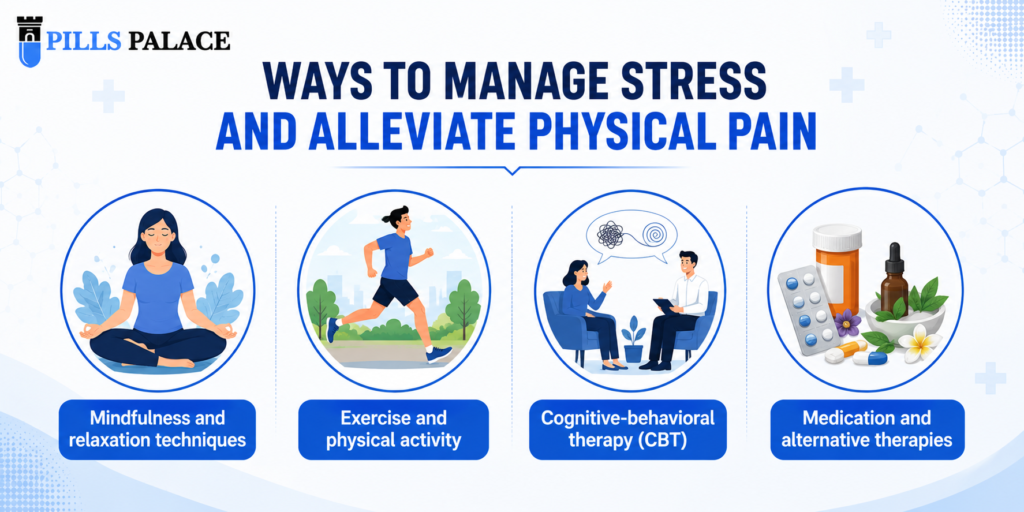
Mindfulness and relaxation techniques: Practices such as meditation, yoga, and deep breathing can help reduce stress and promote relaxation. Exercise and physical activity: Regular exercise reduces stress and improves mood, while also improving physical function and reducing pain. Cognitive behavioral therapy (CBT): CBT helps individuals identify and change negative thought patterns and behaviors that cause stress and pain. Medications and alternative treatments: In some cases, medications or alternative treatments such as acupuncture or massage may be needed to manage stress and pain.
Recommendations
Based on the information provided, we recommend the following:
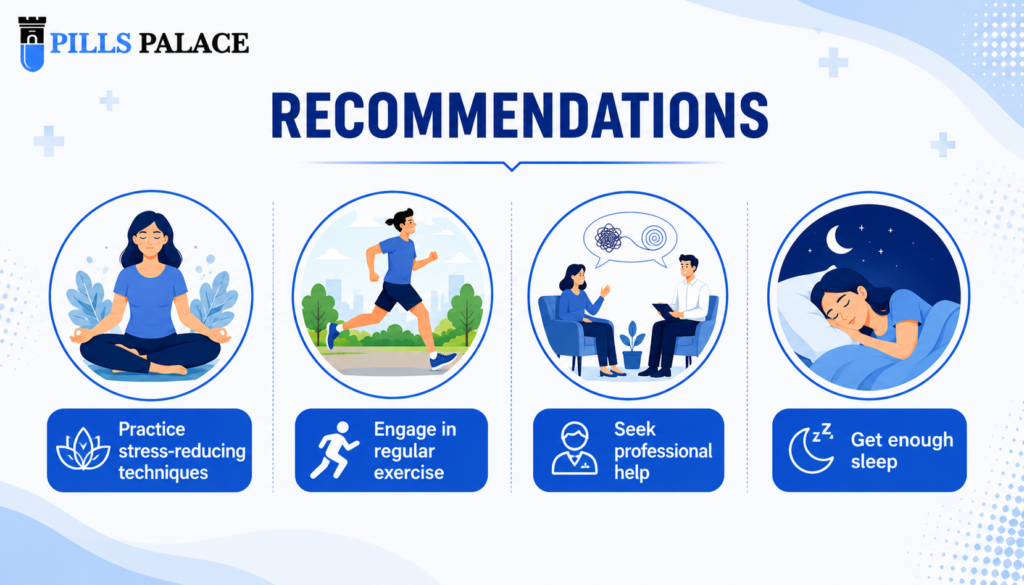
Practice stress-reduction techniques: Regularly engage in mindfulness and relaxation practices, such as meditation, yoga, and deep breathing exercises. Participate in regular exercise: Aim for at least 30 minutes of moderate-intensity exercise per day to reduce stress and improve your mood. Seek professional help: If you are experiencing chronic pain or stress, consult a medical professional to develop a personalized treatment plan. Get enough sleep: Aim for 7 to 9 hours of sleep each night to help regulate your stress and pain responses.
By following these recommendations and taking a proactive approach to managing stress and pain, individuals can improve their overall health and well-being.
additional resources
For more information on managing stress and physical pain, check out these resources:
Mayo Clinic WebMD Centers for Disease Control and Prevention (CDC)
We hope this article has provided valuable information about the relationship between stress and physical pain. Remember that managing stress and pain is a journey, and it’s okay to take it one step at a time.
conclusion
In conclusion, stress can have a significant impact on physical pain, exacerbating existing pain conditions and contributing to the development of new pain. Understanding the relationship between stress and physical pain allows individuals to take steps to manage stress and reduce discomfort. This may include practicing mindfulness and relaxation techniques, participating in regular exercise or physical activity, seeking cognitive behavioral therapy, and considering medication or alternative treatments. By taking a comprehensive approach to managing stress and pain, individuals can improve their overall quality of life and reduce their risk of chronic pain. For more health insights and trusted wellness information, visit pillspalace.
Remember that stress is a natural part of life, but it doesn’t have to control our lives. By taking proactive steps to manage stress and reduce physical pain, we can take back control and live healthier, happier lives.